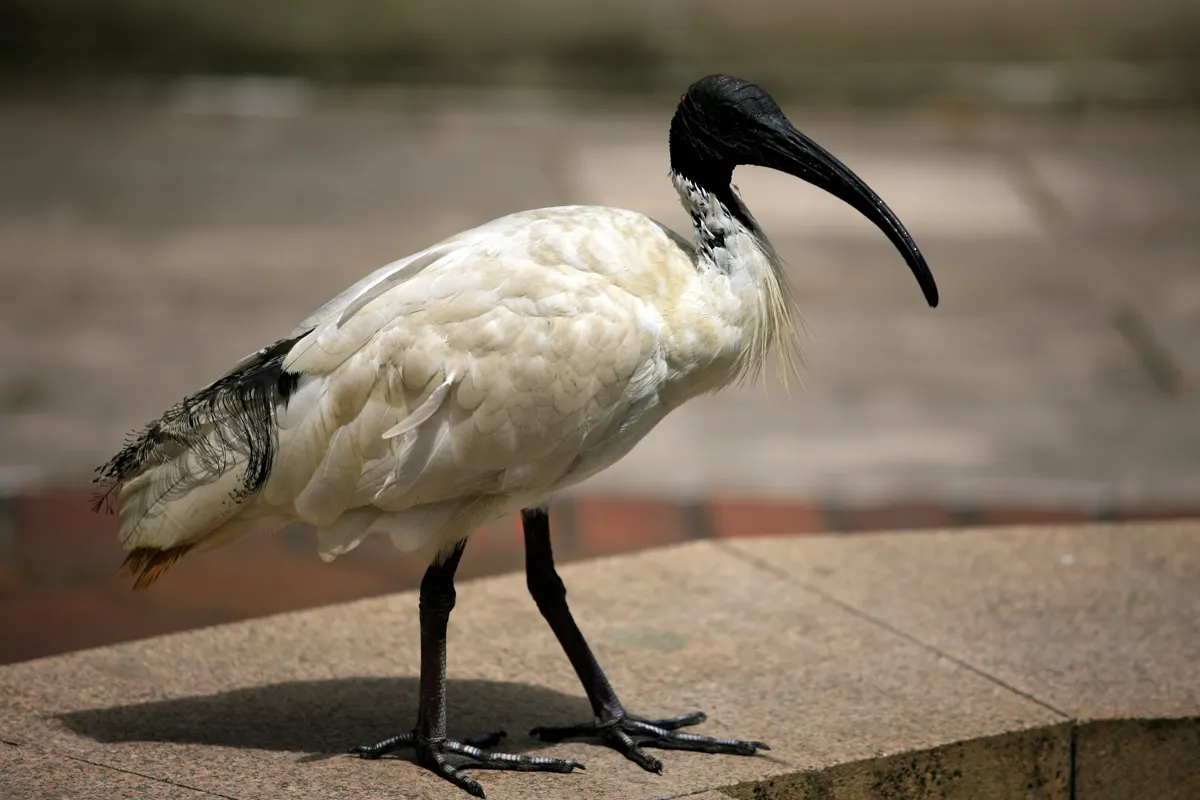
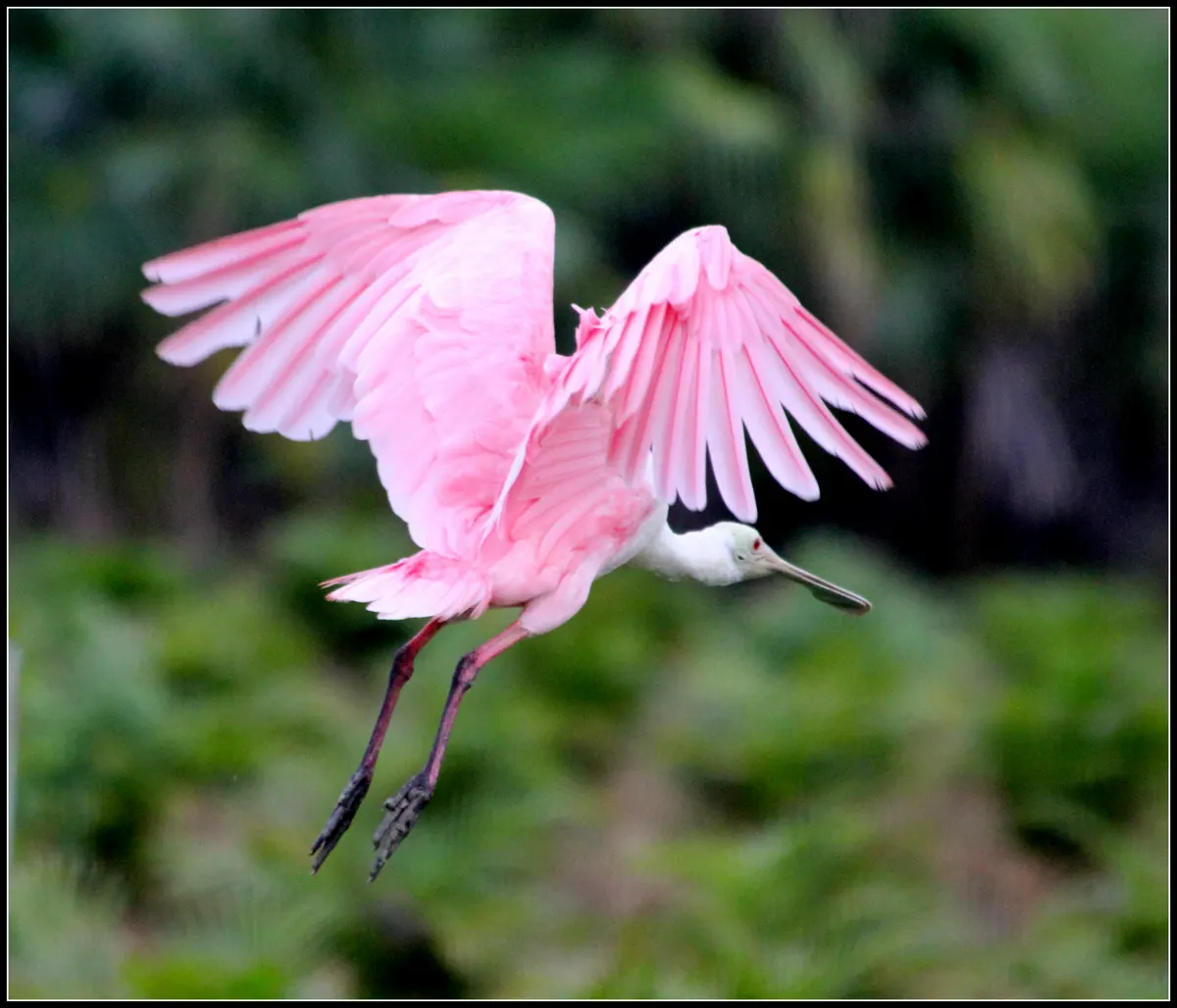
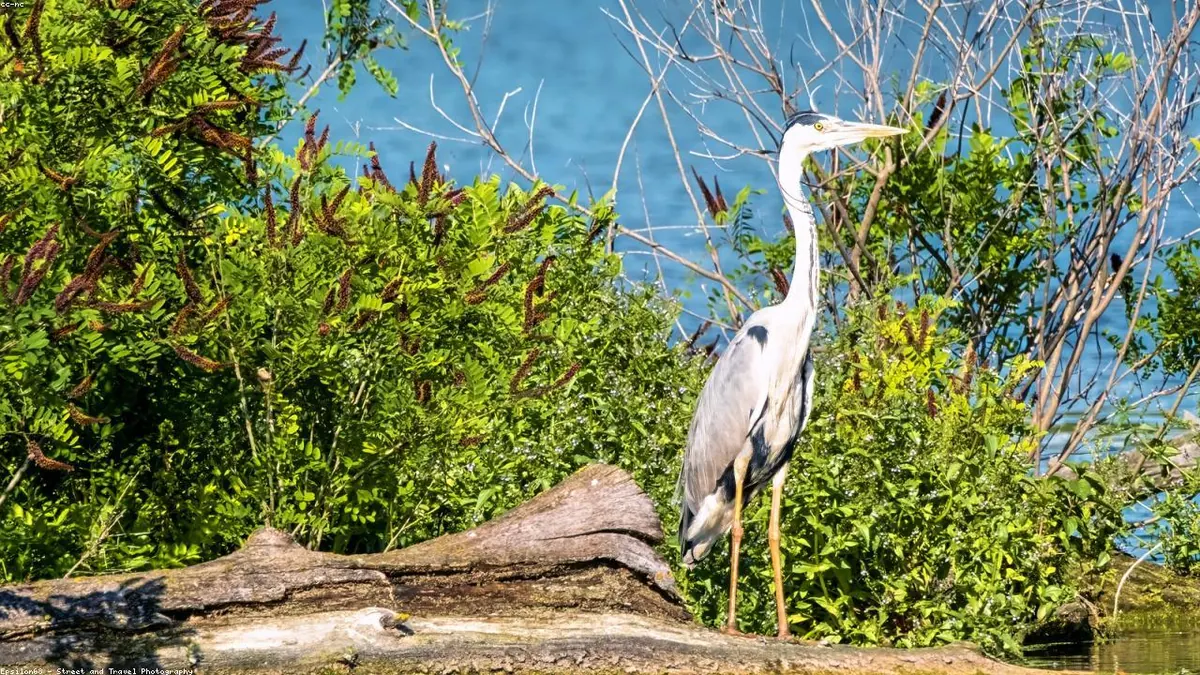
Ibises use long curved bills to probe mud, grass, and shallow water for invertebrates and small prey. Many ibises fly in flocks between wetlands and feeding grounds. Wetlands combine land and water resources, making them rich feeding zones for adaptable species.
Conservation
Status and habitat pressure
Stable populations still depend on habitat quality, food availability, and low human pressure. Protecting ibis also depends on keeping wetland, grassland habitats healthy and connected.
Common species still depend on habitat quality, clean water, food webs, and low disturbance.
Quick Facts
Things to notice
Many ibises fly in flocks between wetlands and feeding grounds.
Many birds rely on sharp vision and route memory to navigate long distances.
Wetlands combine land and water resources, making them rich feeding zones for adaptable species.
Stable populations still depend on habitat quality, food availability, and low human pressure.