48,600+
species currently threatened with extinction
IUCN Red List 2025-2 context
🔴 More than 48,600 species are currently threatened with extinction. That number grows every year.
Explore the list ↓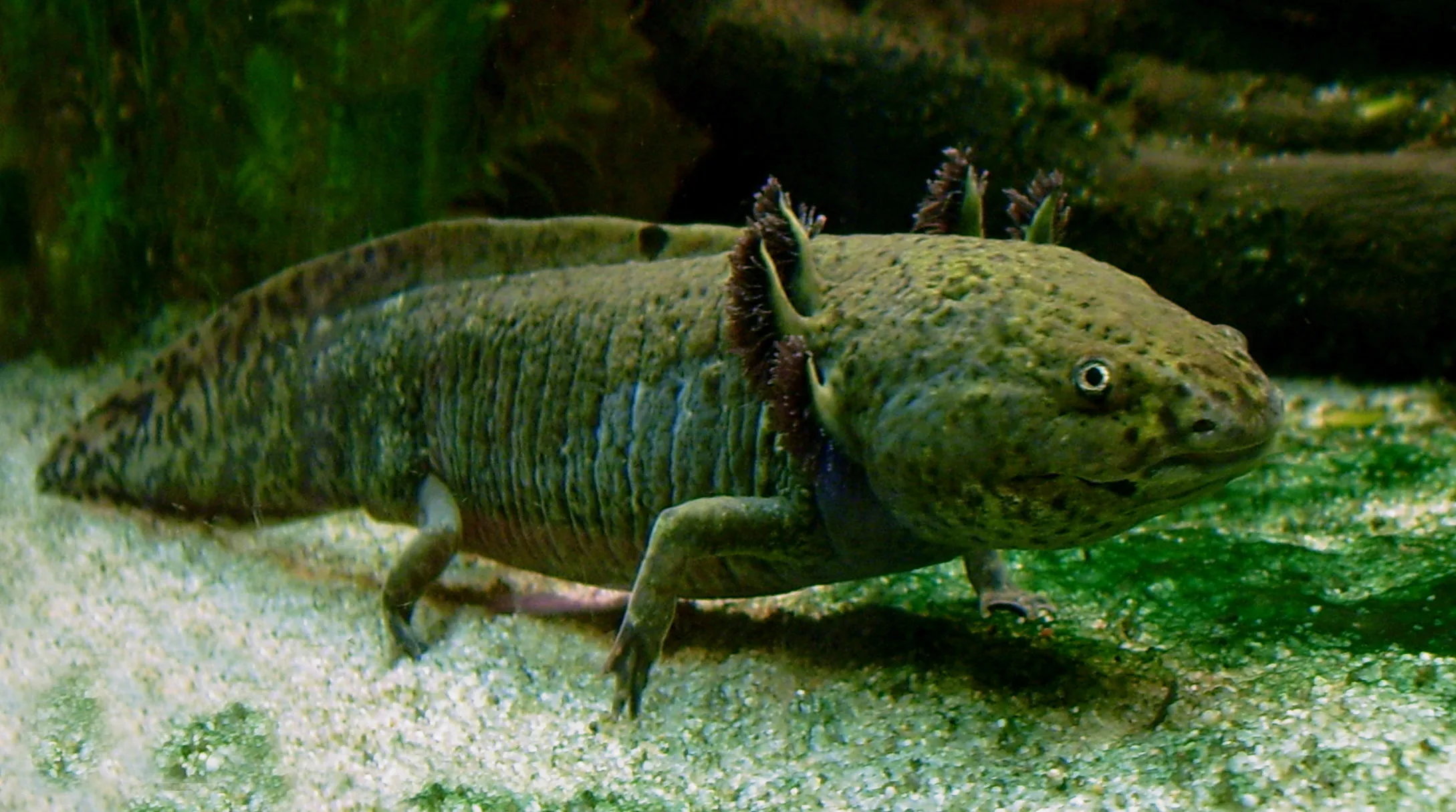
A living archive
📊 48,600+ species threatened
🔴 10,774 Critically Endangered
📅 Data: IUCN Red List 2025
Local explorer currently surfaces 147 species from this site's structured animal database.
Data Snapshot
48,600+
species currently threatened with extinction
IUCN Red List 2025-2 context
41%
of all amphibian species are at risk
IUCN Red List
38%
of sharks and rays face extinction
IUCN Red List
1 in 3
US wildlife species at risk of extinction
IFAW / US conservation context
These aren't just statistics. Each number is a species with a habitat, a behavior, a role in its ecosystem — and a shrinking chance of survival.
Endangered Animals Explorer
Filter by threat level, habitat, or animal type. Every result links to a full species profile.
Threat Level
Habitat
Animal Type
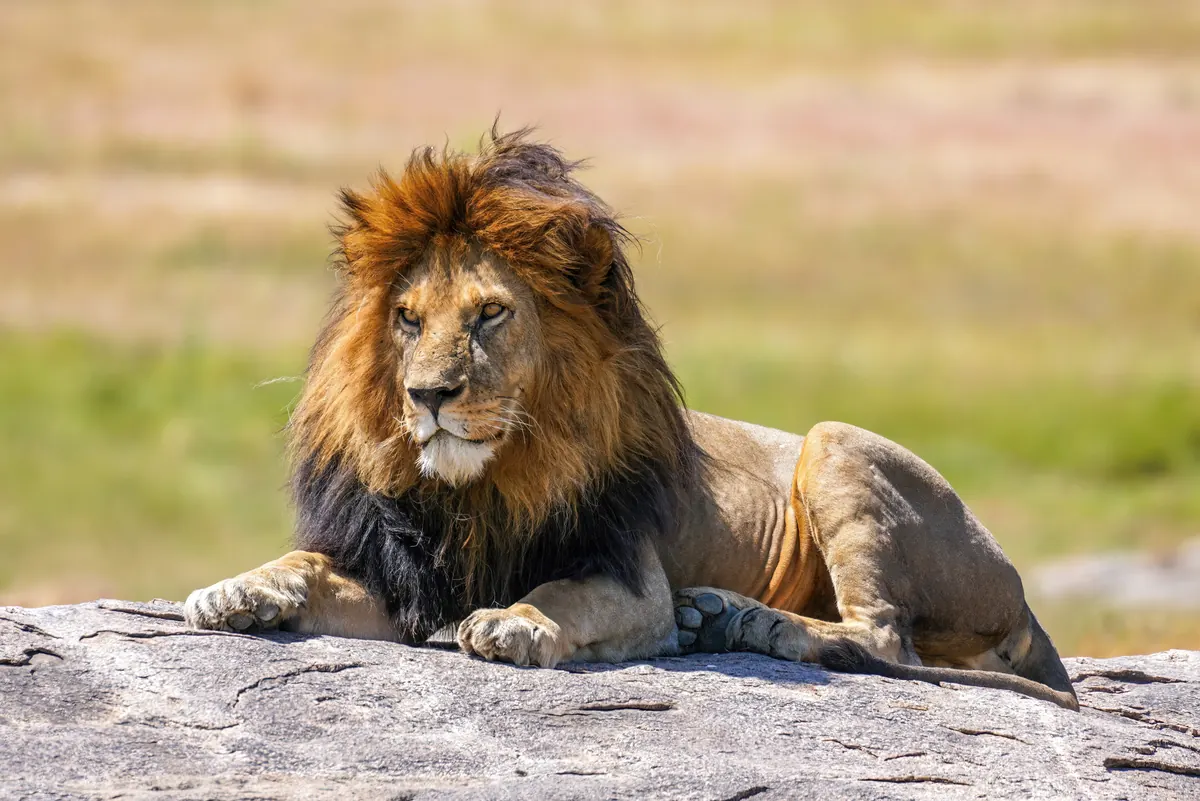
Big cats need connected land, prey, and room to return.
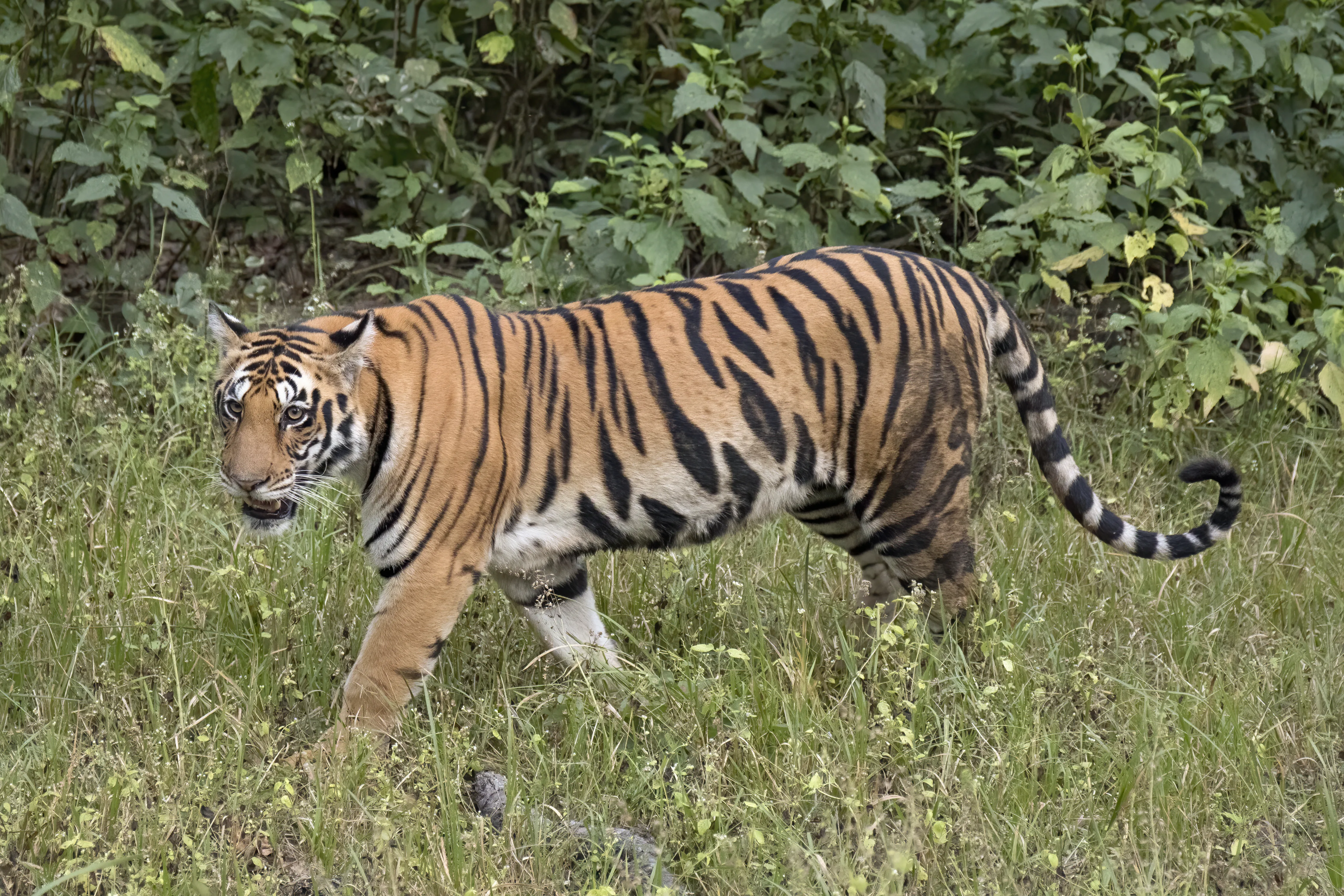
Fewer safe corridors mean every breeding territory matters.
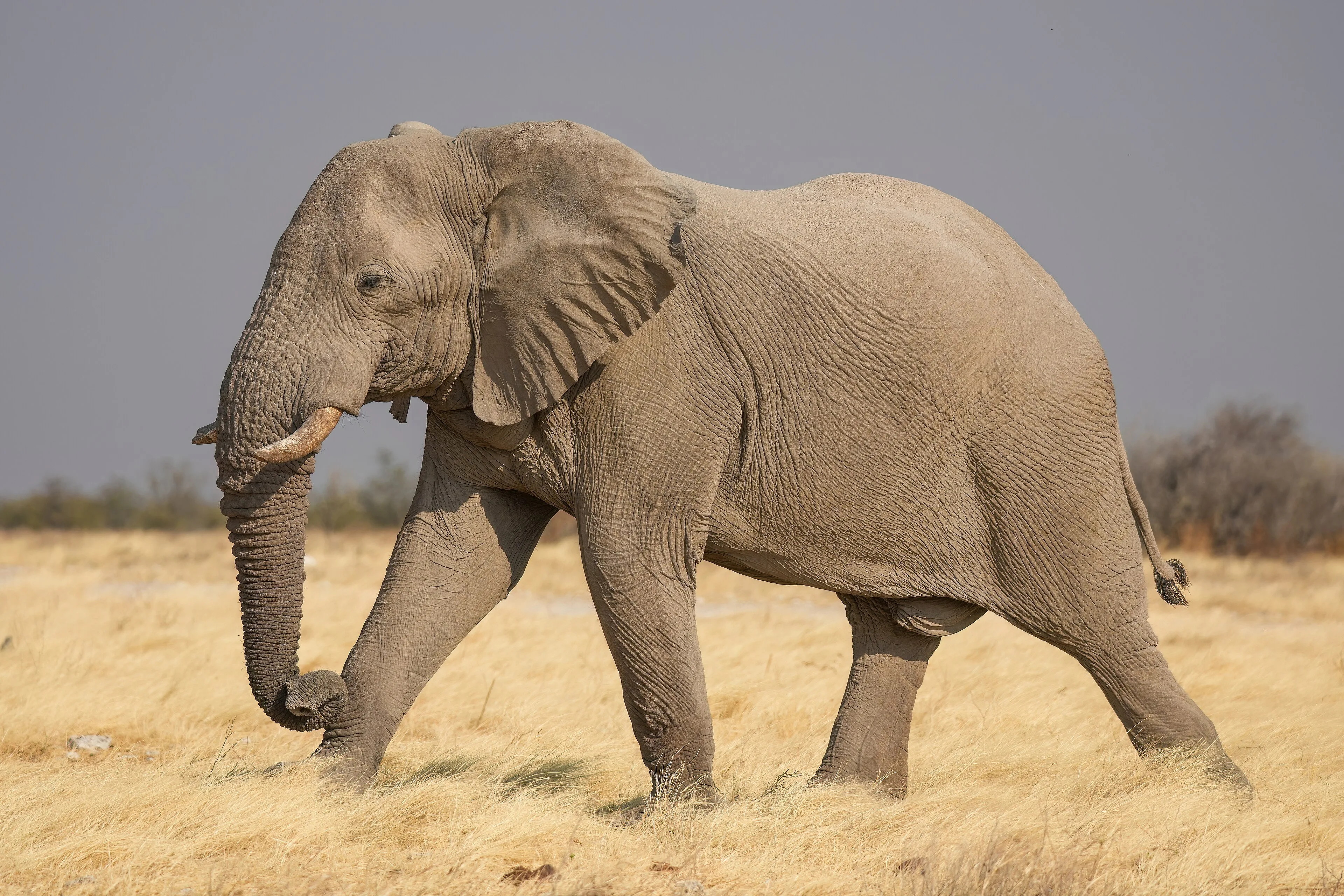
Ivory pressure and shrinking corridors still shape their future.
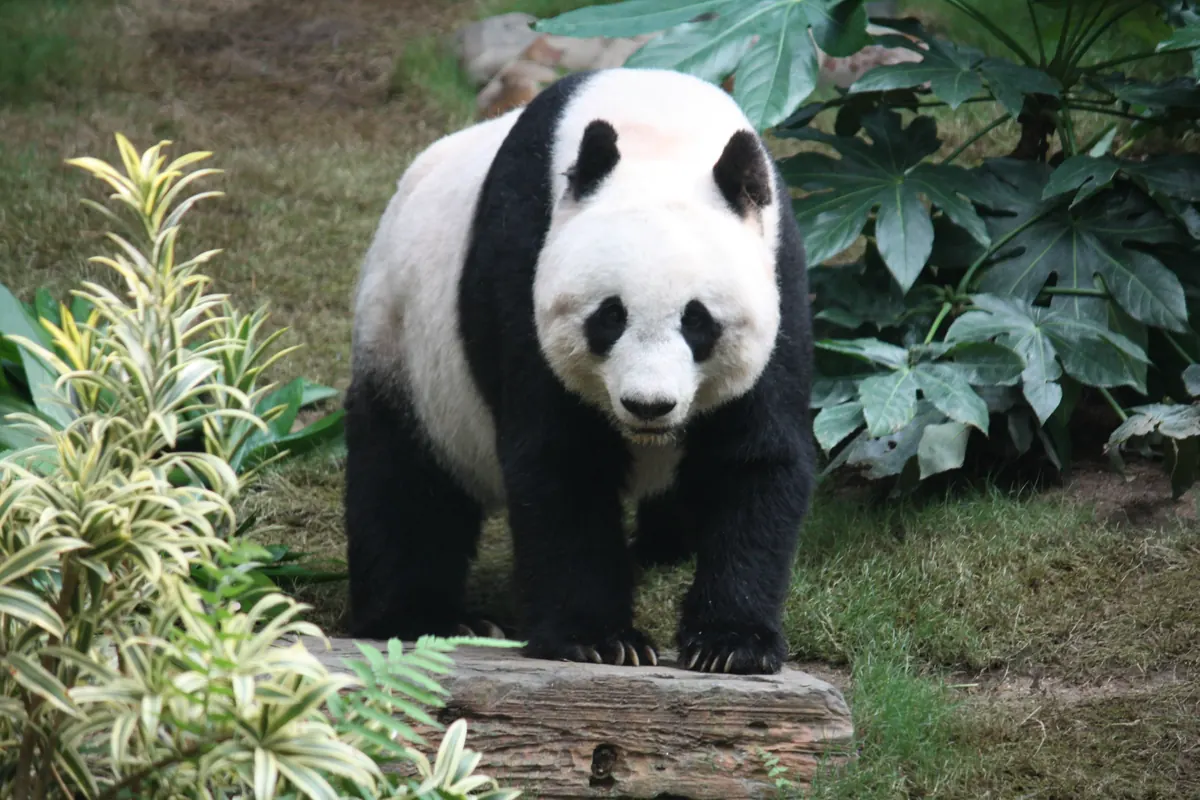
Recovery is real, but bamboo forests still need protection.
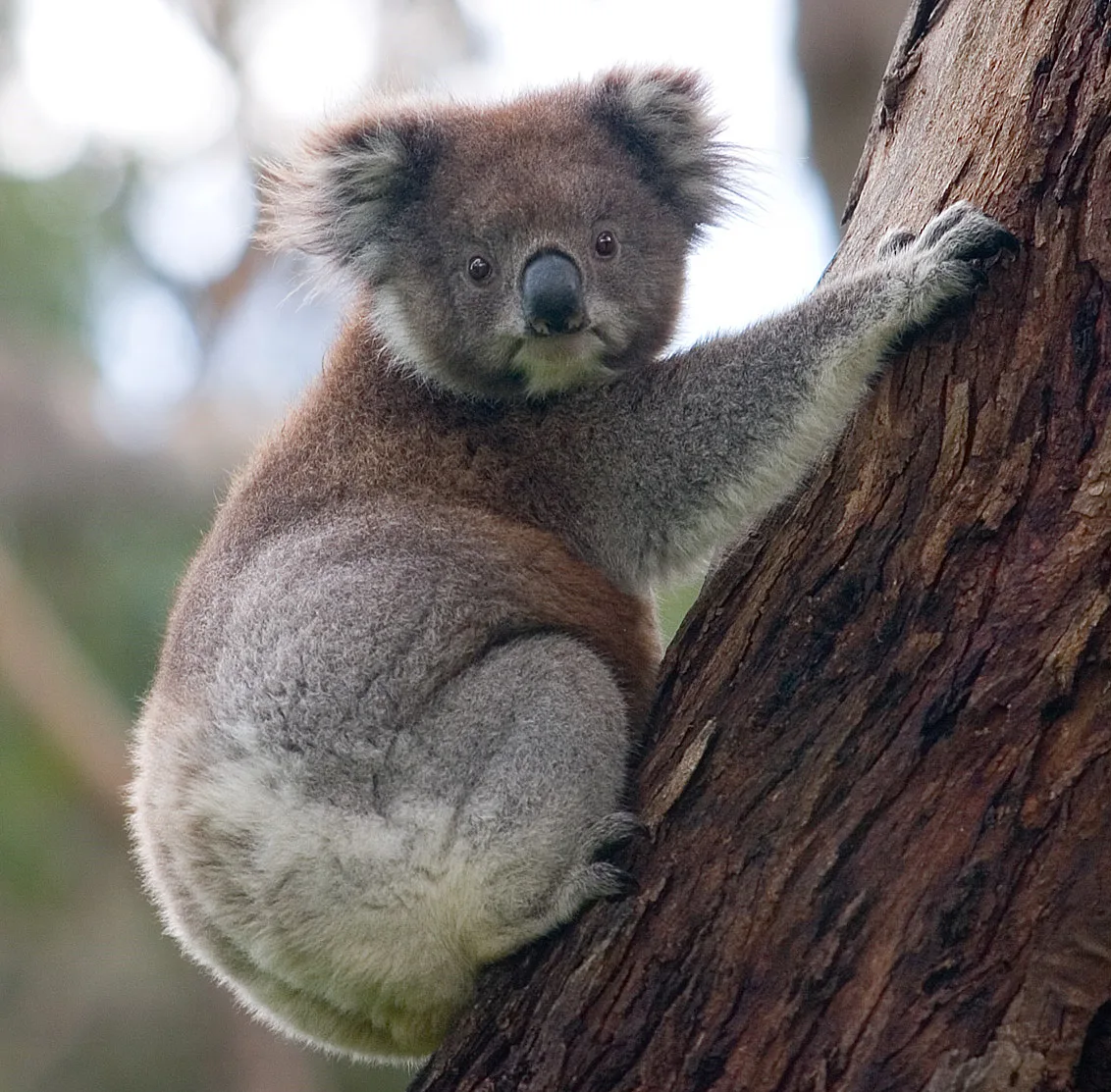
Fire, roads, and lost eucalyptus forests keep tightening the map.
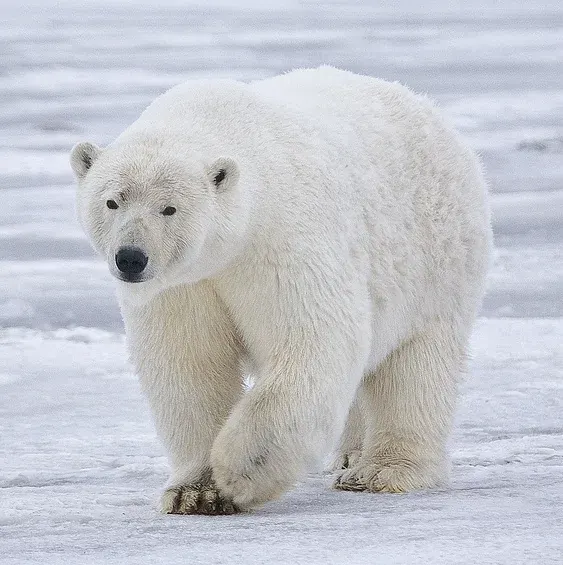
Sea ice loss turns hunting time into a countdown.
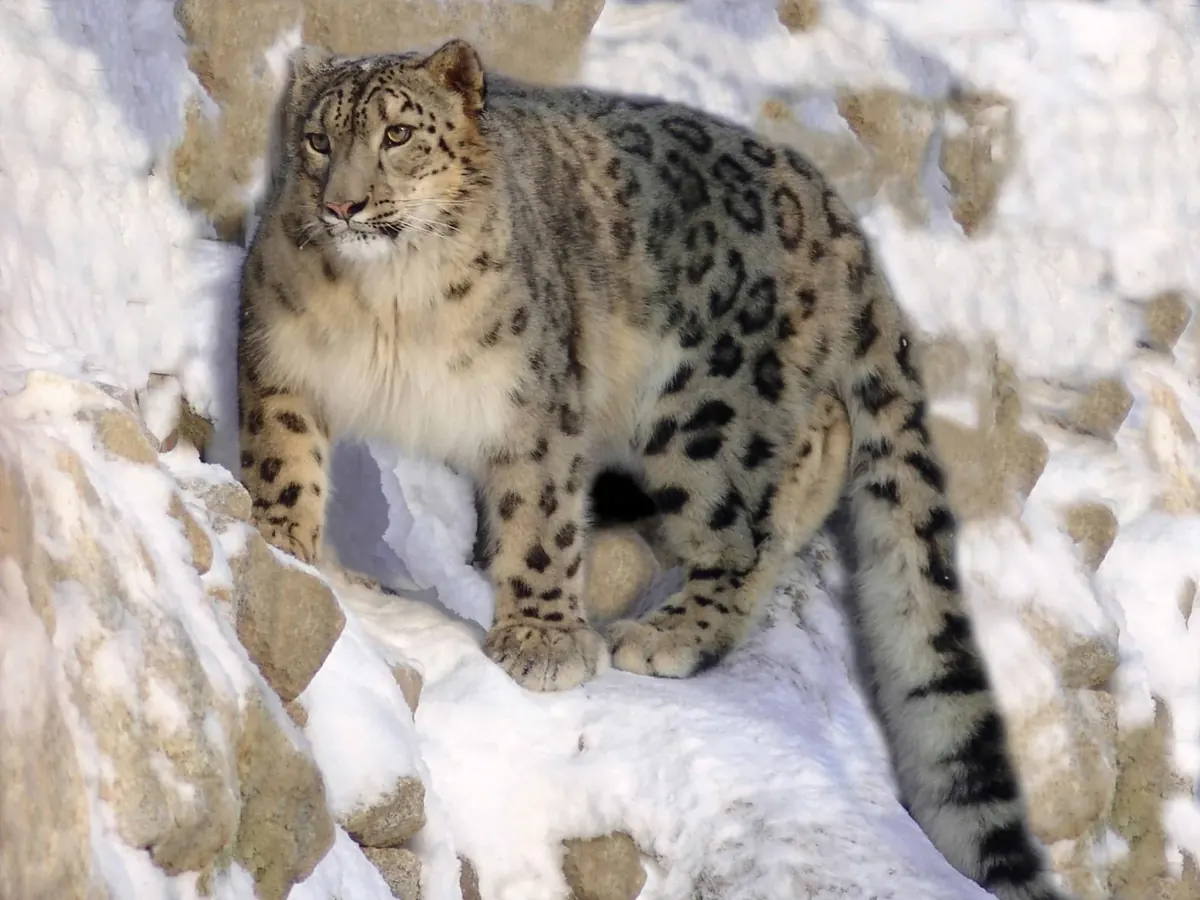
Mountain ghosts survive where people and prey can coexist.
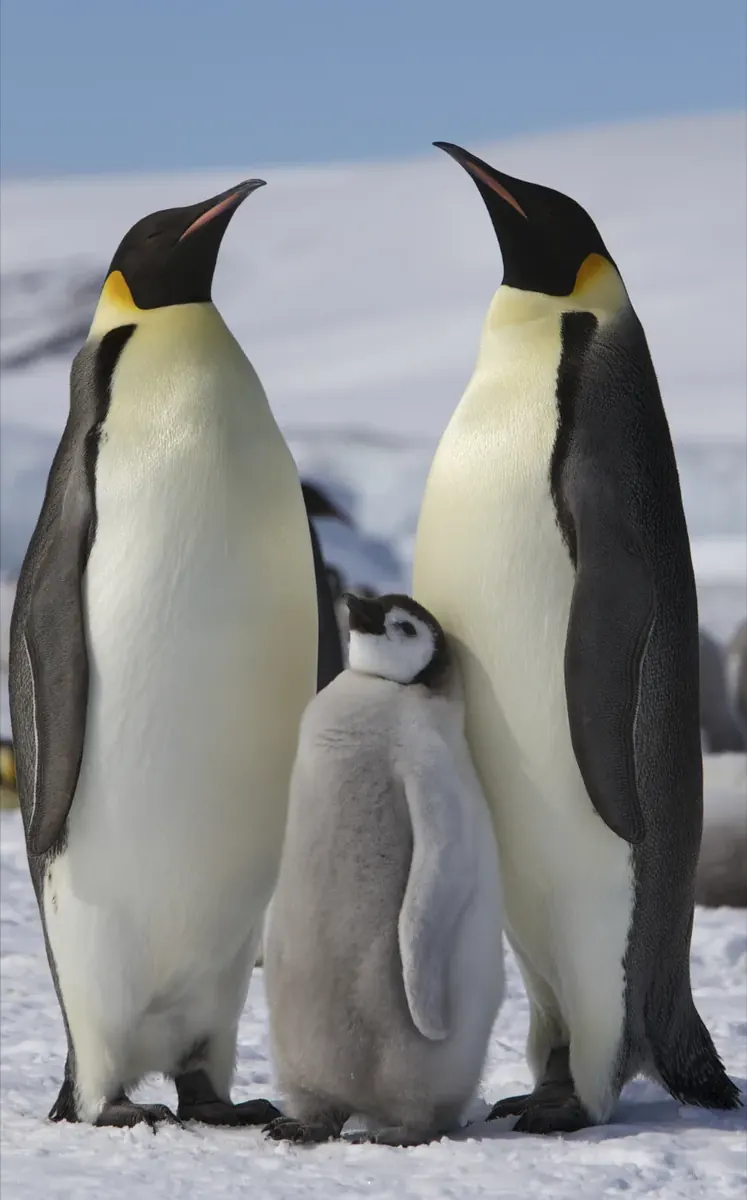
Warming seas are moving the food beneath their feet.
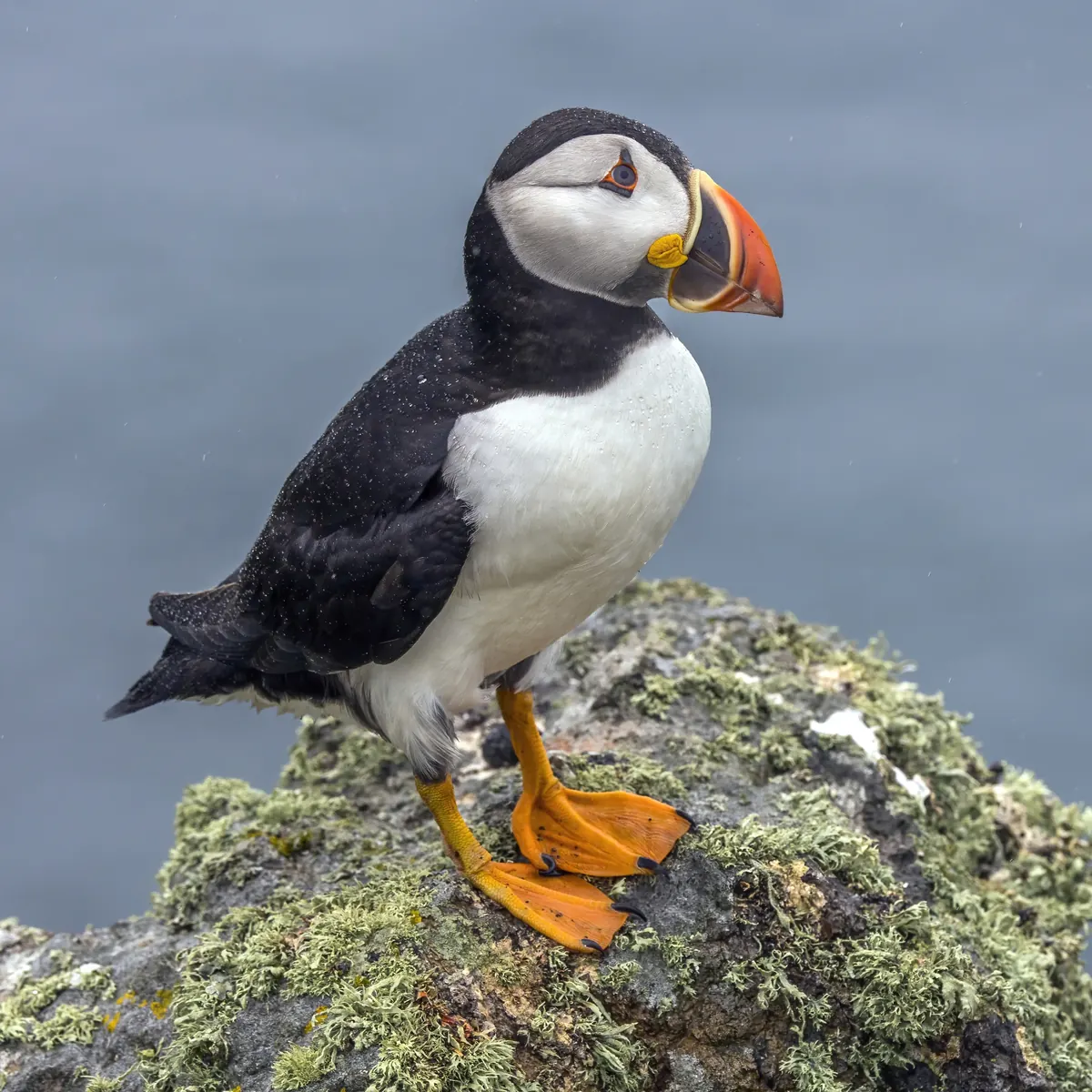
Cliff colonies depend on healthy oceans full of small fish.
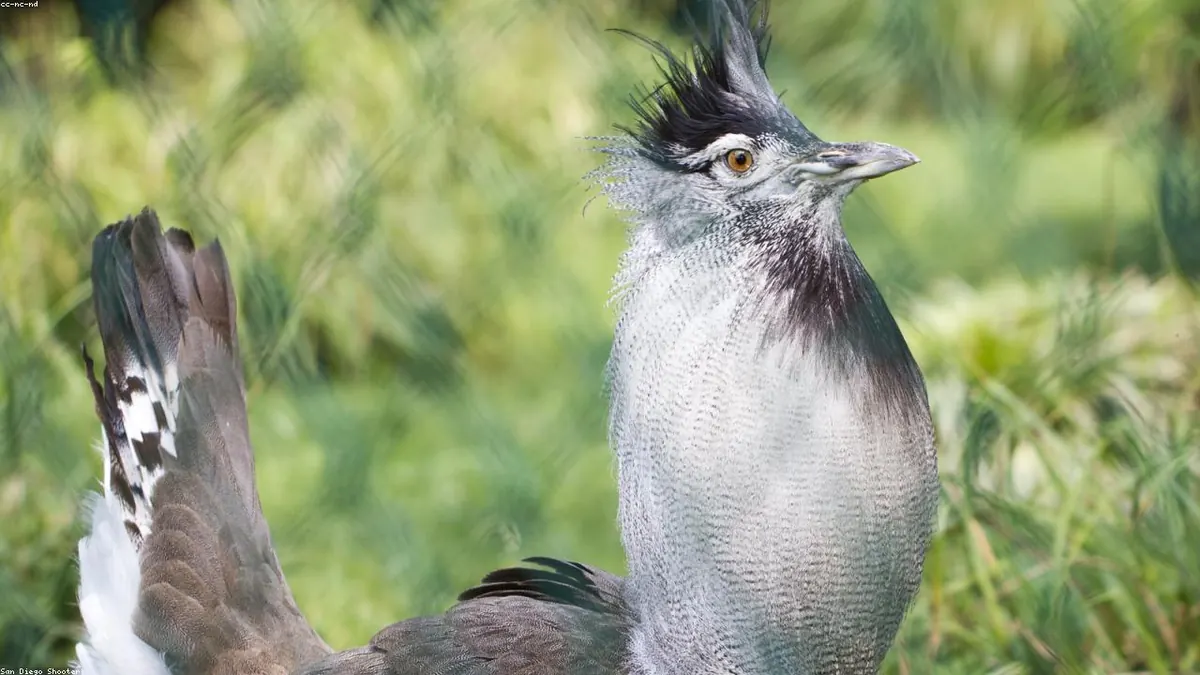
This species still has a path forward, but the margin is narrowing.
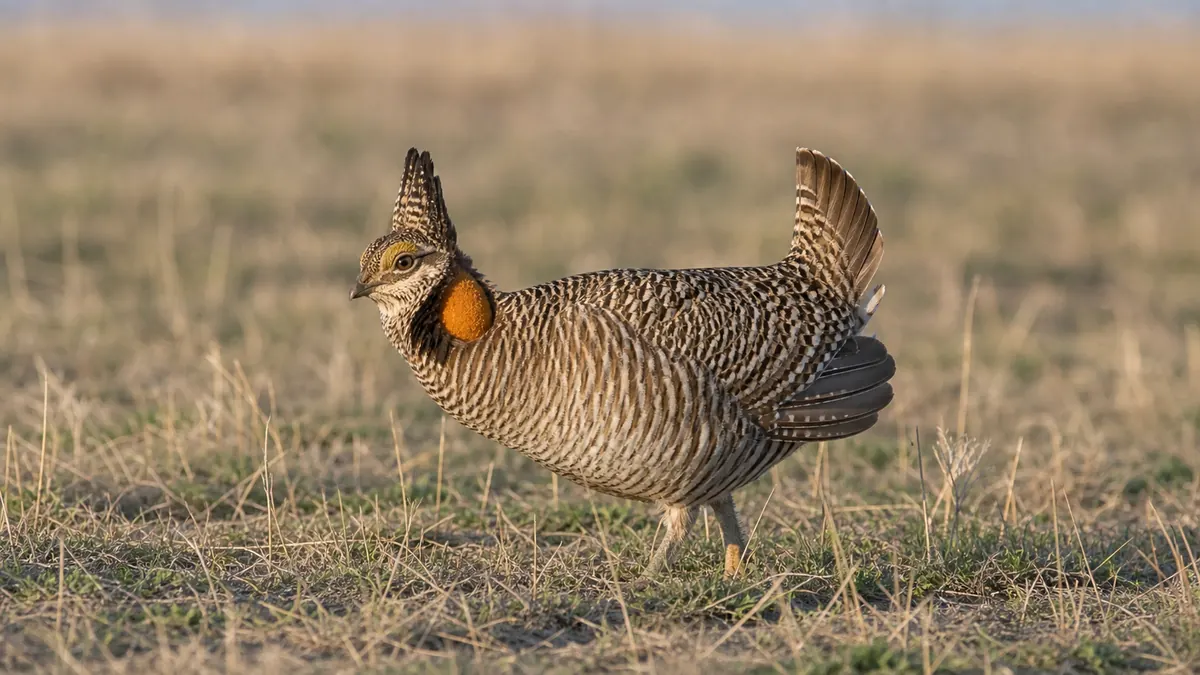
This species still has a path forward, but the margin is narrowing.
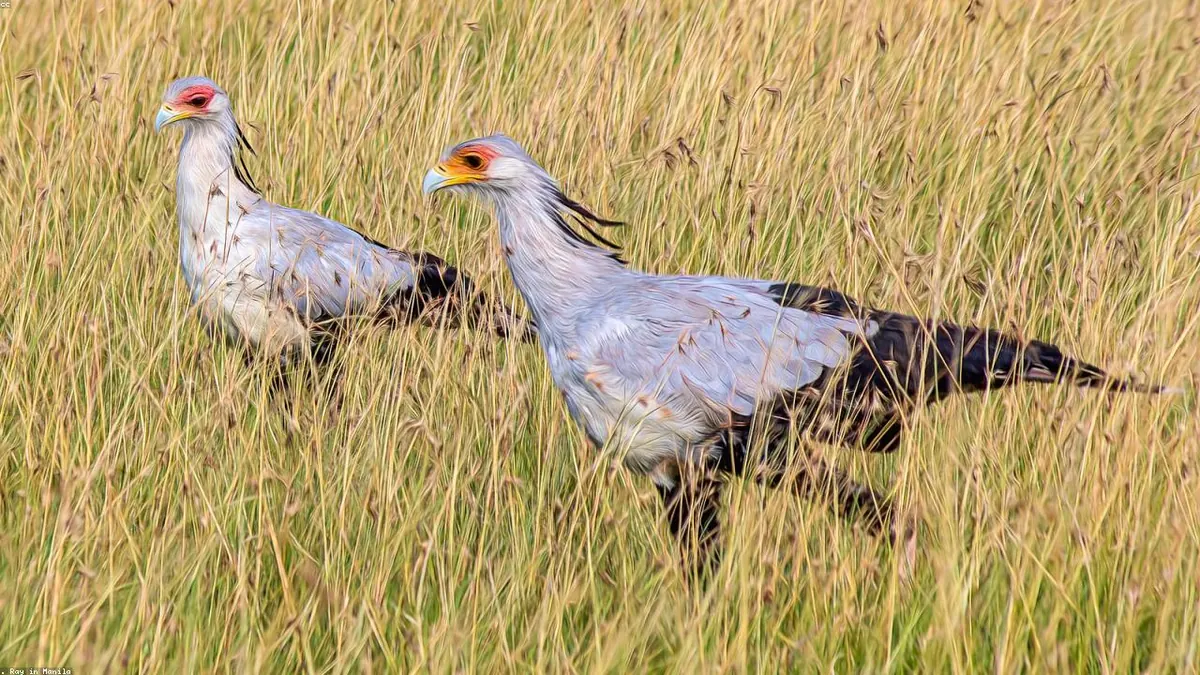
This species still has a path forward, but the margin is narrowing.
Featured Species
Six animals. Six stories. All of them still fighting.
Panthera tigris
Population Clock
Wild tigers: about 5,500
~5% of historic or safe baseline
Tigers keep prey populations in balance and protect the forests around them by needing space.
Loxodonta africana
Population Clock
African savanna elephants: about 415,000
~28% of historic or safe baseline
Elephants open paths, disperse seeds, and create water access other species use.
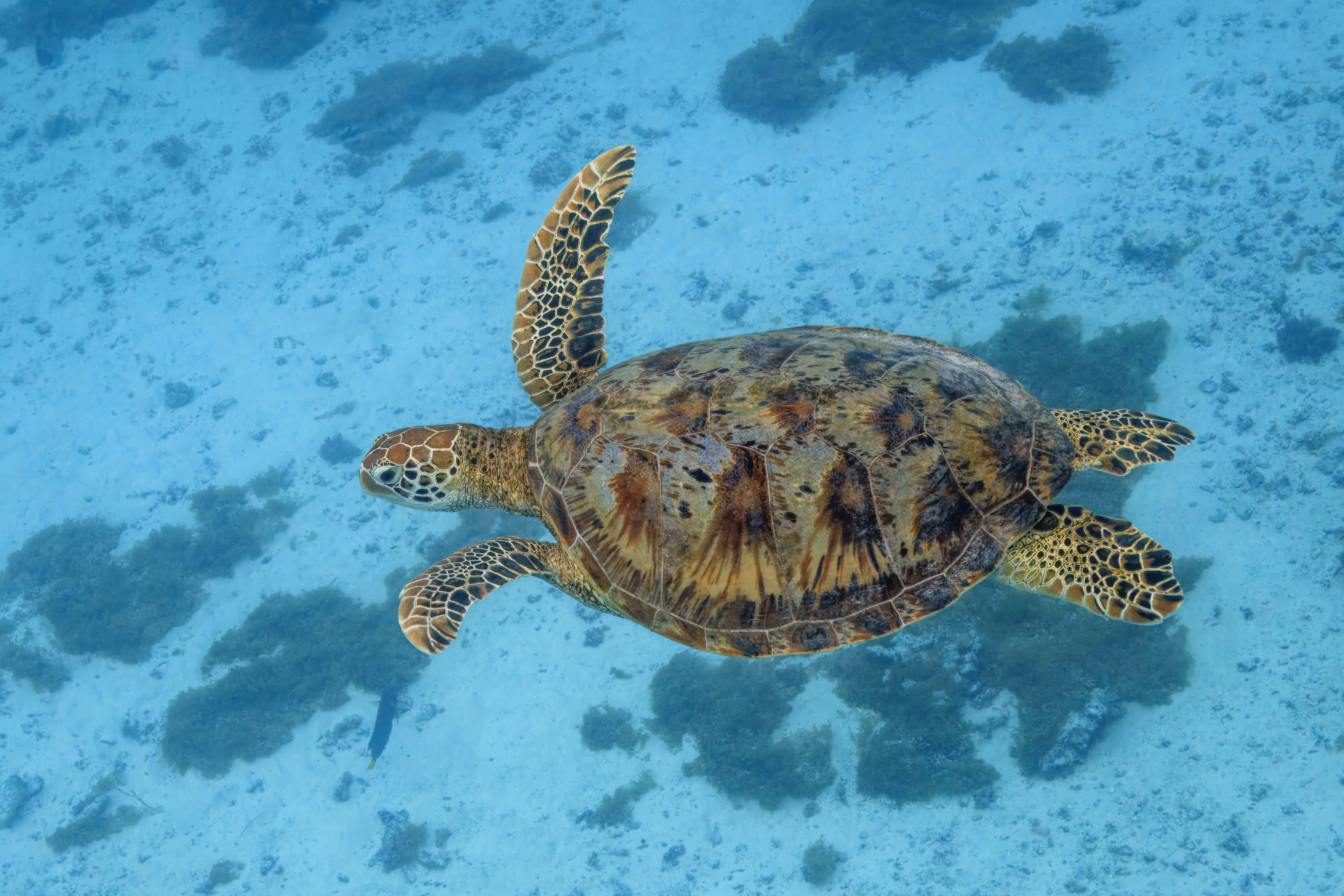
Cheloniidae
Population Clock
Nesting beaches: still declining in key regions
~18% of historic or safe baseline
Sea turtles move nutrients between ocean feeding grounds and coastal nesting systems.
Ambystoma mexicanum
Population Clock
Wild axolotls: often estimated below 1,000
~2% of historic or safe baseline
Axolotls are a living signal of whether Xochimilco's freshwater canals can recover.
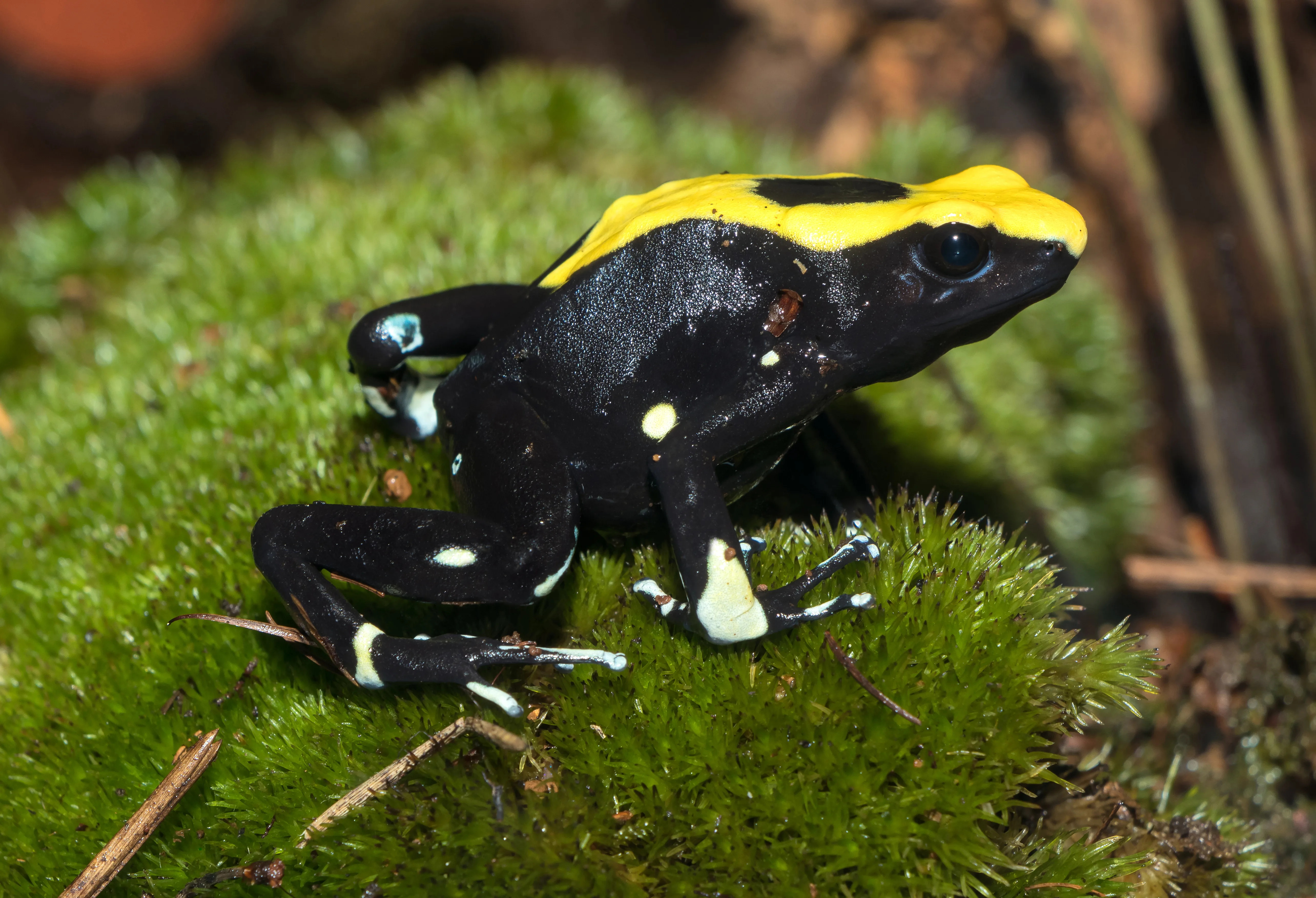
Dendrobatidae
Population Clock
Rainforest range: fragmented by forest loss
~16% of historic or safe baseline
Small frogs help control insects and reveal stress in humid forest systems.
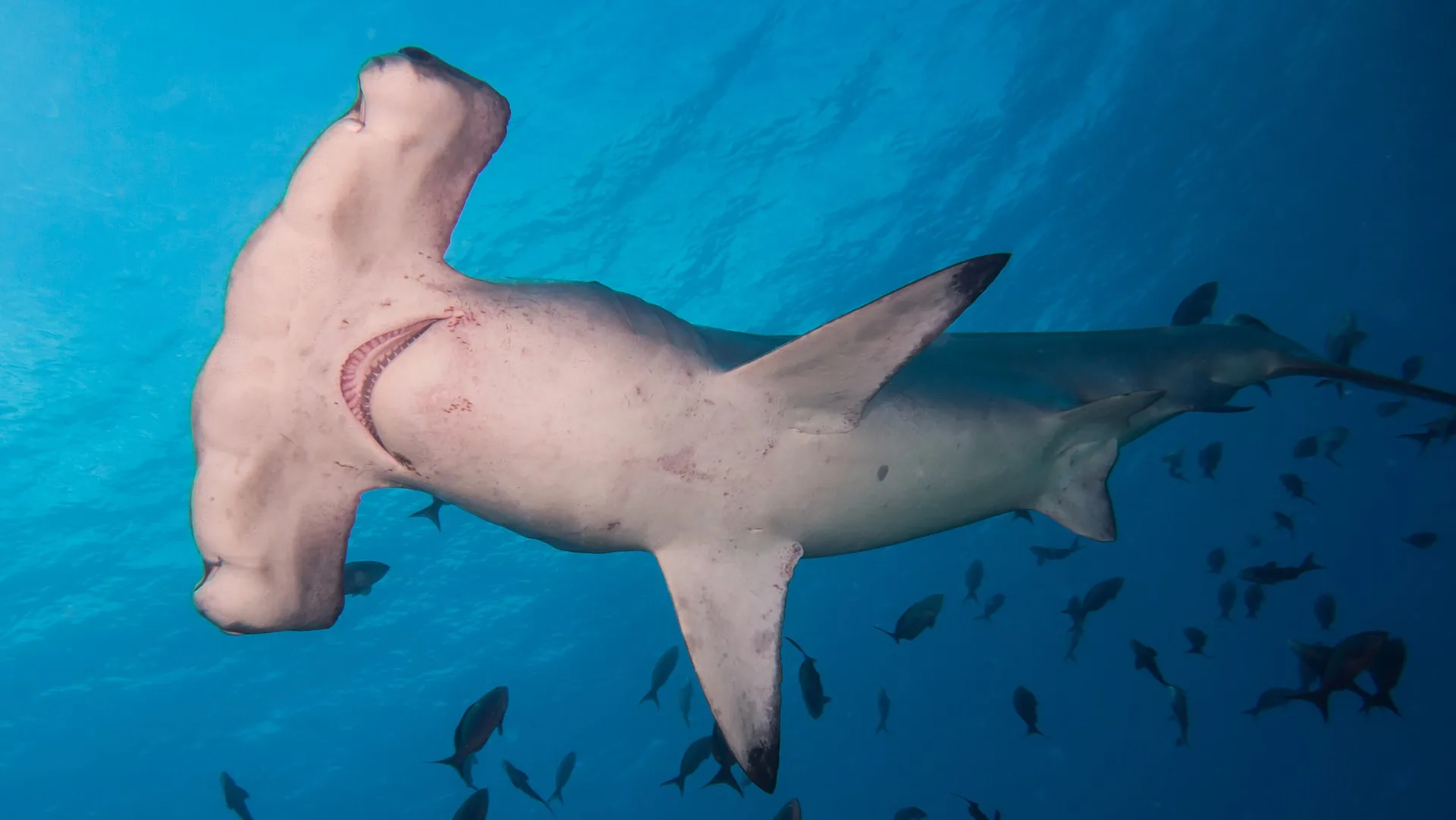
Sphyrnidae
Population Clock
Scalloped hammerheads: severely depleted in many regions
~12% of historic or safe baseline
Large sharks help structure marine food webs by shaping predator and prey behavior.
Drivers
Farms, roads, cities, logging, and fragmented land remain the largest direct pressure for many threatened species.
Heat, fire, drought, warming seas, and shifting food webs push species outside the conditions they evolved for.
Ivory, horns, skins, fins, and exotic-pet demand can remove breeding adults faster than populations recover.
Introduced predators, competitors, and diseases can reshape isolated habitats before native species can adapt.
Chemicals, plastics, light, noise, and dirty water hit amphibians and marine animals especially hard.
When populations become too small, inbreeding and low genetic diversity can make recovery harder.
Conservation Wins
Conservation works. These species are proof.
The bald eagle fell to 417 known nesting pairs in the lower 48 states in 1963. Legal protection, habitat work, and the DDT ban changed the curve.
Removed from the US endangered species list in 2007.
🎲 Generate a Conservation Success StoryFocused protection, disentanglement, and pup survival work helped stabilize a species that once seemed to be slipping away.
Population is now often reported around 1,570.
🎲 Generate a Conservation Success StoryCaptive breeding and reintroduction gave a small, overlooked insect a second chance in places it had disappeared from.
Zoo-led programs have released thousands since 2012.
🎲 Generate a Conservation Success StoryDiscover More
Every click surfaces a different species you've probably never heard of.
Generate Now →Hybrid Imagination
Explore hybrid concepts that imagine what conservation-inspired creatures might look like.
Try the hybrid animal generator →FAQ
The IUCN Red List 2025-1 update reported 47,187 threatened species across all assessed groups. The page uses the 48,600+ figure requested for 2025-2 context and labels it as a rounded threatened-species number, not a live API count.
There is no single permanent answer because species are reassessed. The Amur leopard is often cited among the most endangered big cats, while animals such as the vaquita and Javan rhino are also frequently highlighted because their wild populations are extremely small.
On the IUCN scale, Vulnerable, Endangered, and Critically Endangered are all threatened categories. Endangered means a species faces a very high extinction risk in the wild; Critically Endangered means that risk is extremely high.
Recent extinction and possibly extinct assessments change as evidence is reviewed. IUCN updates should be checked directly before publishing a definitive year-by-year list, because species can move between Extinct, Extinct in the Wild, and possibly extinct flags as new surveys are completed.
Habitat loss and degradation are the most common broad drivers across many groups. They often interact with climate change, pollution, invasive species, overharvesting, and illegal trade rather than acting alone.
Yes. Bald eagles, Hawaiian monk seals, giant pandas, and several reintroduced species show that protection can work when habitat, law, science, and long-term funding line up.
Protect habitat where you live, reduce plastic and pesticide pressure, choose sustainable seafood and products, support credible conservation groups, and learn about species beyond the famous few by using the random animal generator.
Sources used for context and quarterly review
Local database counts: 95 vulnerable · 37 endangered · 15 critically endangered.