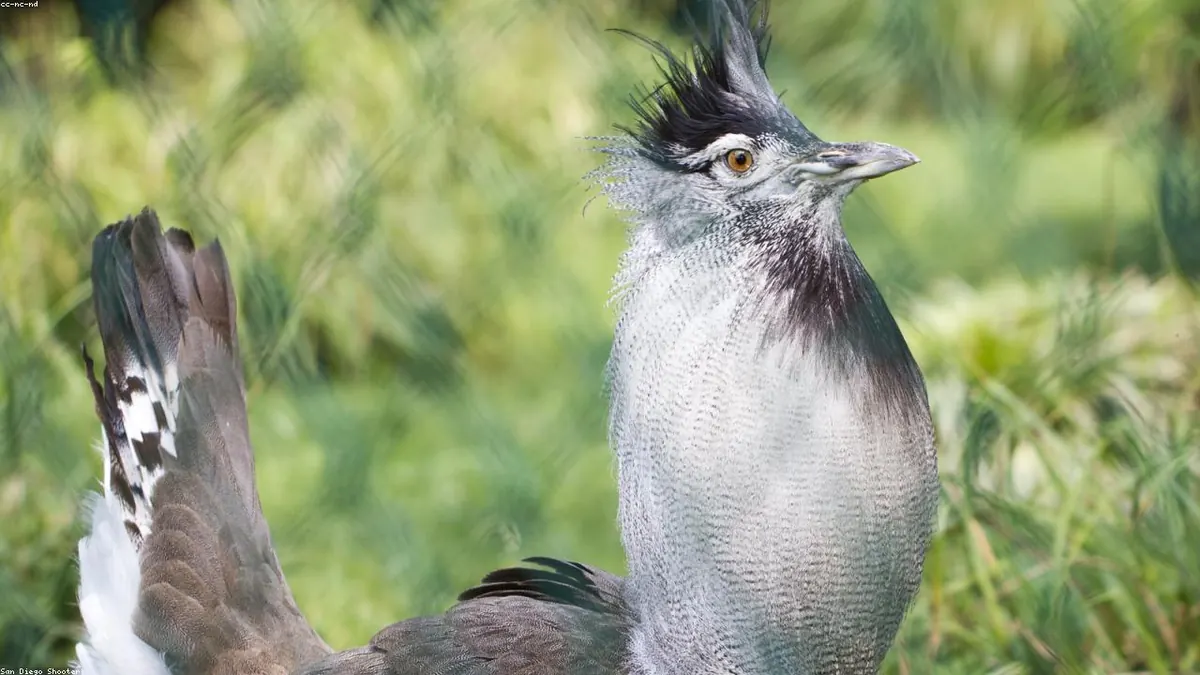
Kori bustards are heavy ground birds of African grasslands that walk slowly while scanning for food and danger. Kori bustards walk across open grasslands searching for insects, seeds, and small animals, using camouflage and distance more than flight. The kori bustard is one of the heaviest living birds capable of flight. Grassland species rely on visibility, group coordination, and seasonal migration to survive.
Conservation
Status and habitat pressure
Kori bustards are vulnerable to grassland conversion, collision risk, disturbance, and hunting pressure in parts of their range. Conserving large open landscapes helps protect both feeding and breeding areas.
Vulnerable species can decline quickly when habitat loss, climate pressure, or human conflict intensifies.
Quick Facts
Things to notice
The kori bustard is one of the heaviest living birds capable of flight.
Bird bones are adapted for efficient movement, balancing strength with low weight.
Grassland species rely on visibility, group coordination, and seasonal migration to survive.
Vulnerable species face mounting risks and can decline quickly if habitats continue to shrink.