 Tropical Rainforest
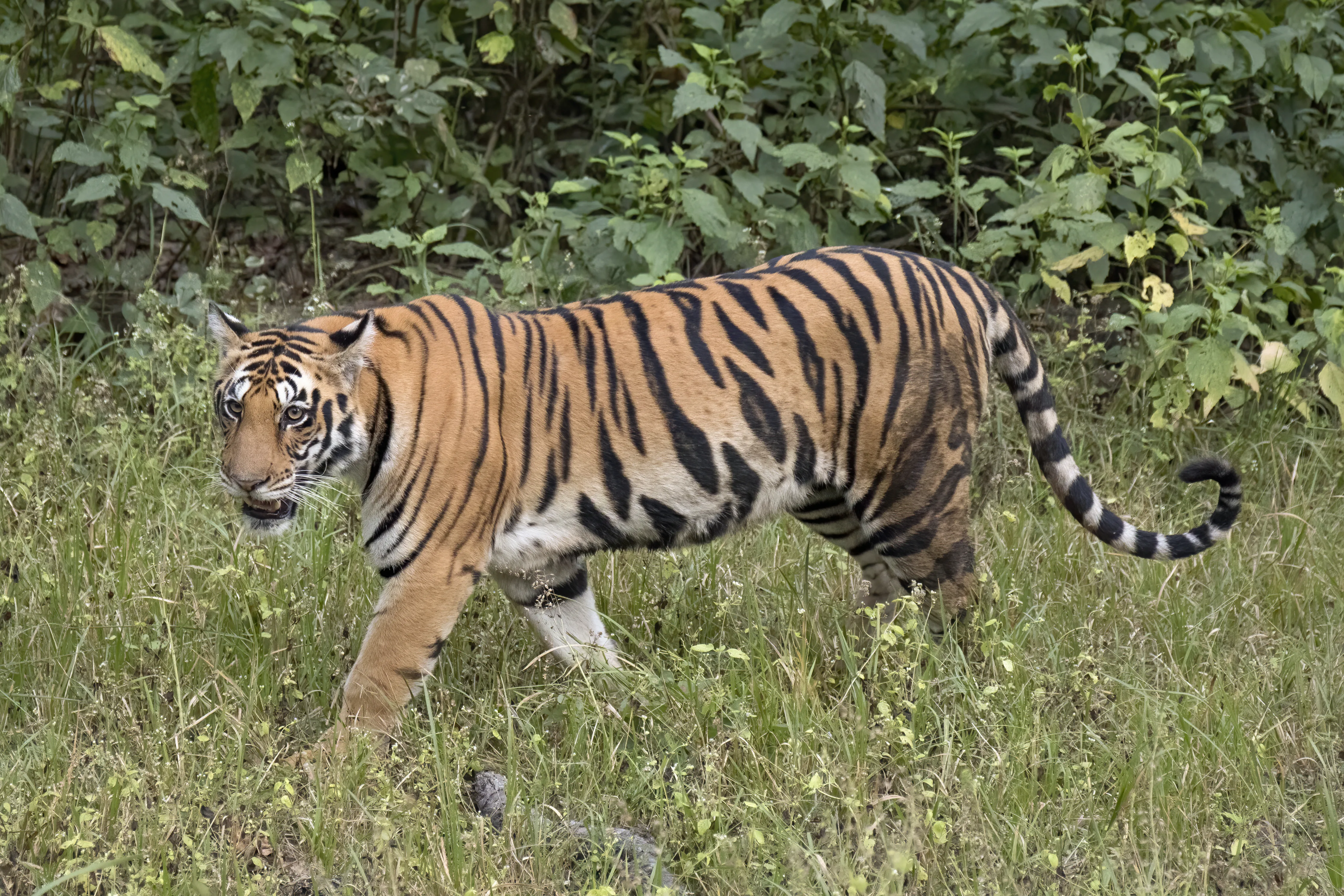
Jaguar
Panthera onca
It swims into rivers to hunt caimans, not just to cross them.
Open profile →🌲 Forests cover about 32% of Earth's land surface and support more than 80% of terrestrial species.
Explore the list ↓Habitat Hub
From the forest floor to the canopy 60 meters above, forests hold more life per square kilometer than almost any other habitat on Earth. Here's who lives there.
🌍 80% — of terrestrial species rely on forests
🌲 3T+ — trees estimated on Earth
🦜 50% — of bird species are forest birds
Source context: FAO, UNEP, IPBES, and global tree-density research.
Choose Your Forest
The animals change completely depending on which forest you're standing in.
Jaguar, Toucan, Poison Dart Frog
Just 6% of land, more than half of species
White-tailed Deer, Fox, Owl
Four-season forests across North America, Europe, and East Asia
Wolf, Moose, Brown Bear
The largest land biome on Earth
Spotted Owl, Black Bear, Salmon
Old, wet coastal forests with deep food webs
Spectacled Bear, Quetzal, Puma
High-elevation forests where mountains hold the clouds
Meet the Residents
These are some of its most remarkable inhabitants.
Tropical RainforestPanthera onca
It swims into rivers to hunt caimans, not just to cross them.
Open profile →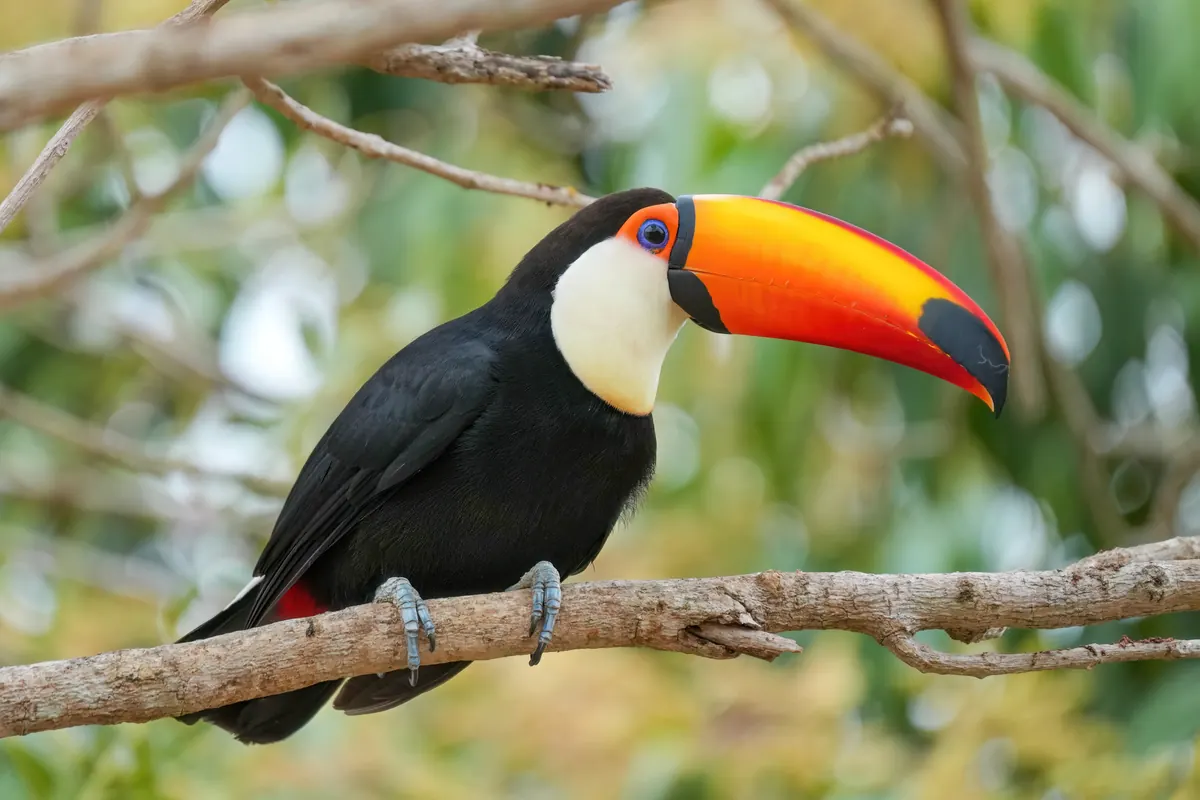 Tropical Rainforest
Ramphastidae
Its huge bill works like a heat radiator controlled by blood flow.
Open profile →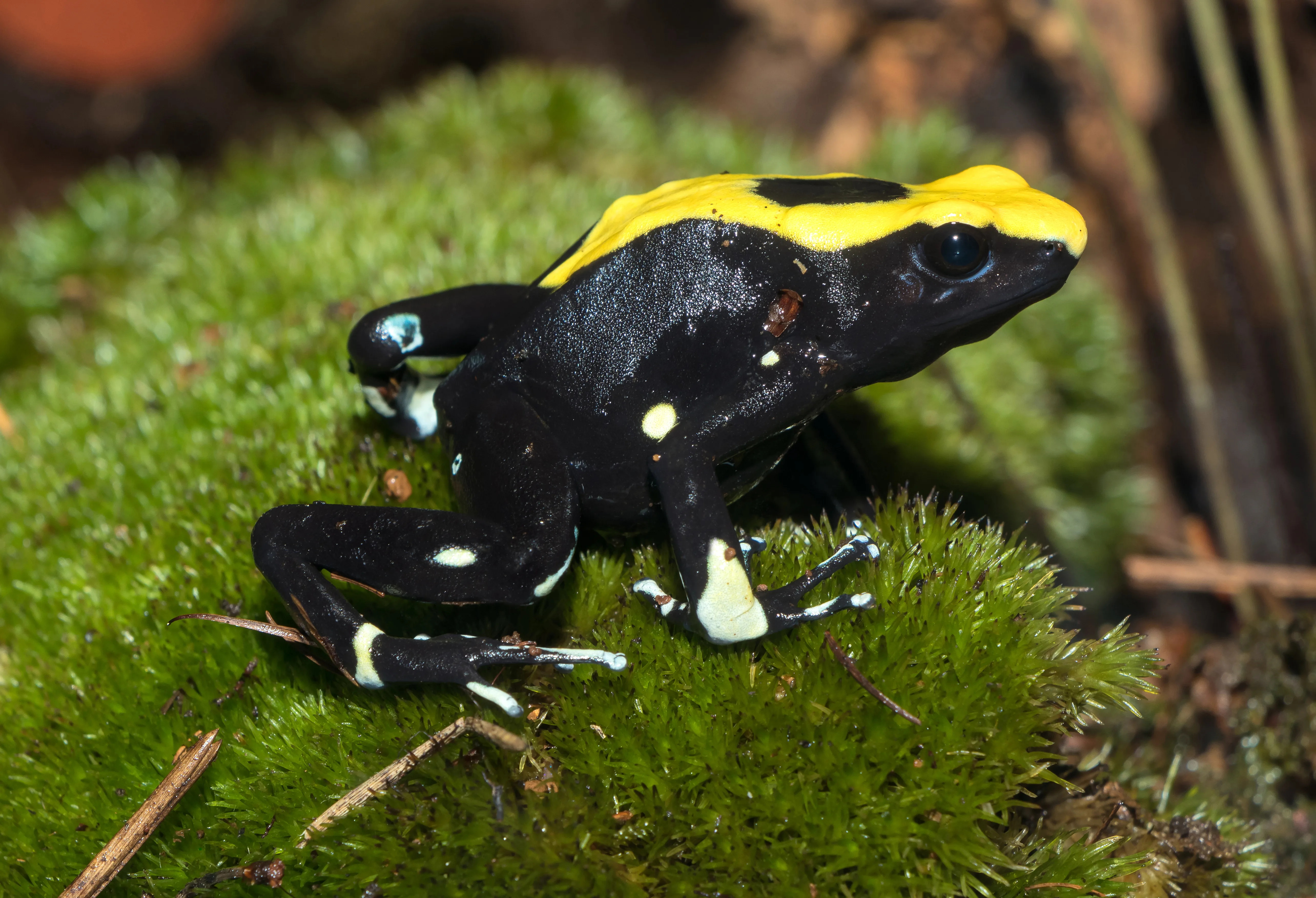 Tropical Rainforest
Dendrobatidae
Its poison comes from diet; captive frogs lose the chemistry.
Open profile → Temperate Deciduous
Odocoileus virginianus
The white underside of its tail flashes as a moving alarm signal.
Open profile →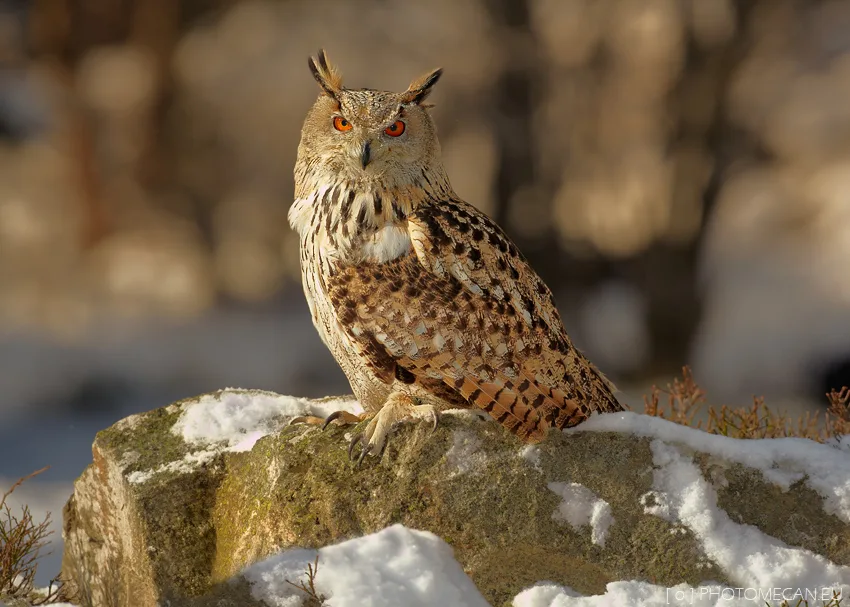 Temperate Deciduous
Bubo virginianus
It has eye tubes, not round eyeballs, so the head does the turning.
Open profile →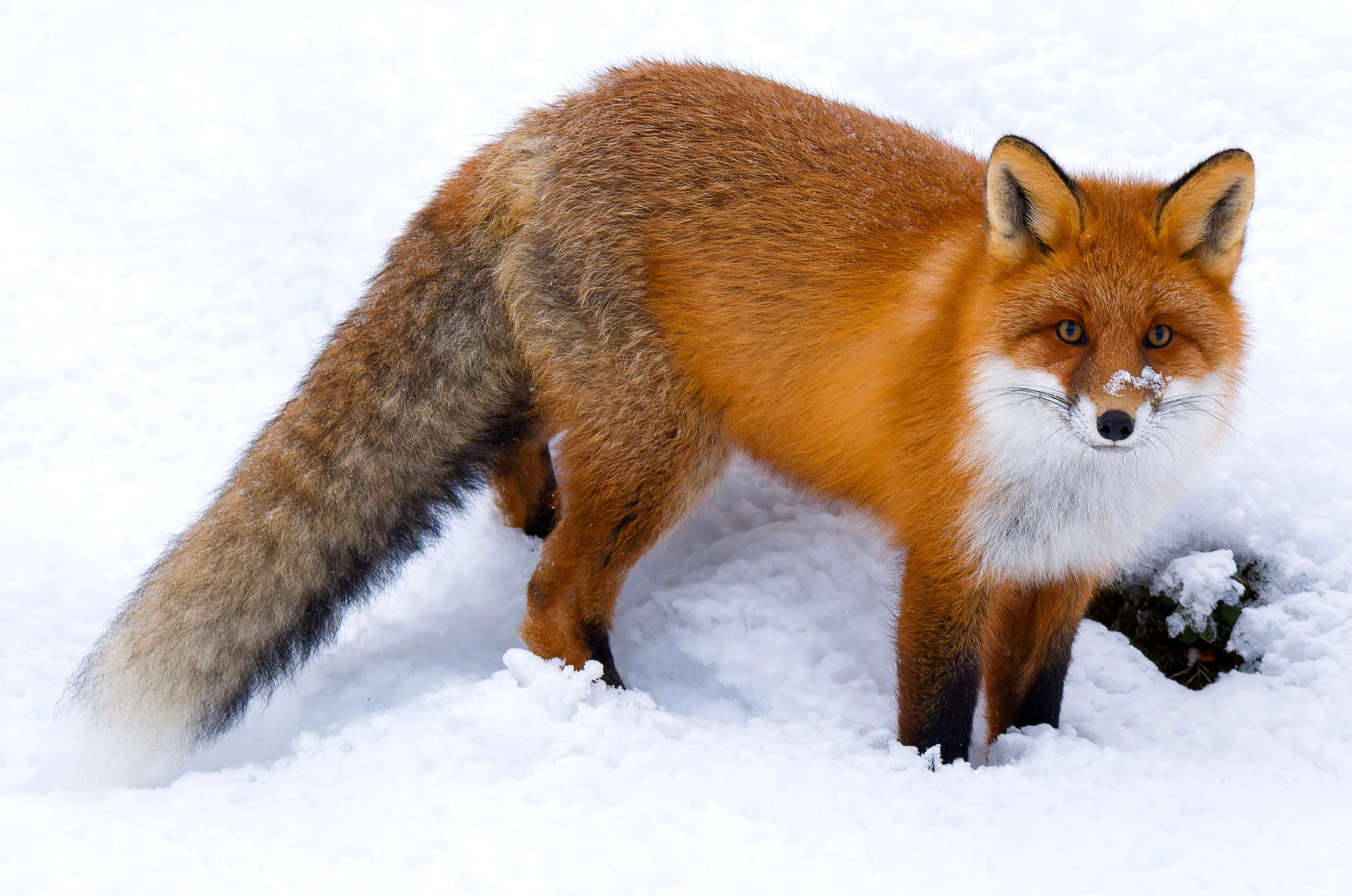 Temperate Deciduous
Vulpes vulpes
It appears to use Earth's magnetic field to aim winter pounces.
Open profile →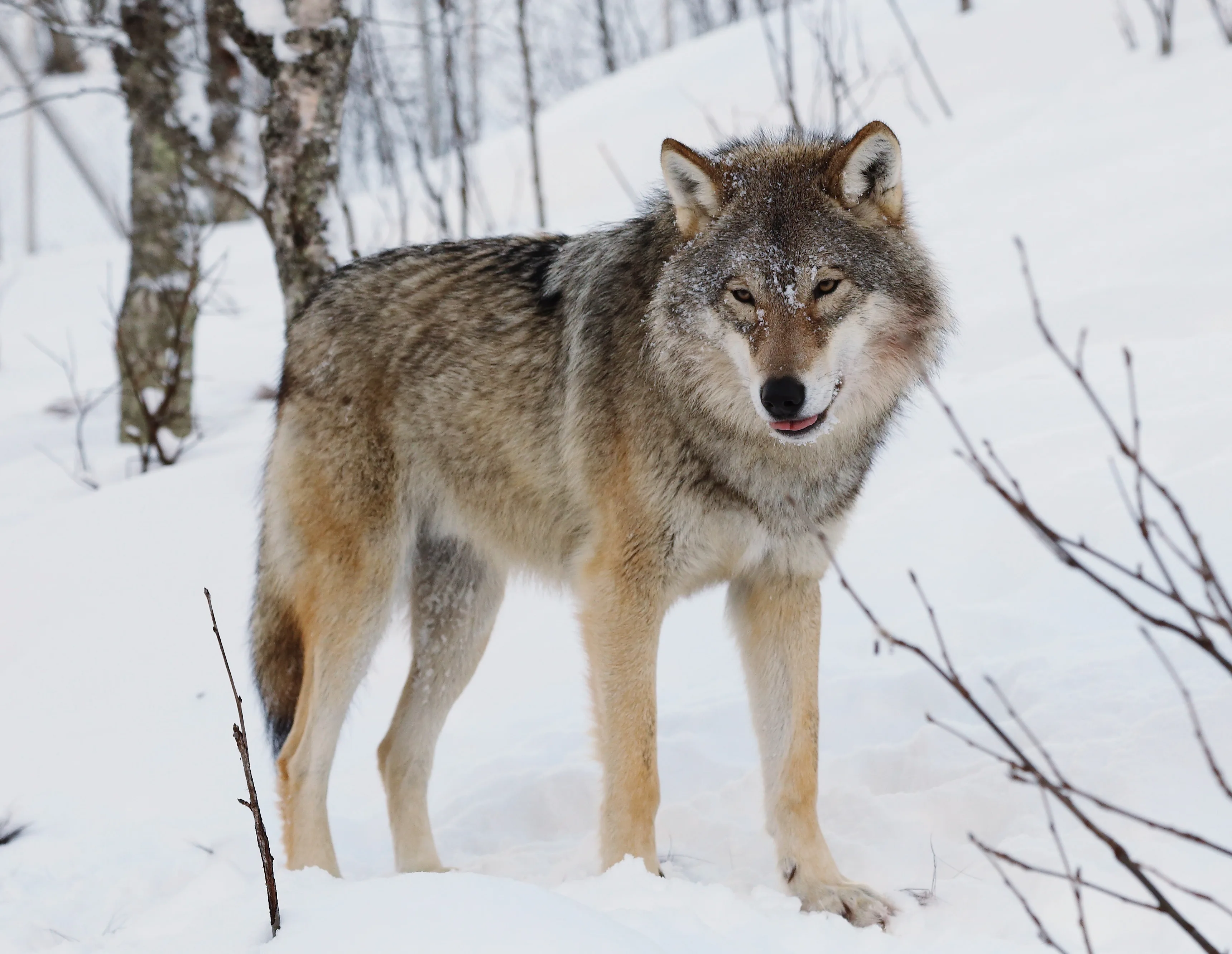 Boreal
Canis lupus
A howl can travel 10 kilometers, and every wolf has a voiceprint.
Open profile →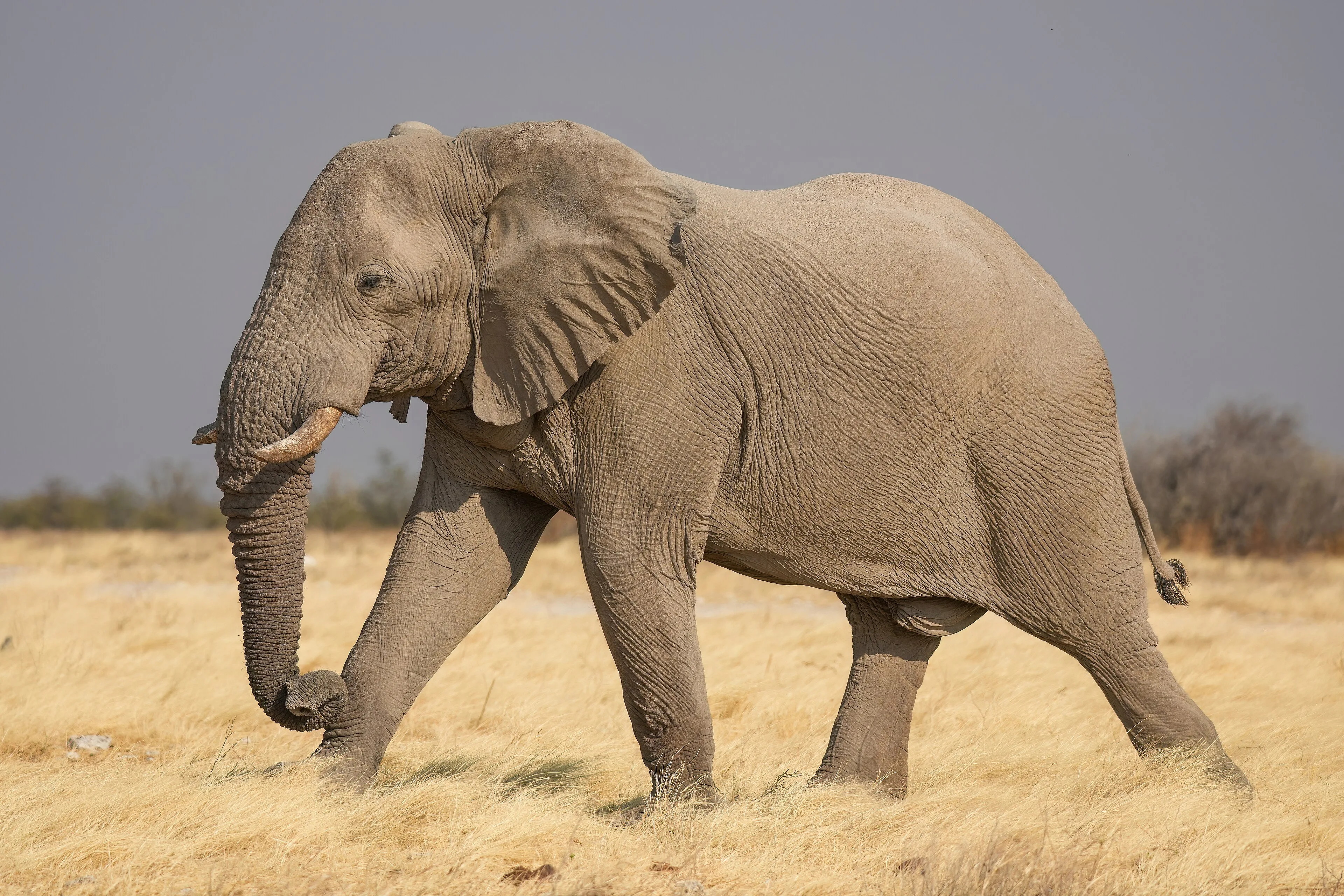 Boreal
Alces alces
A bull can eat 18 kilograms of plants daily and dive for pondweed.
Open profile →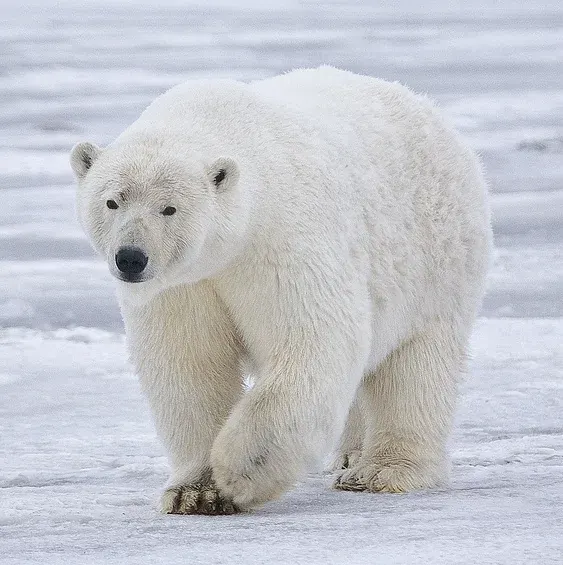 Boreal
Ursus arctos
Its winter heart rate can fall from about 40 beats to near 8.
Open profile →Temperate RainforestStrix occidentalis
It depends on old-growth forests too complex to regrow quickly.
Open profile →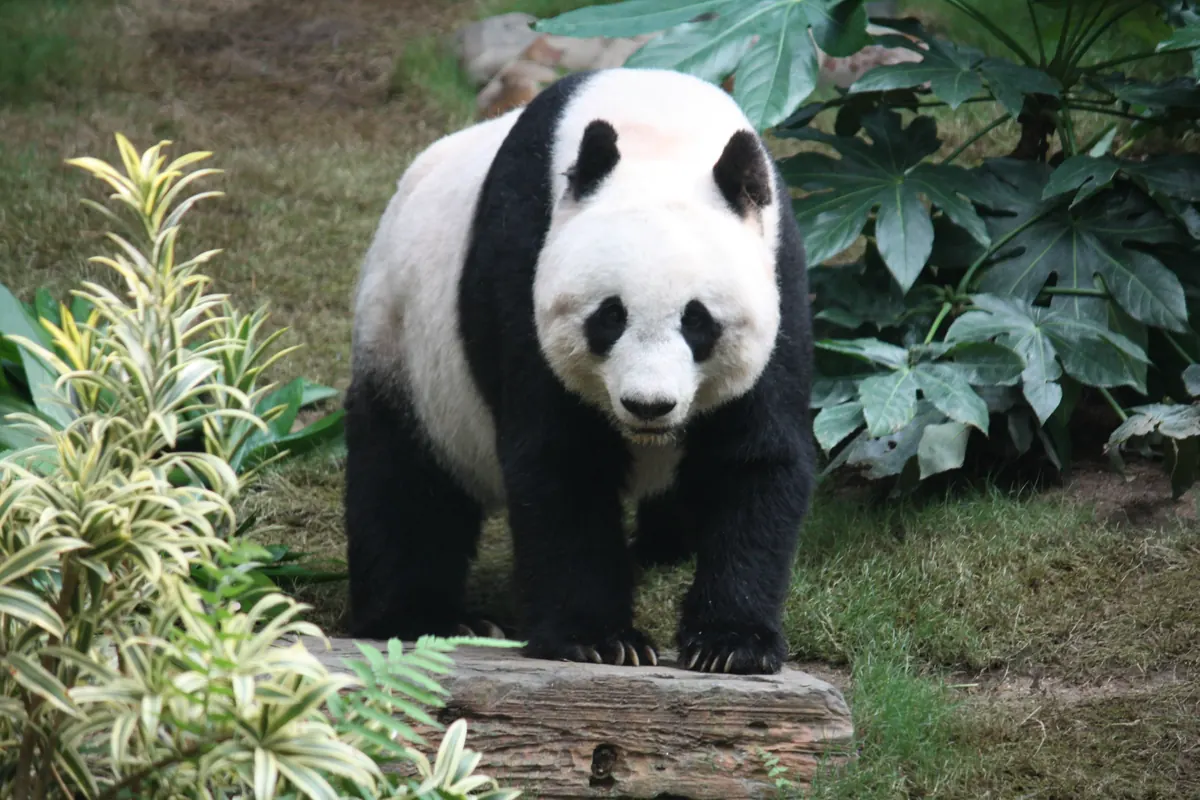 Cloud Forest
Tremarctos ornatus
Every pale eye pattern is different, almost like a fingerprint.
Open profile →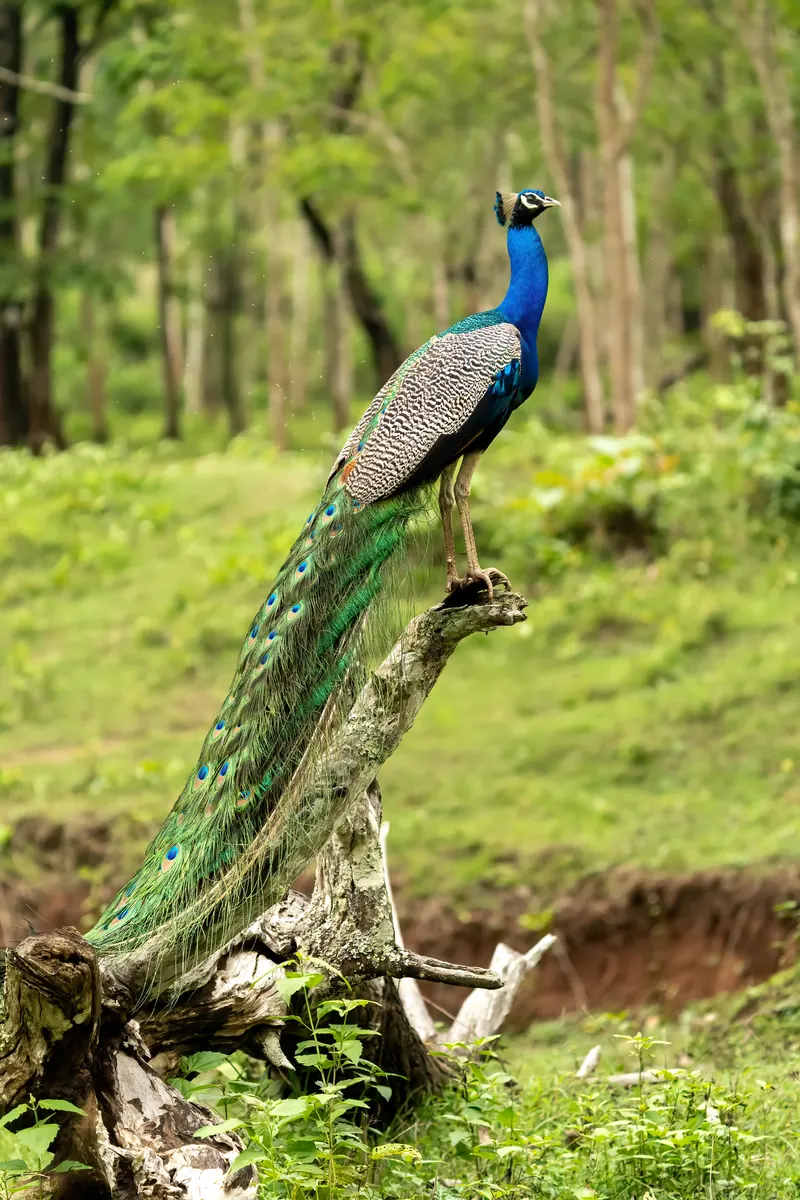 Cloud Forest
Pharomachrus mocinno
Its tail streamers can reach a meter, and it rarely survives captivity.
Open profile →Forests by Type
Open a forest type to see its species list, signature ecology, and child page link.
Tropical rainforests cover a small slice of Earth's land surface, but contain more than half of all plant and animal species. The Amazon alone holds roughly 10% of known species. This is the densest living library on the planet, and many pages are being torn out before anyone has read them.
A tropical rainforest is built vertically: forest floor, understory, canopy, emergent layer, then open air above the crowns. Light, humidity, temperature, and danger change by height. One tree can be a city: insects under bark, frogs in water-filled leaves, monkeys above, orchids on branches, and raptors watching from the roof.
Temperate deciduous forests change with the seasons, and their animals change with them. Some migrate, some hibernate, some grow thicker fur, and some simply slow down. The January forest and the July forest are the same address with two completely different survival rules.
Winter in a deciduous forest is not death. It is pause. Bears slow their hearts in dens. Deer lower metabolism. Squirrels recover thousands of buried meals, and the ones they forget become next year's trees. Every winter strategy answers the same old question: when food disappears, how do you keep enough life burning?
The boreal forest, or taiga, stretches across Canada, Russia, and Scandinavia as the largest forest biome on Earth. Winters can reach -50°C. Summers are brief and loud with insects. Animals here did not just adapt to cold; they built their lives around waiting it out, storing energy, and moving across snow.
The northern forest pulses on a strange rhythm. Snowshoe hares boom, lynx follow, hares crash under pressure, lynx starve, and the forest resets. Wolves, owls, foxes, shrubs, and seedlings all feel the vibration. It is one of the best documented ecological cycles on Earth, and it makes the forest feel less like scenery than machinery.
Temperate rainforests on the Pacific Northwest coast receive huge annual rainfall, and some trees live for more than 1,000 years. These forests are wet, old, shaded, and extraordinarily productive. They are also rare, which makes their animals dependent on a habitat that is difficult to replace once cut.
Pacific salmon return from the ocean to spawn and die in forest rivers. Bears drag fish into the trees. Bones decay. Nitrogen from the sea appears in tree rings hundreds of meters from the bank. This forest is partly built from fish. Remove salmon, and the ancient trees lose one of their quiet supply lines.
Cloud forests form where mountains catch persistent mist, often between 1,500 and 3,500 meters. Moss, orchids, and epiphytes hold moisture in the air. The animals are spectacular, but the habitat is narrow: as warming pushes cloud layers upward, the living band around the mountain shrinks.
A cloud forest depends on a precise temperature window: cool enough for clouds to cling to the mountain, warm enough for plants to grow. Climate change is lifting that window. Animals can move upslope for a while, but mountains end. When the cloud rises beyond the summit, the habitat does not migrate. It vanishes.
Under Threat
Every minute, forest loss changes what animals can eat, where they can breed, and whether they can find each other.
🎲 Meet a Forest Animal →15 billion
trees cut down each year
1 million
species at risk of extinction globally
420 million ha
forest lost from 1990 to 2020
Forest loss is not just about trees. When a forest disappears, the animals do not simply relocate. A jaguar needs large connected territory. A spotted owl needs old-growth structure. A salmon needs a shaded watershed. Most forest animals are specialists, shaped for one set of conditions. When those conditions collapse, adaptation cannot always move fast enough.
Source context: FAO Global Forest Resources Assessment 2025, UNEP forests and biodiversity context, Nature global tree density estimate, IPBES Global Assessment. Figures should be reviewed during quarterly content updates.
Generator Links
Click once. Get a forest animal you've probably never thought about before.
Generate Now →Rainforest? Boreal? Cloud forest? Filter by the exact habitat you're curious about.
Explore by Type →What if a jaguar and a harpy eagle merged? What would it hunt? What would it look like?
Try Hybrid Generator →FAQ
Forests are home to mammals such as deer, bears, wolves, and jaguars; birds such as owls, eagles, and toucans; reptiles, amphibians, insects, and decomposers. The exact mix depends on whether the forest is tropical, temperate, boreal, coastal, or cloud forest.
Insects are by far the most numerous forest animals. Among vertebrates, deer species are among the most widespread forest mammals, especially in temperate forests and forest-edge habitats.
It depends on the forest. Jaguars and anacondas dominate many tropical systems, while brown bears and gray wolves are major predators in boreal forests. For humans globally, mosquitoes linked to forest and wetland water cause far more deaths than large predators.
Tropical rainforests host jaguars, harpy eagles, poison dart frogs, toucans, anacondas, sloths, howler monkeys, capybaras, tapirs, caimans, glass frogs, and millions of insect species.
The boreal forest, or taiga, is home to gray wolves, moose, brown bears, Canada lynx, wolverines, caribou, Siberian tigers in parts of Russia, snowshoe hares, bald eagles, and great gray owls.
Many forest animals face serious pressure from habitat loss and fragmentation. Mountain gorillas, Siberian tigers, spotted owls, many amphibians, and specialized rainforest species depend on forests that cannot be replaced quickly.
Forest animals occupy every level of the food chain. Herbivores eat leaves, shoots, fruit, bark, and seeds. Omnivores such as bears and raccoons switch foods by season. Carnivores hunt other animals. Decomposers such as beetles, fungi, and earthworms recycle dead matter into soil.
Forest animals use migration, hibernation, food storage, thicker coats, reduced activity, and camouflage. Monarch butterflies migrate, chipmunks cache food, bears den, wolves grow winter coats, and snowshoe hares turn white to match snow.