Animal Generator · Est. 2024
VulnerableAmphibian
Salamander
蝾螈
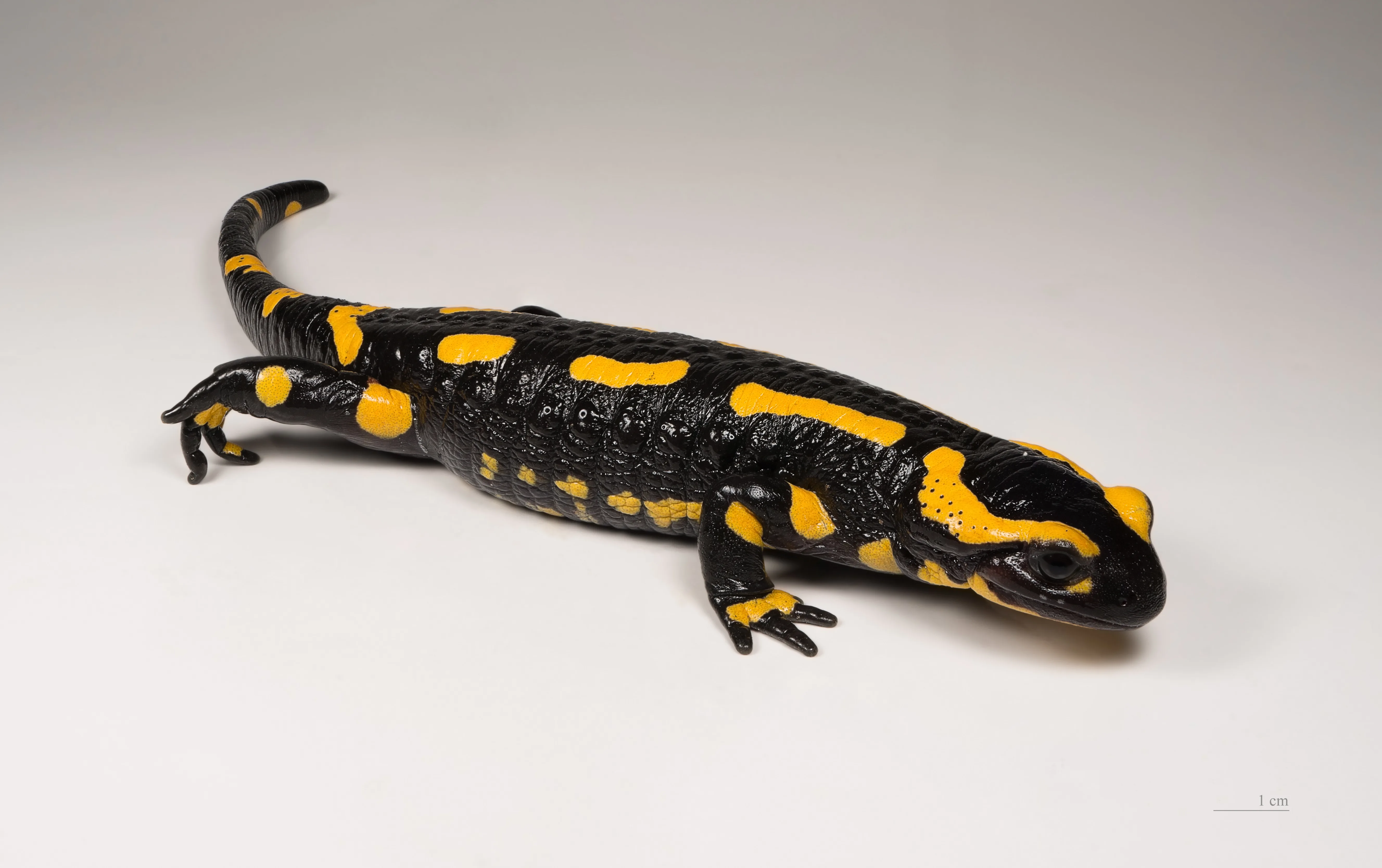
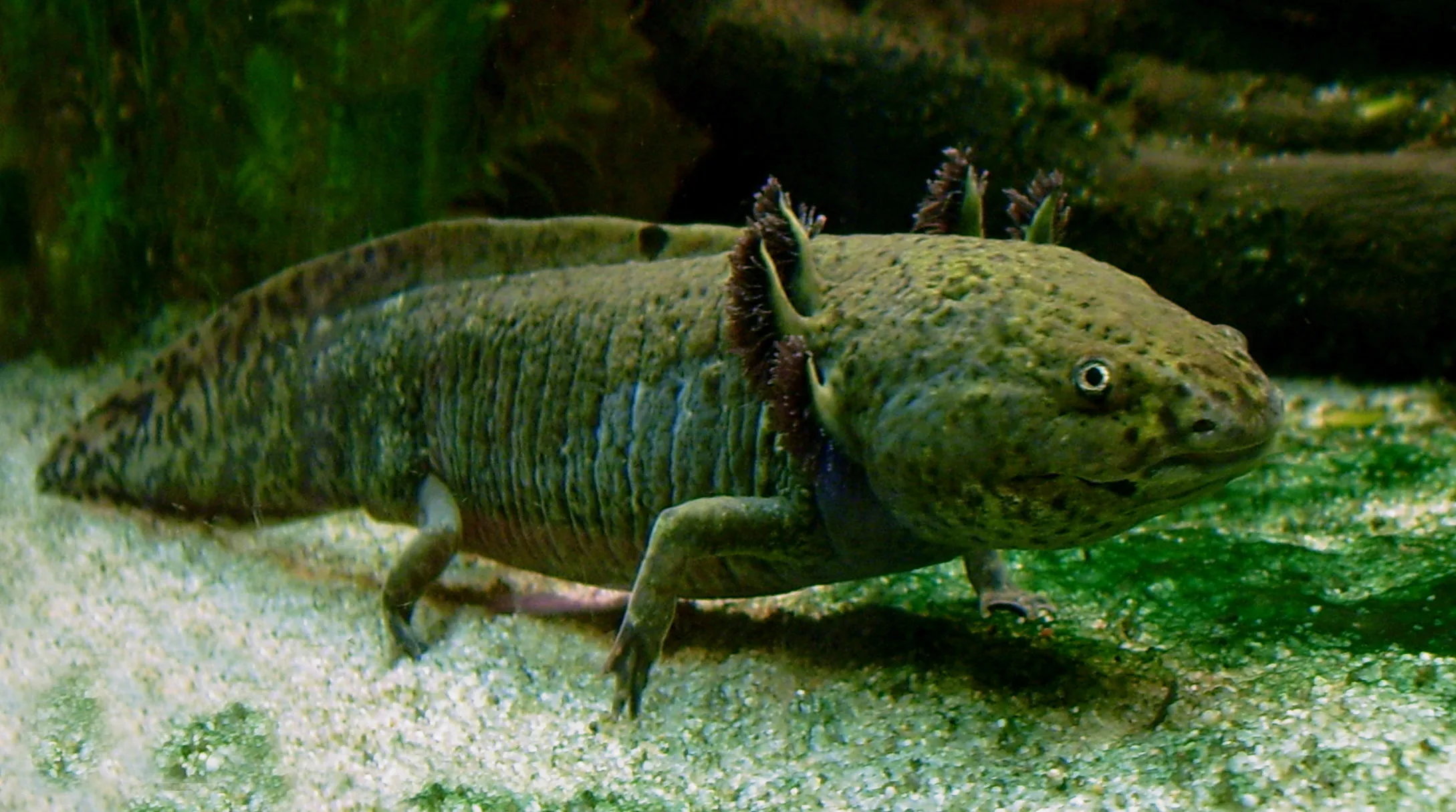
Salamanders often hide beneath logs and leaf litter where moisture and cool temperatures remain stable.
Forest · Small · Vulnerable
About
How salamander lives
Salamanders often hide beneath logs and leaf litter where moisture and cool temperatures remain stable. Many salamanders stay hidden in cool damp cover by day and emerge under moist conditions to feed. Some salamanders breathe partly through their skin, which is why damp habitats matter so much. Forest habitats reward animals that can climb, hide, or move quietly through layered vegetation.
Conservation
Status and habitat pressure
Salamanders are especially vulnerable to drying forests, polluted streams, and disease because their skin and eggs need stable, moist conditions. Conservation often begins with clean water and intact ground cover.
Vulnerable species can decline quickly when habitat loss, climate pressure, or human conflict intensifies.
Quick Facts
Things to notice
- Some salamanders breathe partly through their skin, which is why damp habitats matter so much.
- Moist skin helps amphibians exchange gases, but also makes them vulnerable to pollution and habitat loss.
- Forest habitats reward animals that can climb, hide, or move quietly through layered vegetation.
- Vulnerable species face mounting risks and can decline quickly if habitats continue to shrink.