Animal Generator · Est. 2024
CriticalAmphibian
Axolotl
美西螈
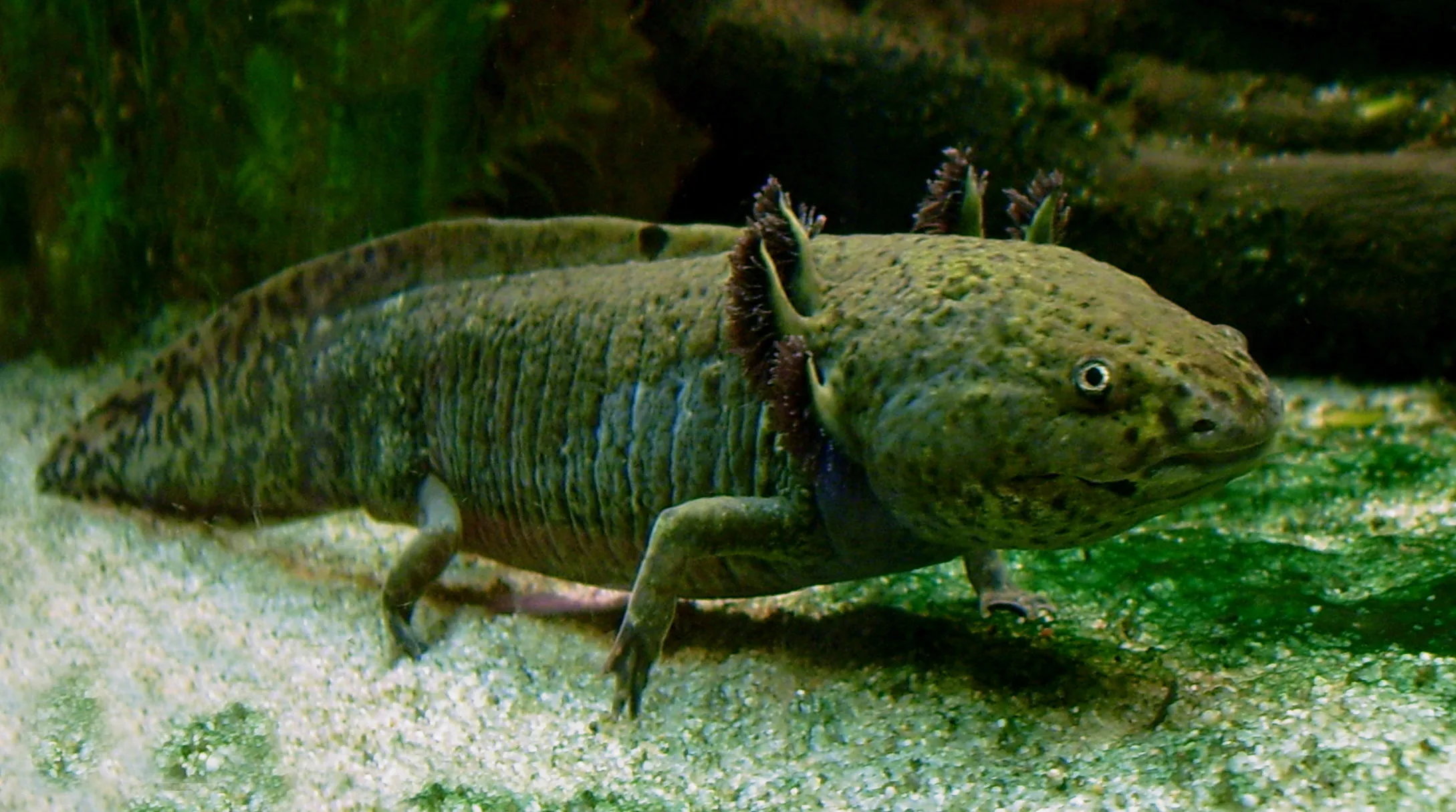
Axolotls stay in their aquatic juvenile form for life, giving them a distinctive feathery-gill appearance.
Wetland · Small · Critical
About
How axolotl lives
Axolotls stay in their aquatic juvenile form for life, giving them a distinctive feathery-gill appearance. Axolotls remain aquatic throughout life and have become famous for regeneration, but their wild range is far smaller than many people assume. Axolotls are famous for regenerating limbs and parts of other organs. Wetlands combine land and water resources, making them rich feeding zones for adaptable species.
Conservation
Status and habitat pressure
Wild axolotls are in serious trouble because urban growth, water pollution, invasive fish, and wetland degradation have transformed the canals they once occupied. Conserving the species in nature requires restoring clean freshwater habitat around Xochimilco.
Critically threatened species often have little room for delay because every remaining population matters.
Quick Facts
Things to notice
- Axolotls are famous for regenerating limbs and parts of other organs.
- Moist skin helps amphibians exchange gases, but also makes them vulnerable to pollution and habitat loss.
- Wetlands combine land and water resources, making them rich feeding zones for adaptable species.
- Critically threatened species often survive in fragmented populations, making every breeding group important.