Animal Generator · Est. 2024
Stable WatchMammal
Red Fox
赤狐
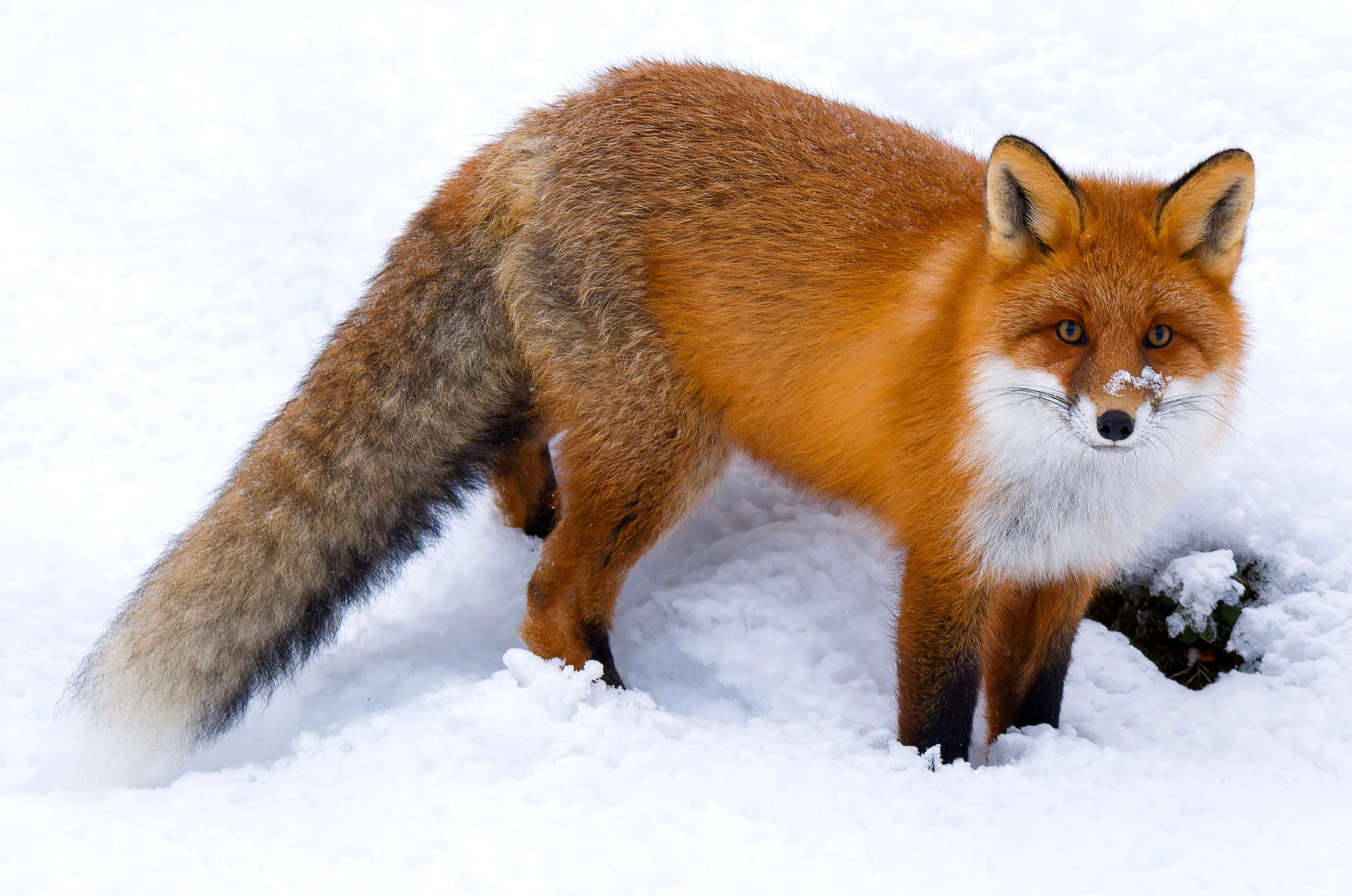
Red foxes are adaptable omnivores that thrive in woodland edges, farmland, and even near cities.
About
How red fox lives
Red foxes are adaptable omnivores that thrive in woodland edges, farmland, and even near cities. Their flexible diet and alert senses let them switch between hunting rodents, eating fruit, and scavenging when conditions change. Foxes use their tails for balance, warmth, and fast turns while chasing prey. Forest habitats reward animals that can climb, hide, or move quietly through layered vegetation.
Conservation
Status and habitat pressure
Red foxes remain widespread in many regions, but local populations can still be affected by persecution, road mortality, and disease. In human-dominated landscapes, stable habitat edges and healthy prey communities help keep fox populations resilient.
Common species still depend on habitat quality, clean water, food webs, and low disturbance.
Quick Facts
Things to notice
- Foxes use their tails for balance, warmth, and fast turns while chasing prey.
- Most mammals regulate body temperature internally, which helps them stay active across different climates.
- Forest habitats reward animals that can climb, hide, or move quietly through layered vegetation.
- Stable populations still depend on habitat quality, food availability, and low human pressure.