Animal Generator · Est. 2024
Stable WatchMammal
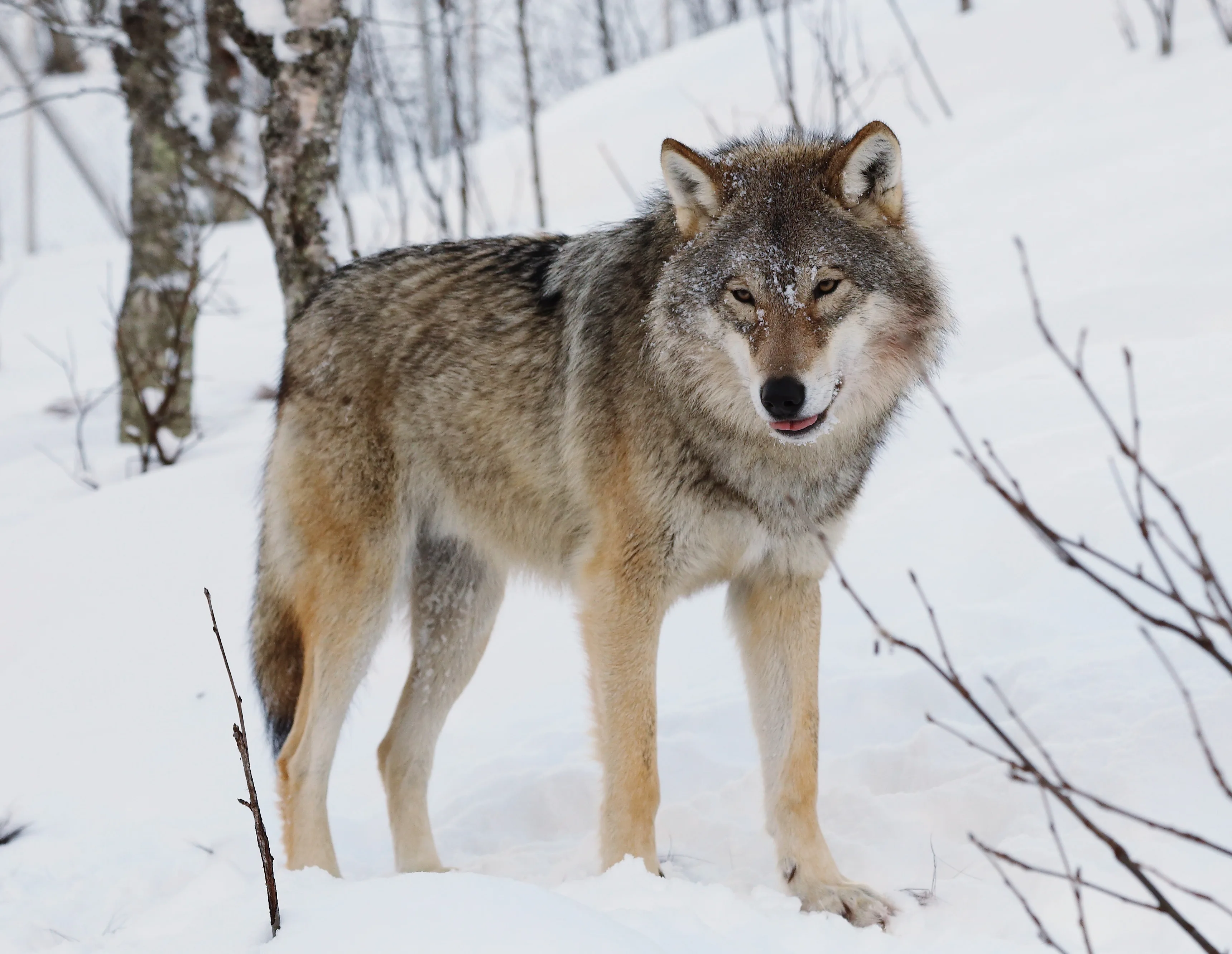
Gray Wolf
灰狼
Gray wolves are endurance hunters that rely on communication, stamina, and pack coordination.
About
How gray wolf lives
Gray wolves are endurance hunters that rely on communication, stamina, and pack coordination. Pack members cooperate when traveling and hunting, and their success often depends on communication, patience, and knowledge of local terrain. Wolves communicate with body posture, scent, and long-distance howls. Forest habitats reward animals that can climb, hide, or move quietly through layered vegetation.
Conservation
Status and habitat pressure
Gray wolf conservation is closely tied to public tolerance, prey availability, and landscape connectivity. Even where wolves have recovered, illegal killing, habitat fragmentation, and conflict over livestock can quickly reverse progress.
Common species still depend on habitat quality, clean water, food webs, and low disturbance.
Quick Facts
Things to notice
- Wolves communicate with body posture, scent, and long-distance howls.
- Hair, fur, and milk production are hallmark mammal traits that separate them from other vertebrates.
- Forest habitats reward animals that can climb, hide, or move quietly through layered vegetation.
- Stable populations still depend on habitat quality, food availability, and low human pressure.