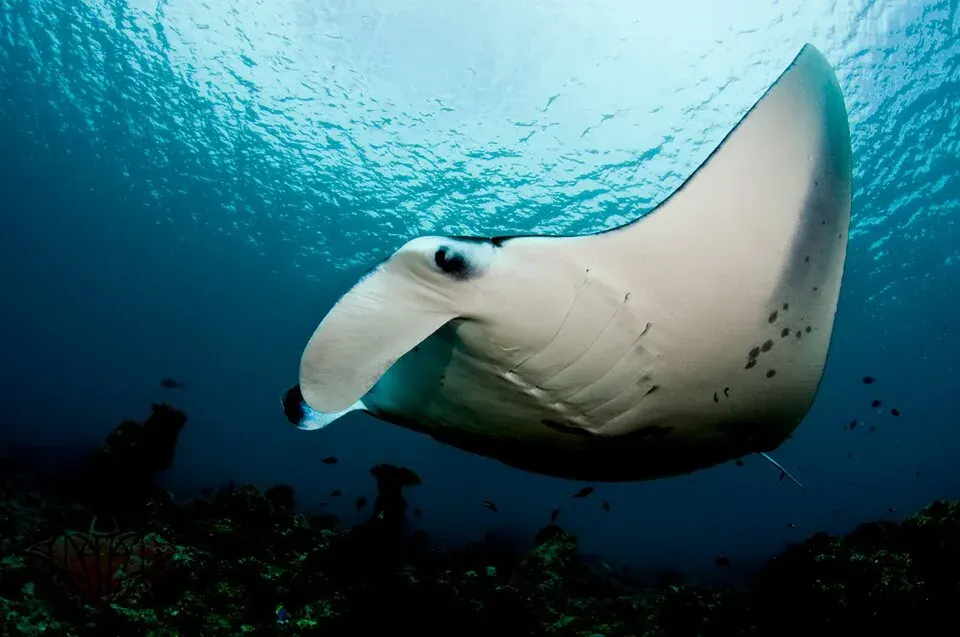
 Sunlight Zone
Blue Whale
Balaenoptera musculus
The largest animal ever known, with a heart so large a human could crawl through its major vessels.
Learn More →🌊 The ocean covers 70.8% of Earth's surface. We have explored less than 20% of it. Most of its animals do not have names yet.
Explore sea animals ↓Habitat Hub
From sunlit coral reefs to trenches 11 kilometers below the surface, the ocean holds more life than any other place on Earth. Most of it has never been seen.
This guide follows ocean animals and sea animals by depth, because the ocean is not one habitat. It is a stack of worlds.
🌊 70.8% — of Earth's surface is ocean
🐠 ~240K — known marine species
🔦 <20% — of the ocean explored by humans
Source context: NOAA, UNESCO, WoRMS, and ocean science reviews.
Choose Your Ocean Zone
Change the depth by 200 meters, and you're in a completely different world.
0-200 m
Dolphins, coral, sea turtles, tuna
Photosynthesis starts here and powers most ocean food webs.
200-1,000 m
Squid, lanternfish, swordfish
Light fades; many sea animals become transparent, red, or luminous.
1,000-4,000 m
Anglerfish, vampire squid, sperm whales
Total darkness, extreme pressure, and bioluminescent signals.
4,000-6,000 m
Sea cucumbers, worms, grenadiers
Cold, dark seafloor plains covering much of the planet.
6,000-11,000 m
Snailfish, amphipods, pressure-loving bacteria
Ocean trenches: Earth's deepest living places.
Meet the Residents
The ocean is not just big. It is strange. These sea animals evolved to survive conditions that would kill almost anything else.
Sunlight ZoneBalaenoptera musculus
The largest animal ever known, with a heart so large a human could crawl through its major vessels.
Learn More →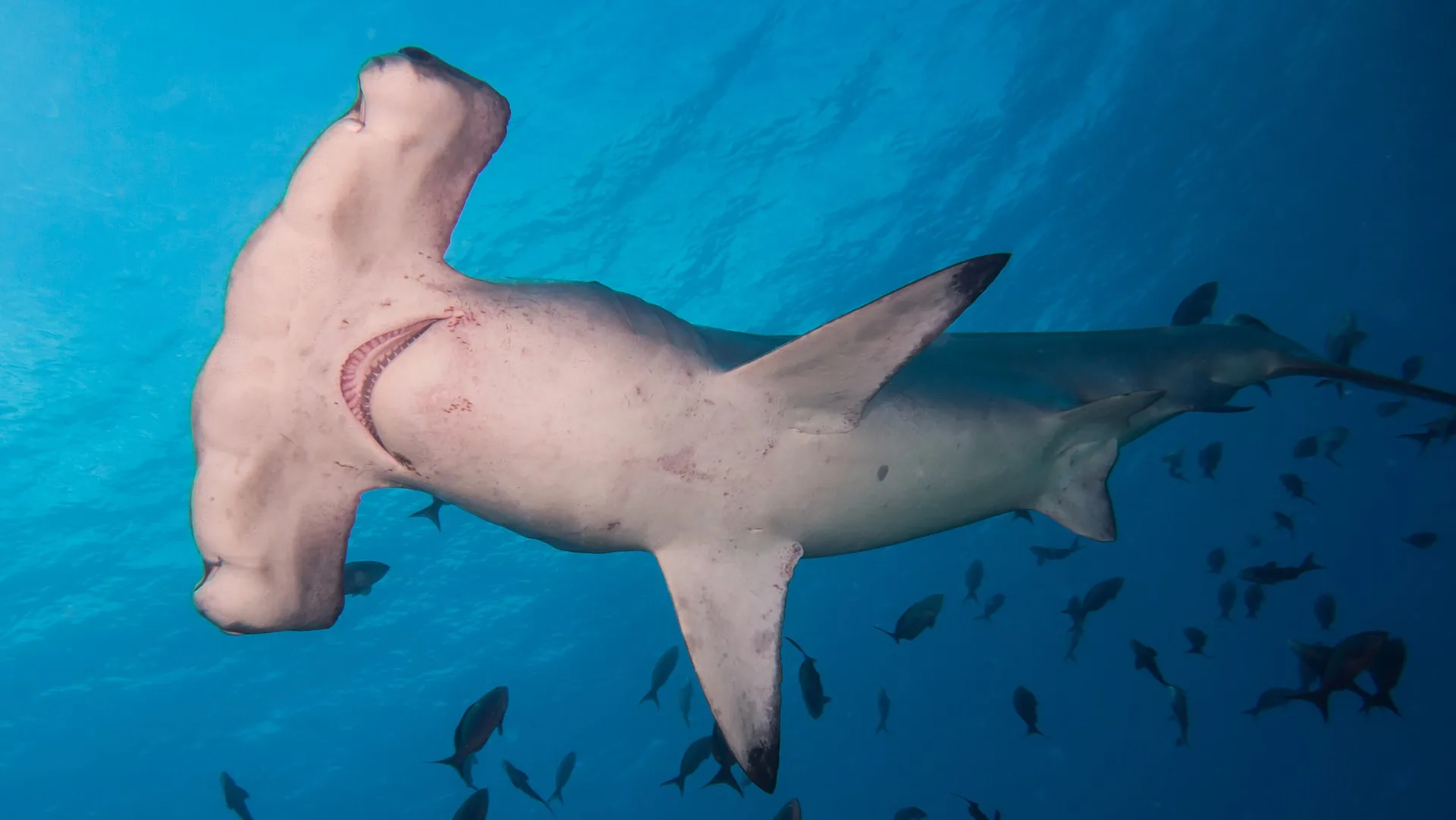 Sunlight Zone
Carcharodon carcharias
Its skeleton is cartilage, not bone, making the body lighter and more flexible.
Learn More →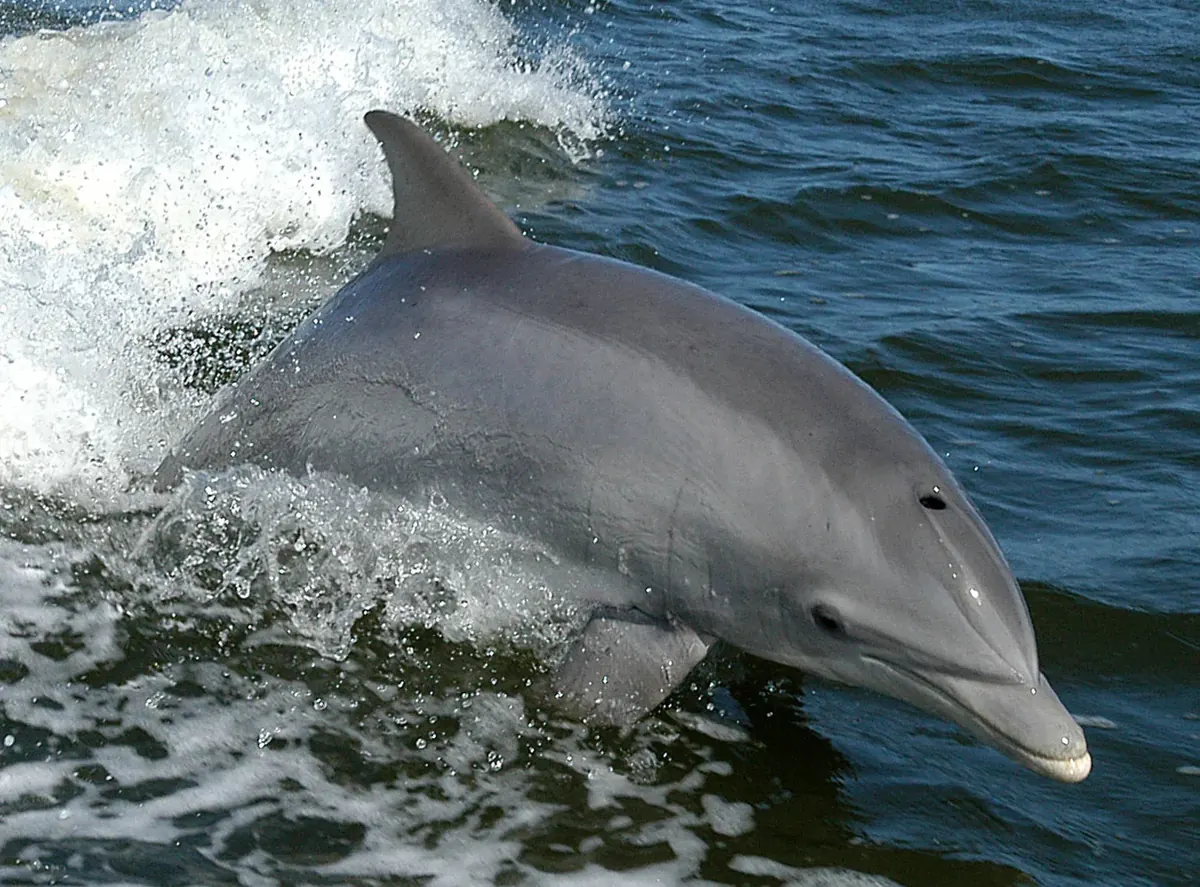 Sunlight Zone
Tursiops truncatus
It sleeps with one brain hemisphere at a time so it can keep breathing.
Learn More →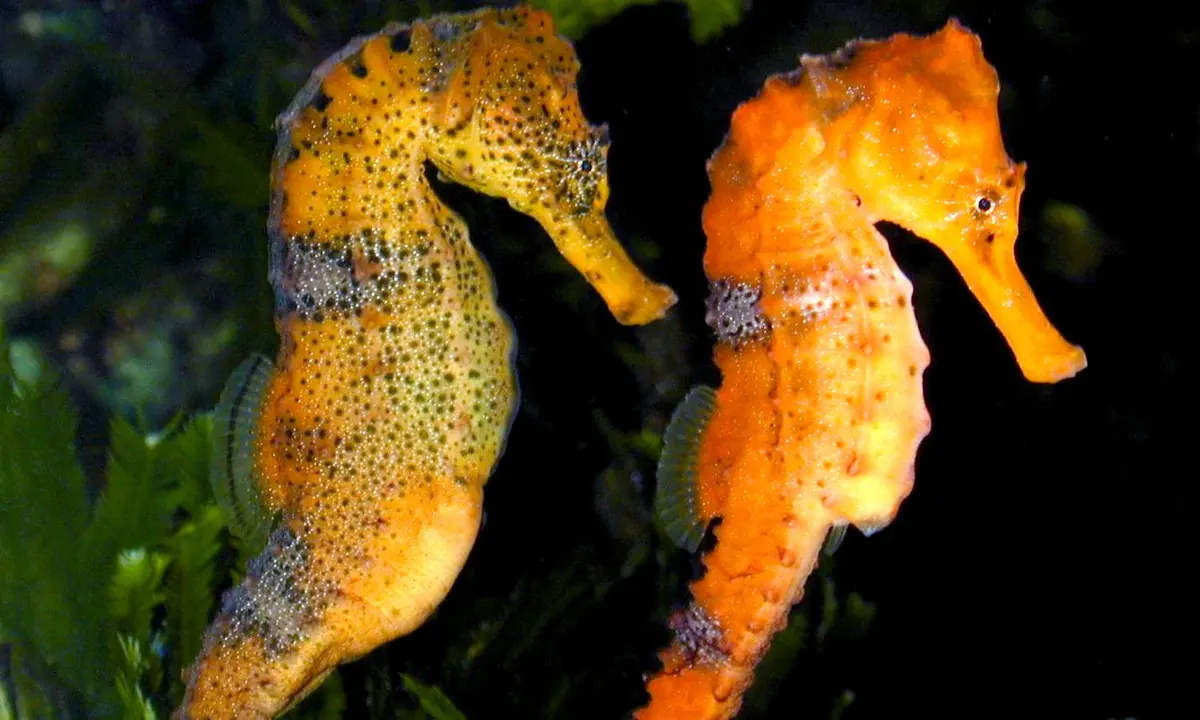 Coral Reef
Stomatopoda
Its color vision uses far more photoreceptor classes than human vision.
Learn More →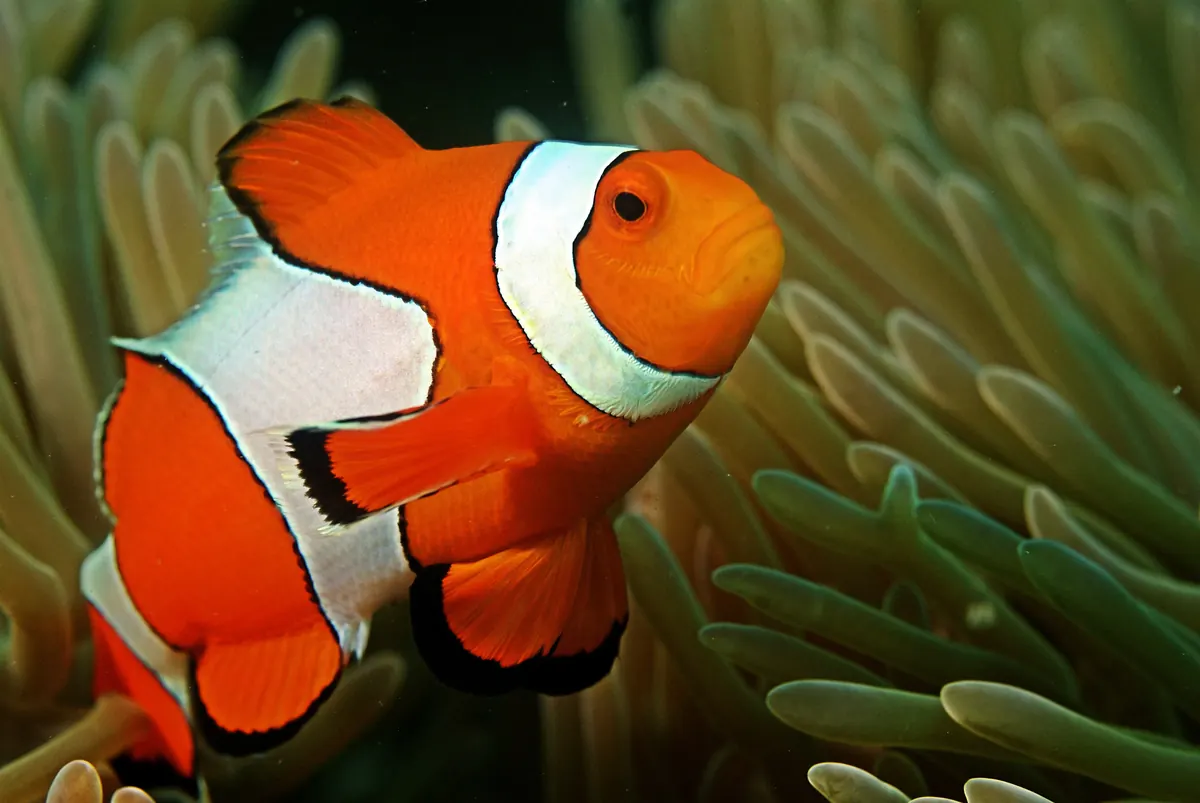 Coral Reef
Thaumoctopus mimicus
It can imitate multiple sea animals to make predators hesitate.
Learn More →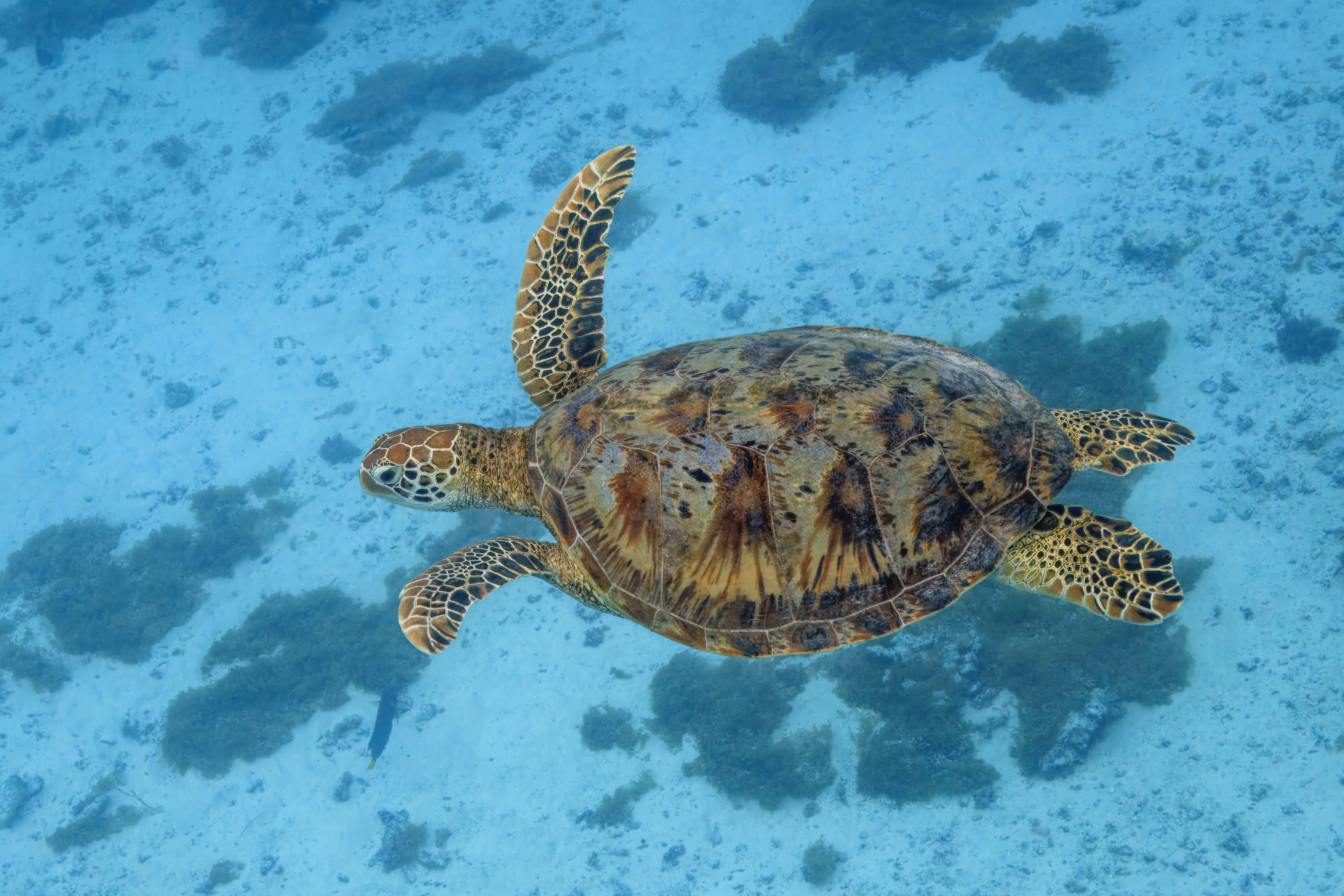 Sunlight Zone
Dermochelys coriacea
It can dive beyond 1,000 meters and keep warm in cold water.
Learn More →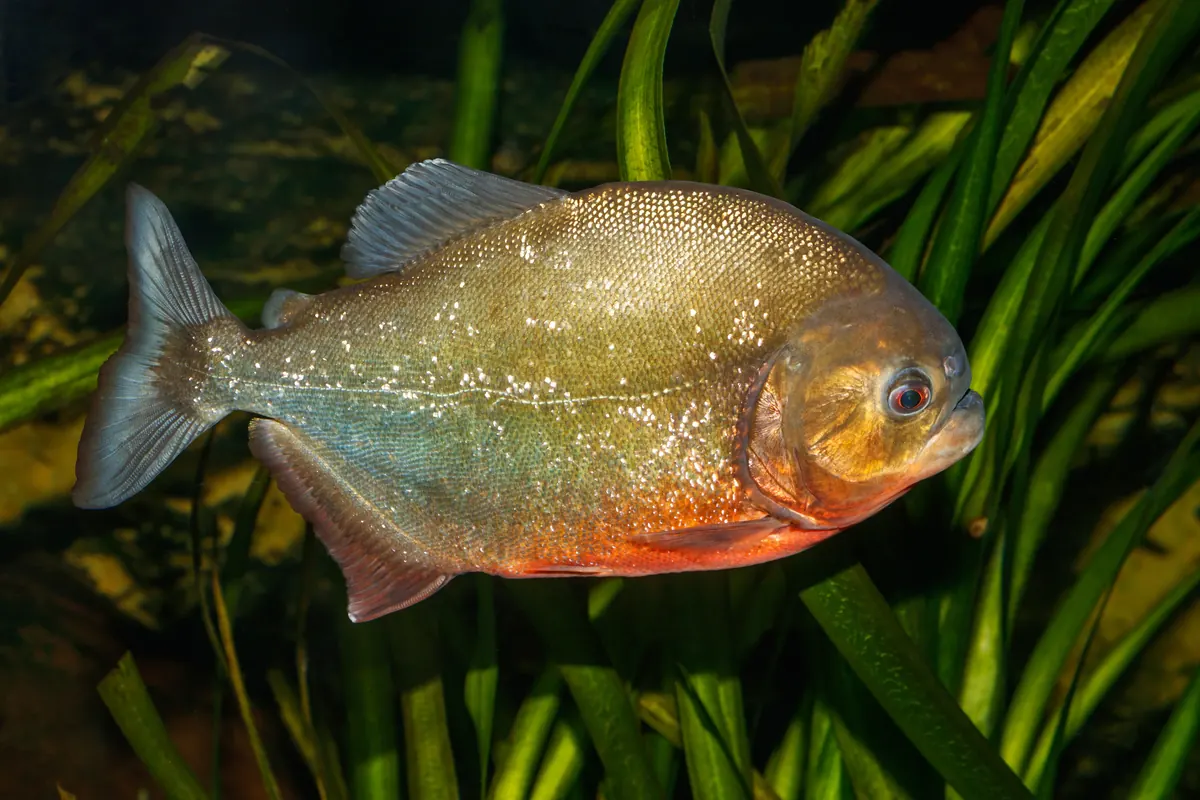 Midnight Zone
Lophiiformes
In some species, the tiny male fuses permanently with the female.
Learn More →Twilight ZoneVampyroteuthis infernalis
Despite the name, it eats marine snow: falling organic debris.
Learn More →Midnight ZonePhyseter macrocephalus
It dives into darkness to hunt giant squid, often returning with sucker scars.
Learn More →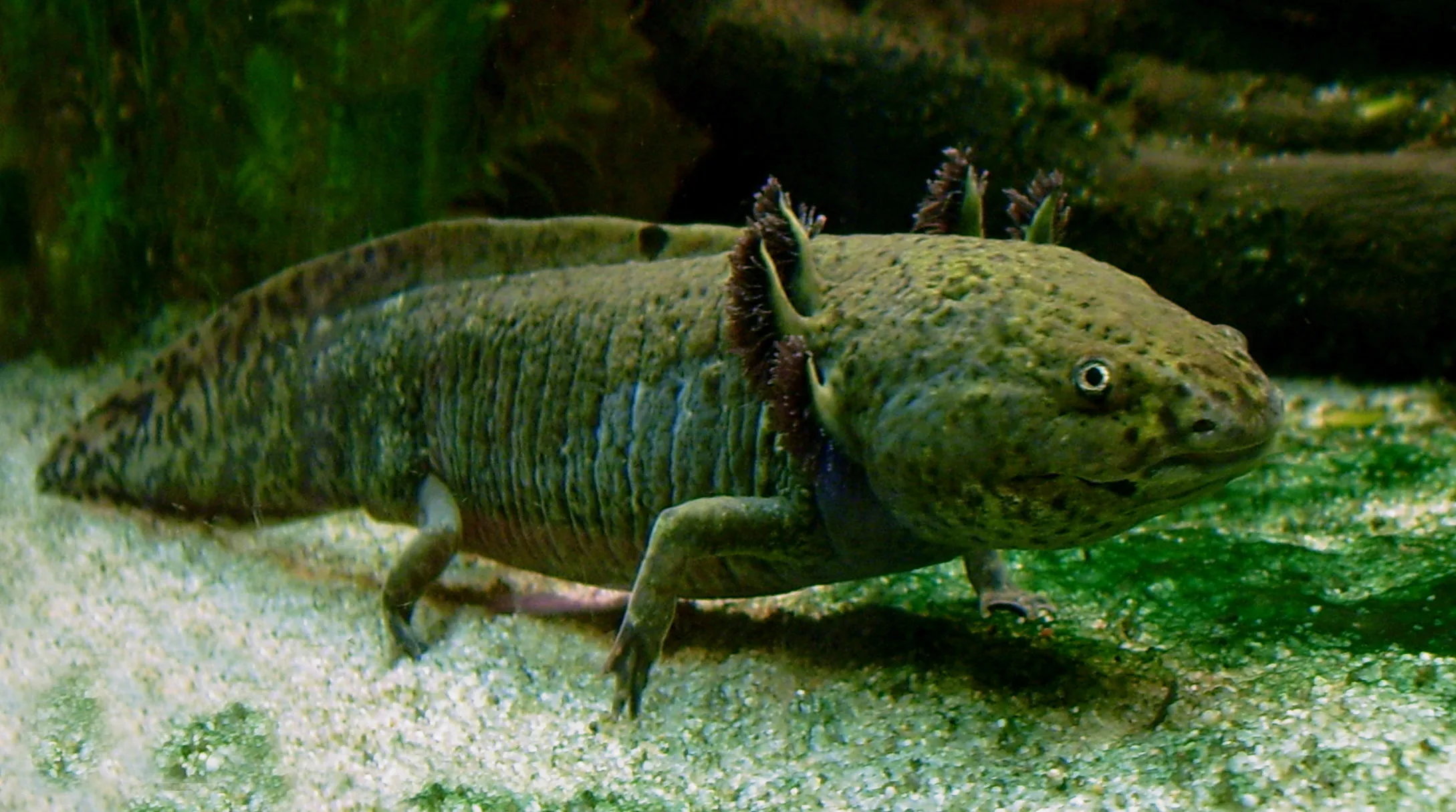 Abyssal Zone
Grimpoteuthis
It swims with ear-like fins, almost as if flying over the deep seafloor.
Learn More →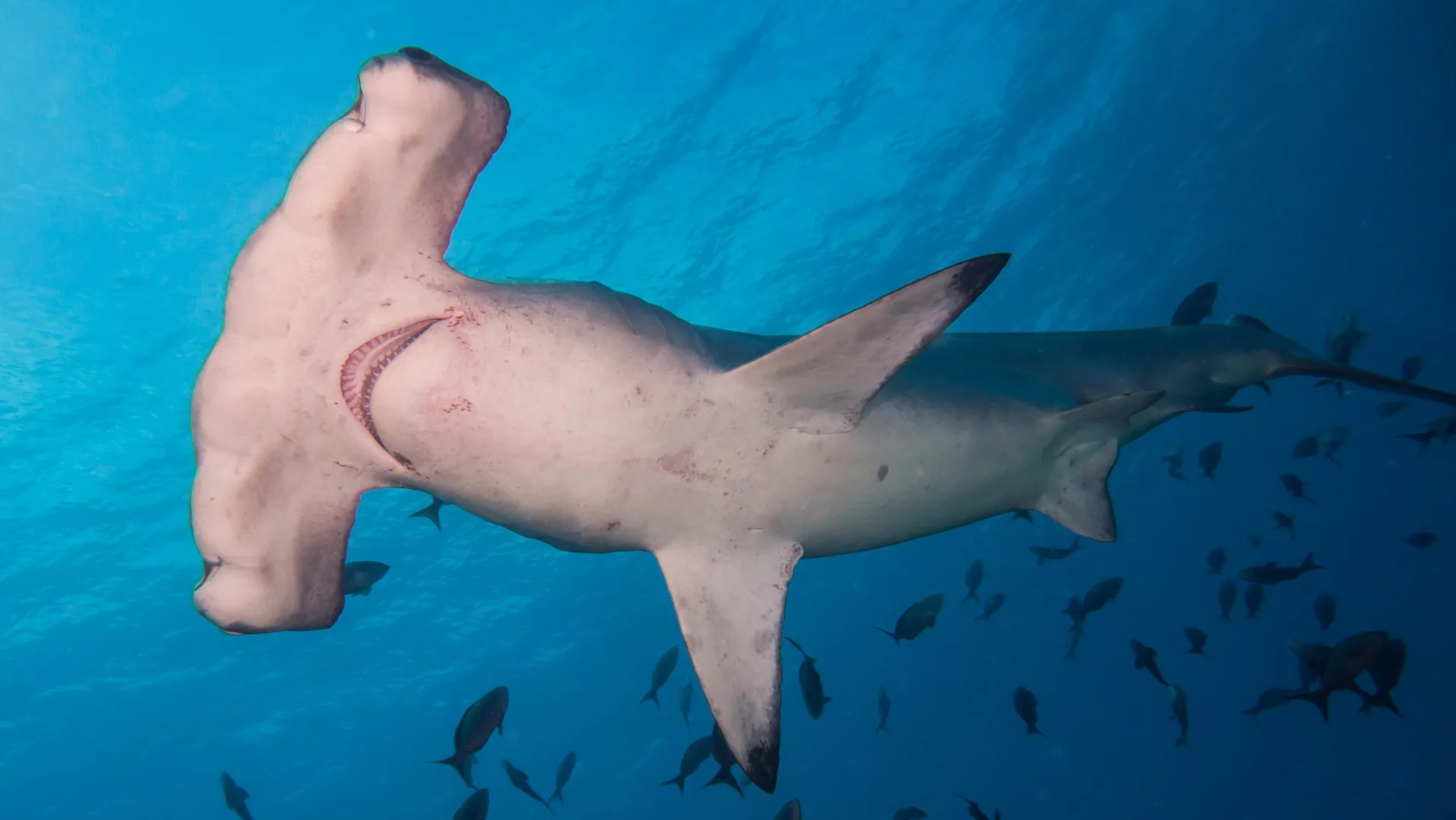 Twilight Zone
Opisthoproctidae
Its transparent head lets rotating tubular eyes look upward for prey silhouettes.
Learn More → Hadal Zone
Pseudoliparis
Snailfish have been recorded deeper than any other confirmed fish.
Learn More →The ocean has 240,000+ known marine species. You've just met 12 of them.
🎲 Generate a Random Ocean AnimalOcean Zones & Their Animals
Start in bright water, then keep going until sunlight, color, plants, and ordinary rules disappear.
The sunlight zone is where the ocean's food chain begins. Photosynthesis happens here: phytoplankton convert sunlight into energy, feeding everything from tiny krill to the largest animal that has ever lived on Earth. This 200-meter layer contains most marine life people recognize, and everything below depends on what happens here.
The sunlight zone is the engine of the ocean. Phytoplankton absorb enormous amounts of carbon and help produce roughly half the oxygen in Earth's atmosphere. Every second breath you take is connected to sea animals only because microscopic ocean life made that oxygen first.
Below 200 meters, sunlight fades to a dim blue glow. Sea animals here need to be hidden from above and below at the same time. Evolution's answers include transparent bodies, red bodies that vanish in blue light, counter-illumination, huge eyes, and self-made light.
Every night, billions of lanternfish, squid, shrimp, and other sea animals rise toward the surface to feed, then sink again before sunrise. This daily vertical migration moves carbon through the ocean and helps power the biological pump.
No sunlight. No photosynthesis. No plants. The midnight zone is powered by what falls from above: dead organisms, fecal matter, shed skin, and drifting particles called marine snow. Sea animals here evolved under crushing pressure, near-freezing water, and total darkness.
When a whale dies and sinks, its body can support deep-sea animals for decades. Scavengers remove soft tissue, invertebrates colonize bone, and bacteria eventually power a chemical ecosystem. One death becomes a long, dark city of life.
The abyssal zone covers more of Earth than most named habitats, yet it remains largely unknown. Pressure is hundreds of times higher than at the surface. Temperature hovers just above freezing. Food is rare. Life here is not dramatic in the usual way. It is patient.
Many deep-sea invertebrates grow larger than their shallow-water relatives, a pattern called abyssal gigantism. Cold temperatures, slow metabolism, pressure, and food scarcity may all play a role, but the full explanation is still unsettled.
The hadal zone exists in ocean trenches, the deepest scars in Earth's crust. The Mariana Trench reaches more than 11 kilometers down. If Mount Everest sat at the bottom, its summit would still be underwater. And yet sea animals live there.
The deepest ocean is still less familiar than many places beyond Earth. Each new trench survey finds life arranged under rules that would seem impossible at the surface. The biggest unknown on Earth is not above us. It is below us.
Under Threat
The ocean absorbs most of the excess heat from climate change and a large share of human CO2 emissions. It is paying the price for the entire planet.
🎲 Meet an Ocean Animal →1°C
surface warming can drive mass coral bleaching
50%
rough estimate of coral reef decline over recent decades
8 million tons
plastic waste entering the ocean each year, often cited globally
Ocean acidification changes seawater chemistry for corals, oysters, pteropods, and sea urchins. Warming shifts krill away from old whale routes. Plastic bags look like jellyfish to leatherback turtles. Every species faces a different version of the same crisis: the ocean they evolved for is changing around them.
Source context: NOAA Ocean Exploration: ocean exploration status, UNESCO Ocean literacy: ocean surface coverage, World Register of Marine Species, NOAA Ocean Service: oxygen and phytoplankton context, IPCC ocean heat and carbon context, NOAA Marine Debris Program. Figures should be reviewed during quarterly content updates.
Generator Links
One click. Could be a blue whale. Could be a transparent deep-sea fish you have never heard of. That is the point.
Generate Now →Coral reef? Deep sea? Hadal trench? Filter by the exact depth you are curious about.
Explore by Zone →What if a great white shark merged with an anglerfish? What would hunt in total darkness?
Open the hybrid generatorTry Hybrid Generator →FAQ
The ocean is home to about 240,000 formally known marine species, including whales, dolphins, seals, sharks, tuna, anglerfish, octopuses, squid, crustaceans, jellyfish, sea turtles, corals, and countless invertebrates. Scientists expect many more sea animals remain undiscovered.
The blue whale (Balaenoptera musculus) is the largest ocean animal and the largest animal ever known to have existed. It can reach about 30 meters in length and weigh well over 100 metric tons.
Box jellyfish, blue-ringed octopuses, some sharks, stonefish, and cone snails are among the most dangerous ocean animals to humans. Ecologically, orcas are apex predators with no natural predators.
Deep sea animals include anglerfish, giant squid, vampire squid, viperfish, gulper eels, barreleye fish, bioluminescent jellyfish, sperm whales, dumbo octopuses, sea cucumbers, amphipods, and pressure-adapted bacteria.
Black marlin and sailfish are often cited as the fastest ocean animals, with sailfish commonly listed near 110 km/h and black marlin sometimes estimated higher. Among marine mammals, orcas can reach about 56 km/h.
Many ocean animals are threatened by overfishing, warming seas, plastic pollution, ship strikes, noise, and habitat loss. Examples include the vaquita, North Atlantic right whale, hawksbill sea turtle, many sharks, and many reef-building corals.
Bioluminescence is light produced by living organisms through chemical reactions. Ocean animals use it to attract prey, communicate, camouflage their silhouettes, startle predators, and find mates in darkness.
Sperm whales dive to thousands of meters, leatherback sea turtles can exceed 1,000 meters, and hadal snailfish have been recorded deeper than 8,000 meters. Amphipods and microbes live even deeper in ocean trenches.
Ocean food chains begin with phytoplankton. Small animals eat plankton, larger fish and mammals eat them, and deep sea animals depend heavily on marine snow, carcasses, and whale falls drifting down from above.
About 240,000 marine species have been formally described, but estimates for total marine life are much higher. The majority of ocean species, especially deep sea animals, may still be unknown to science.