 Hot & Dry
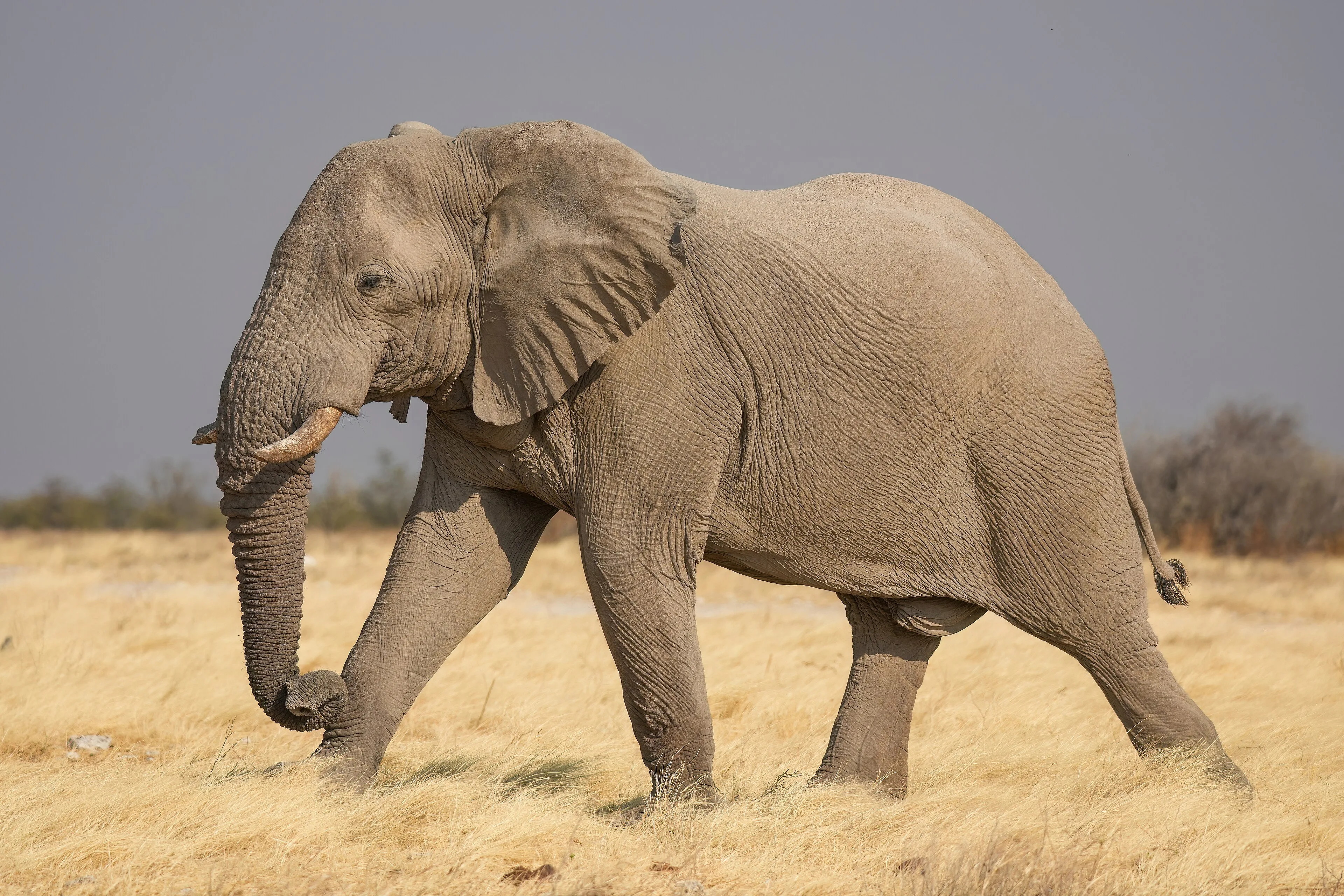
Dromedary Camel
Camelus dromedarius
The hump stores fat, not water; oxidizing that fat creates metabolic water while the animal conserves moisture everywhere else.
Learn More →🌵 Deserts cover about one-third of Earth's land surface. Ground temperatures can exceed 70°C. And yet: thousands of species call this home.
Explore desert animals ↓Habitat Hub
The harshest places on Earth. The most ingenious survivors in nature.
No water for months. Ground temperatures above 70°C at noon. Freezing cold the same night. The desert seems designed to kill, and yet desert wildlife thrives here because every survivor solved a problem that would kill most animals within hours.
🌍 33% — of Earth's land is desert or dryland
🌡️ 70°C — extreme ground temperatures are possible
🦂 4,000+ — animal species are associated with the Sahara region
Source context: DesertUSA, Britannica, Arizona-Sonora Desert Museum, NPS, IUCN, and desert ecology references.
Choose Your Desert
A Saharan fennec fox and a Gobi snow leopard both live in deserts. They have almost nothing else in common.
Sahara, Arabian
Camels, fennec foxes, scorpions
The classic desert image: dunes, rock plains, extreme heat, and long dry spells.
Sonoran, Chihuahuan
Rattlesnakes, Gila monsters, roadrunners
Seasonal rain and cactus architecture make these deserts unusually biodiverse.
Namib, Atacama
Fog beetles, geckos, brown hyenas
Ocean fog replaces rainfall, turning mist into a survival economy.
Gobi, Patagonia
Snow leopards, Bactrian camels, sandgrouse
Animals must survive both summer heat and winters that can drop below -40°C.
Salar de Uyuni, Karakum edges
Flamingos, brine shrimp, sand lizards
Sparse, mineral-heavy landscapes where only specialized life can persist.
Meet the Survivors
These animals did not just adapt to the desert. They mastered it. This desert animals list starts with 12 survival designs from hot dunes, cactus deserts, fog coasts, and cold dry mountains.
Hot & DryCamelus dromedarius
The hump stores fat, not water; oxidizing that fat creates metabolic water while the animal conserves moisture everywhere else.
Learn More →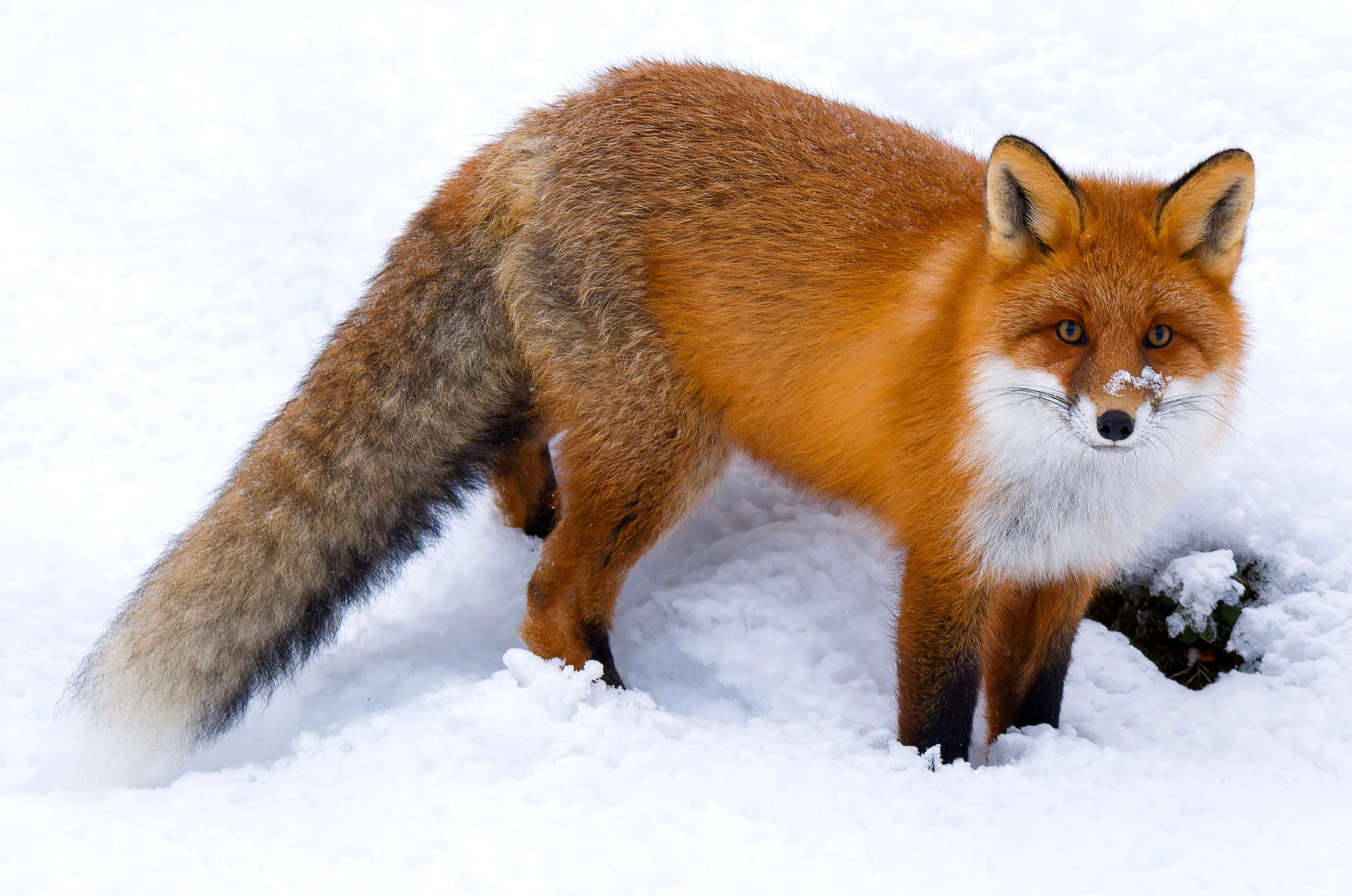 Hot & Dry
Vulpes zerda
Its oversized ears work like radiators, releasing body heat into desert air after dark.
Learn More →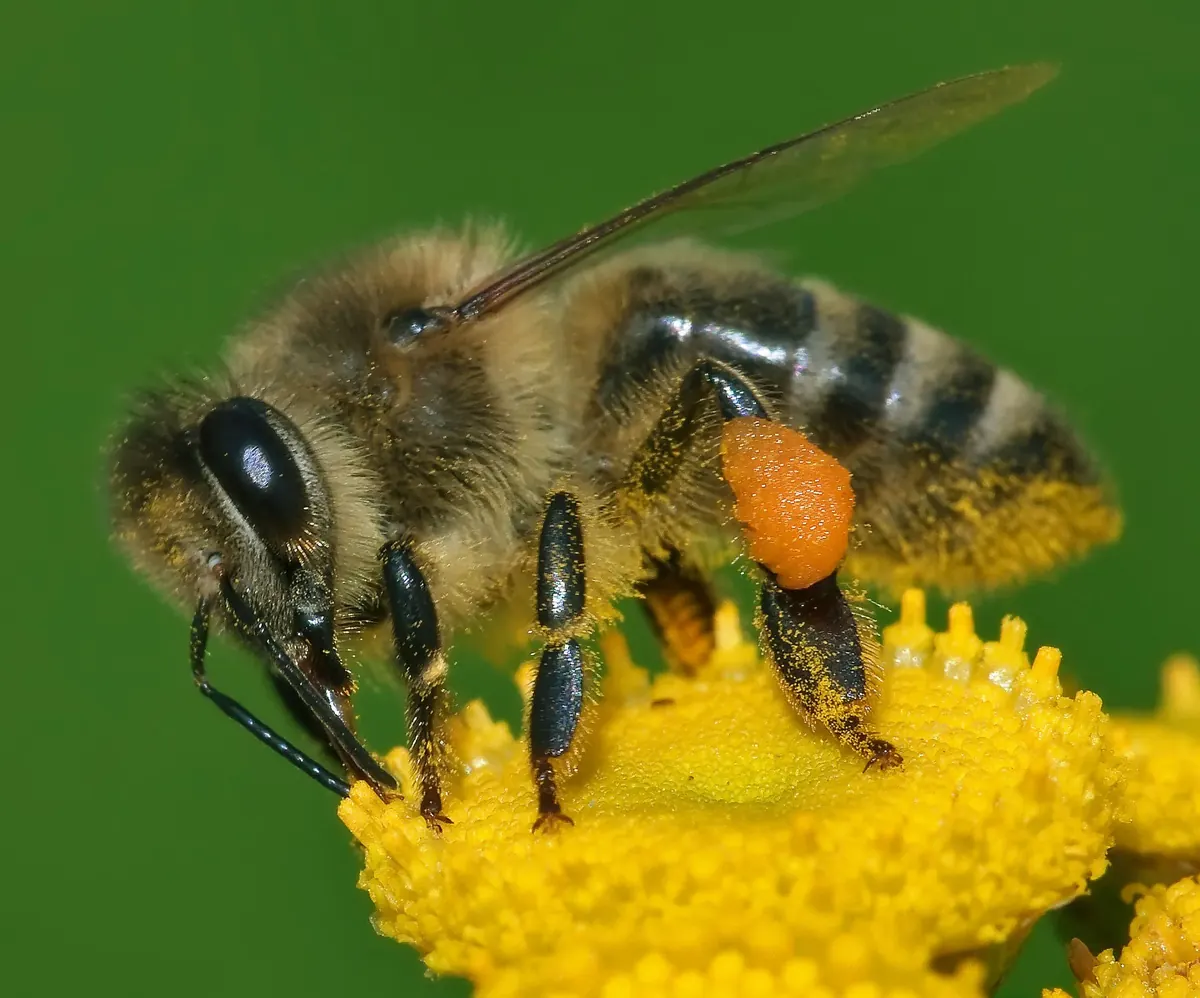 Hot & Dry
Cataglyphis bombycina
It forages during the hottest minutes of the day, when many predators have already retreated underground.
Learn More →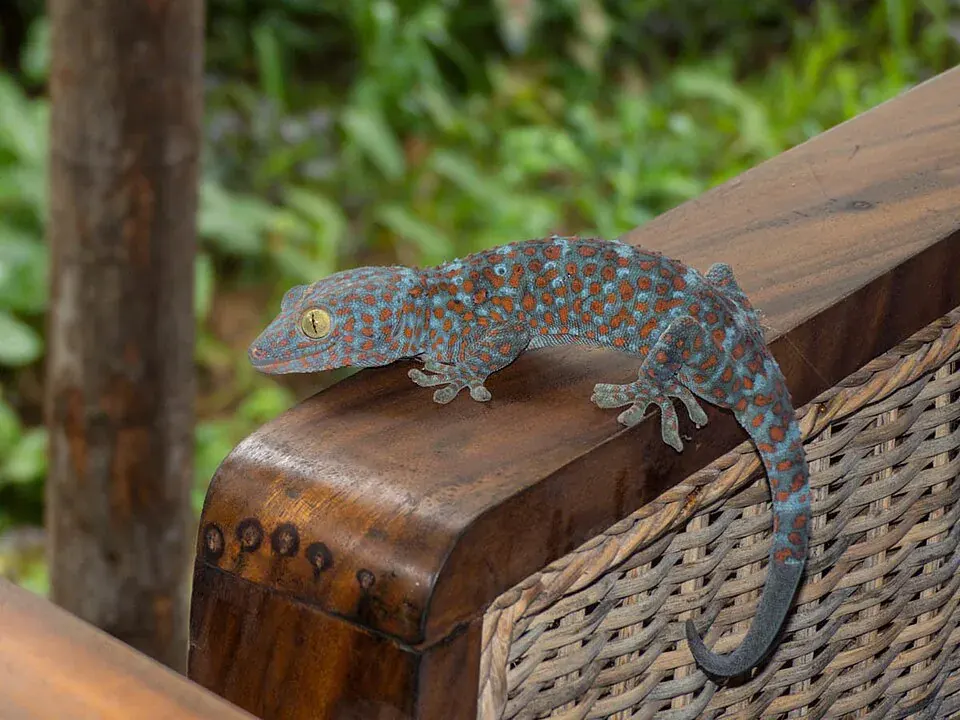 Semiarid
Heloderma suspectum
This venomous lizard stores fat in its tail and can wait through long foodless periods underground.
Learn More →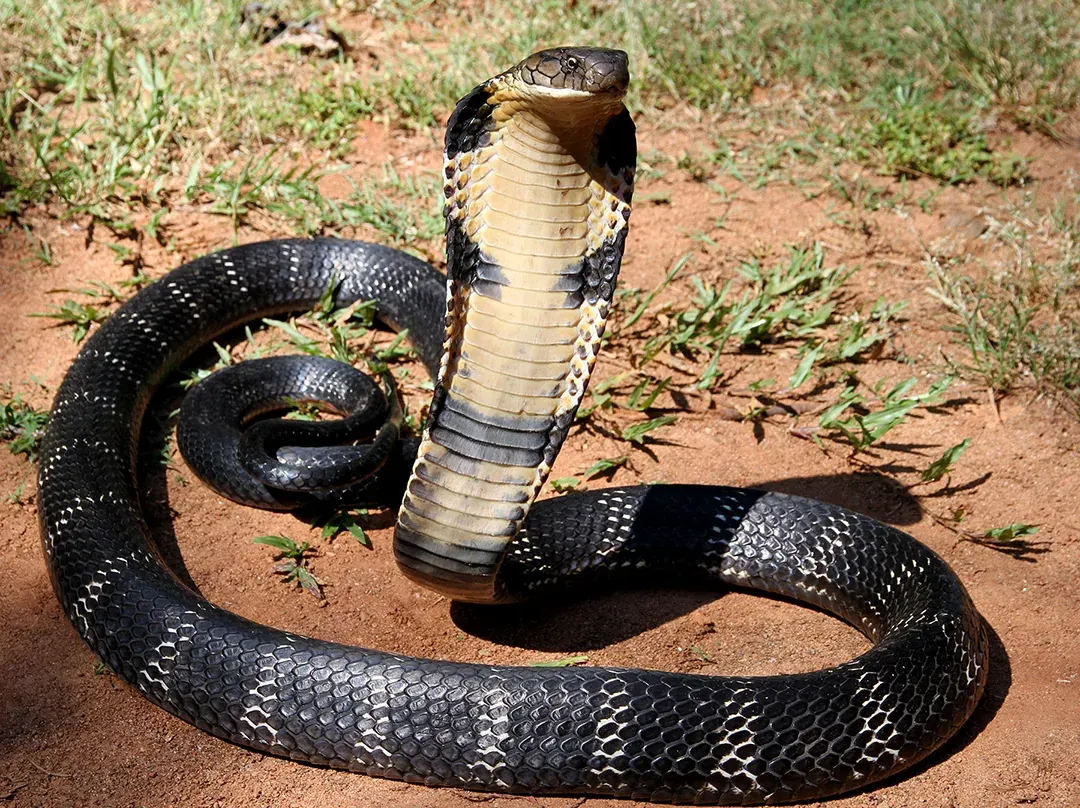 Semiarid
Crotalus cerastes
Sidewinding keeps most of the body off burning sand, turning movement itself into heat management.
Learn More → Coastal
Stenocara gracilipes
Tiny bumps and grooves on its back condense morning fog and guide droplets toward its mouth.
Learn More →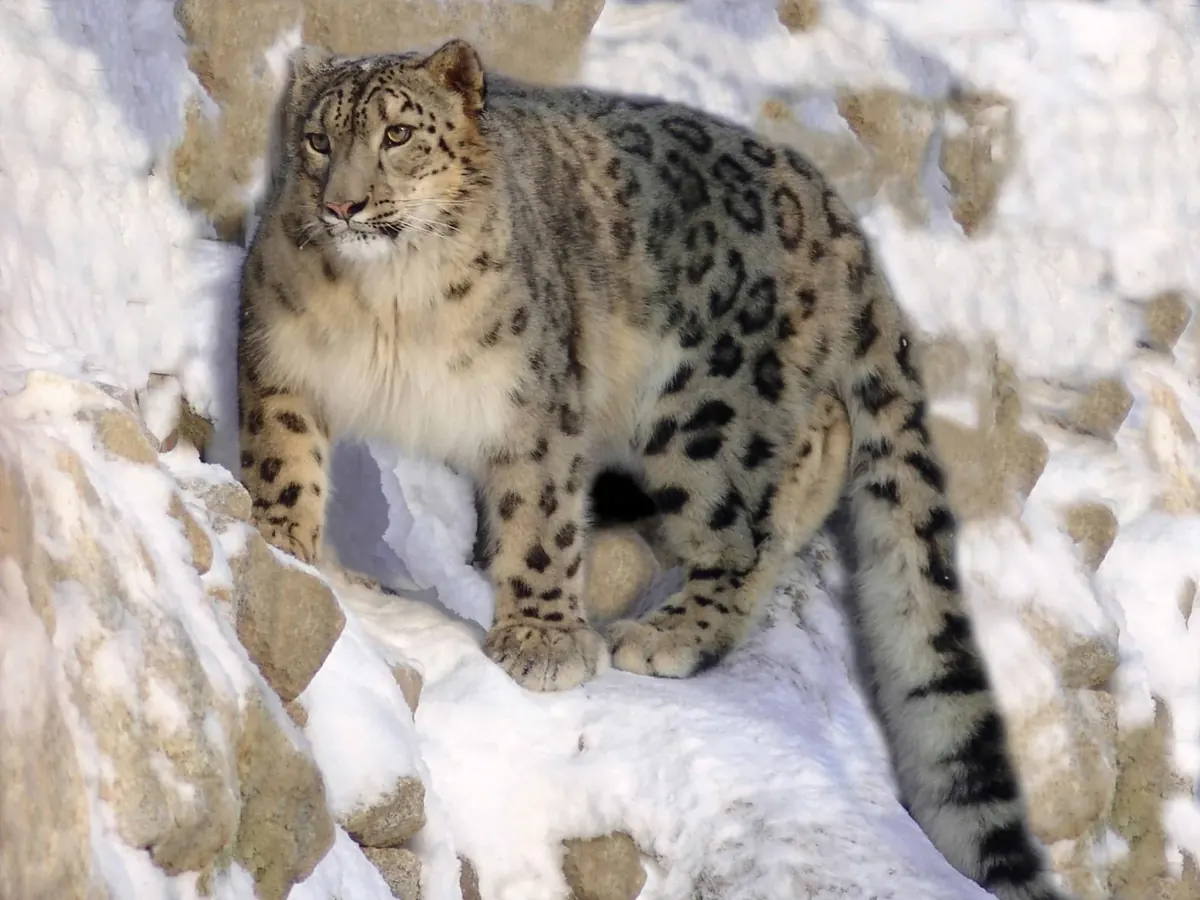 Cold
ColdPanthera uncia
In cold deserts and high dry mountains, its long tail wraps around the face like insulation.
Learn More → Cold
ColdCamelus bactrianus
Two fat-storing humps help it endure the Gobi's enormous swing from freezing winters to hot summers.
Learn More → Semiarid
Dipodomys
Some species can live without drinking, extracting enough metabolic water from dry seeds.
Learn More → Australian Desert
Moloch horridus
Microscopic channels between its spines move dew or damp sand moisture across the skin toward the mouth.
Learn More → Hot & Dry
Leiurus quinquestriatus
Its fluorescent cuticle glows under ultraviolet light, a strange signal tied to desert night behavior.
Learn More → Semiarid
Geococcyx californianus
It can hunt rattlesnakes by distracting the strike with its wings and hammering the head with its bill.
Learn More →The desert has thousands more survivors. You have just met 12.
🎲 Generate a Random Desert AnimalDesert Animal Adaptations
The desert poses three problems: too much heat, too little water, too little food. Evolution found many solutions, and arid animals often combine several at once. For speed specialists beyond desert margins, see the guide to fastest animals.
The desert's defining challenge is not heat. It is water, or the absence of it. Animals that live in the desert evolved ways to drink from seeds, fog, fat, skin, and the cooler hours of the night.
Kangaroo rats can avoid drinking by extracting water from the oxidation of seeds and by producing extremely concentrated urine.
Namib fog beetles stand into ocean mist so droplets form on raised back structures and run toward the mouth.
Camel humps store fat, not water. The deeper trick is water tolerance: oval red blood cells, variable body temperature, and very efficient kidneys.
The thorny devil can move moisture from dew, damp sand, or wet plants through capillary channels toward the mouth.
Nocturnal behavior is the simplest water-saving tool. Cooler air reduces evaporative loss for many desert wildlife species.
Desert temperatures can punish an animal twice: heat at noon, cold after sunset. Arid animals survive by controlling sunlight, distance from the ground, blood flow, and daily timing.
Fennec fox ears are packed with blood vessels, turning a small canid into a heat-shedding machine.
Sand-colored fur and scales can camouflage the animal while reflecting solar radiation.
Jerboas and many desert lizards lift the body away from ground temperatures that can exceed the air by 20-30°C.
Reptiles use morning sun, midday shelter, and evening warmth instead of fighting the desert's temperature rhythm.
At noon, the Sahara can look empty. At midnight, the desert wildlife shifts into view: foxes, scorpions, snakes, owls, spiders, and rodents take over the cooler world.
Saharan silver ants exploit a dangerous heat window when predators are least active.
Camels, gazelles, and raptors use the temperature window before the day becomes lethal.
Fennec foxes, rattlesnakes, scorpions, kangaroo rats, sand cats, and owls avoid the day's water loss almost entirely.
Large eyes, exceptional hearing, and snake heat pits turn low light into usable hunting information.
Food can be as scarce as water. Many animals that live in the desert survive through low metabolism, opportunistic diets, fat storage, and the ability to turn one successful meal into weeks of energy.
Gila monsters and camels store energy in specialized body parts, letting the rest of the body stay leaner and cooler.
Coyotes, monitors, foxes, and many desert birds eat what the desert gives: insects, eggs, carrion, fruit, rodents, reptiles, or seeds.
Scorpions, spiders, and tortoises can slow activity dramatically, making rare meals last far longer than they would in wetter habitats.
A burrow is not just a hiding place. For arid animals, it is climate control: cooler by day, warmer by night, darker, safer, and more humid than open ground.
Desert tortoises, kangaroo rats, foxes, and many reptiles retreat underground when surface heat becomes lethal.
Burrows hold more humidity than exposed desert air, reducing the water lost through breathing and skin surfaces.
Abandoned burrows become shelter for snakes, owls, insects, lizards, and small mammals, creating hidden desert neighborhoods.
Deserts have little cover. That makes defense visible: venom, armor, warning colors, spines, sand-diving, speed, and the ability to vanish into rock or shadow.
Rattlesnakes, Gila monsters, and scorpions use venom plus clear warnings to avoid expensive fights.
Tortoise shells, thorny devil spines, and scorpion exoskeletons protect bodies that cannot always run.
Sand cats, geckos, adders, and insects use color matching, burrowing, or sand-swimming to erase their outline.
Desert by Desert
Desert is not one habitat. It is a category that contains multitudes, from Saharan heat to Gobi cold and Namib fog.
The Sahara is the first place many people imagine when they search for animals that live in the desert, but its life is concentrated around rock cracks, wadis, oases, and short windows of cool air.
Only part of the Sahara is rolling sand. Much of it is stone, gravel, dry riverbed, and hidden shelter. That roughness creates microhabitats, and microhabitats are where desert animals find a margin to live.
The Sonoran Desert is one of the richest deserts on Earth. For desert animals list searches, it matters because it shows that arid land can be sparse and crowded with life at the same time.
A mature saguaro can become a water tower, nesting wall, lookout post, and apartment building. Woodpeckers open cavities that later serve owls, reptiles, insects, and mammals.
The Gobi proves that desert does not always mean heat. Animals that live in the desert here must solve heat and freezing cold in the same year.
The Gobi's annual temperature range can exceed 85°C. Its animals need summer heat solutions and winter insulation, which makes its desert wildlife fundamentally different from Saharan wildlife.
The Namib is a coastal desert where fog can matter more than rain. Its arid animals do not wait for storms. They harvest the air.
The Namib has many mornings with ocean fog and very little rain. Beetles, geckos, plants, and grazers participate in a precise fog economy.
Under Pressure
Climate change is not just warming the desert. It is shifting desert boundaries, breaking migration routes, and changing the timing of the rare rains many desert wildlife communities depend on.
🎲 Meet a Desert Animal →2× faster
many arid regions are warming faster than the global average
~950
wild Bactrian camels remain in fragmented Gobi habitat
40 only
roughly the scale of the critically rare Gobi bear population
For the addax antelope, already reduced to a tiny wild population, there is almost nowhere left to go. For the wild Bactrian camel, mining and settlement fragment the last refuge. For the desert tortoise, roads cut through territory that tortoises have crossed for millions of years. Every desert animal faces a different version of the same crisis: the desert it evolved for is changing faster than evolution can follow.
Source context: DesertUSA: desert animal adaptations, Arizona-Sonora Desert Museum: Sonoran Desert ecology, Britannica: Sahara, Gobi, and Namib desert context, IUCN Red List: desert species conservation status, National Park Service: desert tortoise and arid ecosystems, Treehugger: notable desert animals and fog harvesting context. Conservation numbers should be reviewed during quarterly content updates.
Generator Links
One click. Could be a camel. Could be an ant that walks on 70°C ground and survives. That is the point.
Generate Now →Sahara? Sonoran? Gobi? Filter by the exact desert you are curious about.
Explore by Desert →What if a camel merged with a scorpion? What if a fennec fox had a rattlesnake's heat sensors?
Open the hybrid generatorTry Hybrid Generator →FAQ
Deserts are home to mammals such as camels, fennec foxes, and kangaroo rats; reptiles such as rattlesnakes, Gila monsters, and desert tortoises; insects and arachnids such as Saharan silver ants, fog beetles, and scorpions; and birds such as roadrunners, elf owls, and sandgrouse. Animals that live in the desert are often called xerocoles, meaning animals adapted to arid environments.
Desert animals use metabolic water from food, fog harvesting, fat oxidation, bladder storage, concentrated urine, burrows, and nocturnal behavior. Kangaroo rats can extract water from seeds, Namib beetles collect fog, camels conserve water through blood and kidney adaptations, and desert tortoises store water in the bladder.
By venom potency, the deathstalker scorpion and several desert snakes are among the most dangerous desert animals. Actual human risk depends on location, medical access, and contact frequency. Most dangerous desert wildlife avoids people unless stepped on, handled, or trapped.
Desert animal adaptations include large ears for heat loss, pale coloration, nocturnal activity, burrowing, concentrated urine, fat storage, skin channels for water movement, fog-collecting surfaces, long legs that lift the body from hot ground, and heat-tolerant proteins in specialized species such as the Saharan silver ant.
Sahara desert animals include dromedary camels, fennec foxes, addax antelopes, Saharan silver ants, deathstalker scorpions, horned vipers, sand cats, dama gazelles, desert monitors, and jerboas. The Sahara looks empty from a distance, but rocky terrain, wadis, oases, and night conditions support many animals that live in the desert.
Yes. Many desert animals are nocturnal because night activity reduces heat stress and water loss at the same time. Fennec foxes, scorpions, rattlesnakes, kangaroo rats, elf owls, sand cats, spiders, and many small mammals belong to the desert night shift.
The dromedary camel is the largest familiar animal of the Sahara and Arabian deserts, while the Bactrian camel is the largest major animal of the Gobi. In African semi-desert regions, the ostrich is the largest bird and can weigh more than many mammals.
Australian deserts host thorny devils, red kangaroos, bilbies, perentie monitors, inland taipans, marsupial moles, dunnarts, and many endemic reptiles. These animals that live in the desert are shaped by isolation, heat, low rainfall, and the continent's long evolutionary history.
No. Camel humps store fat, not water. Oxidizing that fat can produce metabolic water, but camels mainly conserve water through oval red blood cells, tolerance of dehydration, variable body temperature, dry dung, efficient kidneys, and reduced sweating.
The Sonoran Desert is often described as one of the most biodiverse deserts because it has seasonal rainfall and saguaro cactus habitat. The Sahara covers a much larger area and contains many species in total, but life is less dense because conditions are more extreme.