Animal Generator · Est. 2024
Stable WatchMammal
White-tailed Deer
白尾鹿
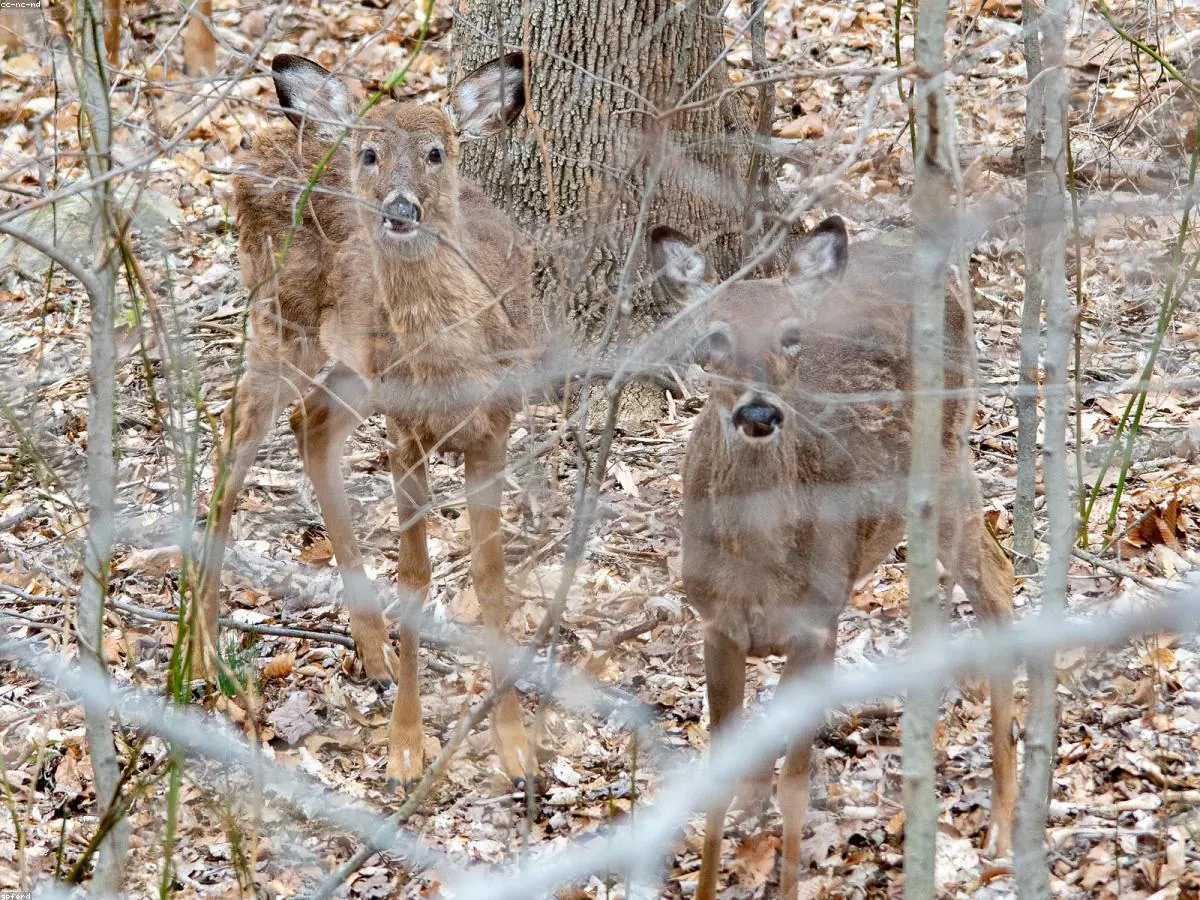
White-tailed deer browse forest edges and meadows, shifting diet with seasons and using quick bursts of speed to escape predators.
About
How white-tailed deer lives
White-tailed deer browse forest edges and meadows, shifting diet with seasons and using quick bursts of speed to escape predators. The white underside of the tail flashes as an alarm signal when a deer bounds away. Forest habitats reward animals that can climb, hide, or move quietly through layered vegetation.
Conservation
Status and habitat pressure
Stable populations still depend on habitat quality, food availability, and low human pressure. Protecting white-tailed deer also depends on keeping forest, grassland habitats healthy and connected.
Common species still depend on habitat quality, clean water, food webs, and low disturbance.
Quick Facts
Things to notice
- The white underside of the tail flashes as an alarm signal when a deer bounds away.
- Mammals often invest heavily in parenting, which shapes social behavior and learning.
- Forest habitats reward animals that can climb, hide, or move quietly through layered vegetation.
- Stable populations still depend on habitat quality, food availability, and low human pressure.