Animal Generator · Est. 2024
VulnerableMammal
Giant Panda
大熊猫
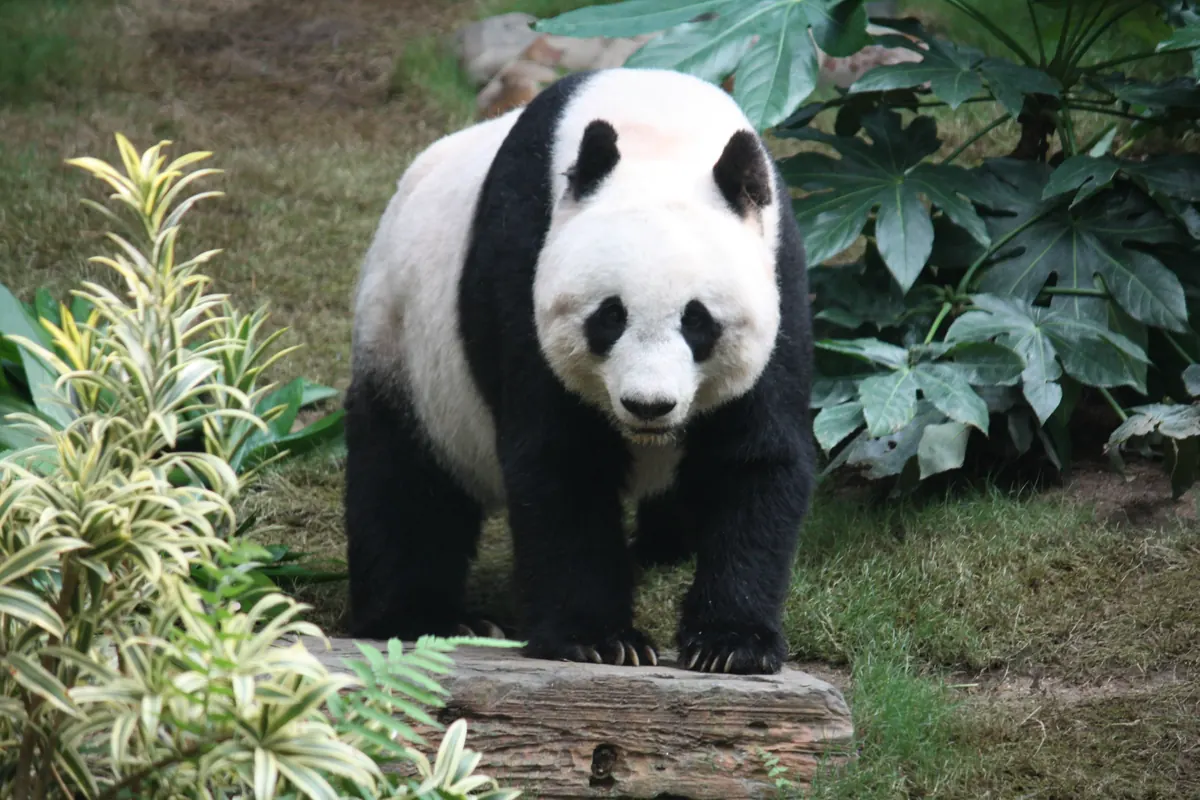
Giant pandas spend much of the day eating bamboo in cool mountain forests where dense cover offers shelter.
Forest · Large · Vulnerable
About
How giant panda lives
Giant pandas spend much of the day eating bamboo in cool mountain forests where dense cover offers shelter. Although pandas belong to the bear family, they spend much of the day feeding and moving slowly through bamboo-rich mountain forests. Pandas have a specialized wrist bone that works like a thumb for gripping bamboo. Forest habitats reward animals that can climb, hide, or move quietly through layered vegetation.
Conservation
Status and habitat pressure
Giant panda conservation has improved through reserve expansion, forest protection, and wildlife corridors that reconnect isolated mountain populations. Long-term success still depends on protecting bamboo forests from fragmentation and allowing pandas to move between habitat blocks.
Vulnerable species can decline quickly when habitat loss, climate pressure, or human conflict intensifies.
Quick Facts
Things to notice
- Pandas have a specialized wrist bone that works like a thumb for gripping bamboo.
- Mammals often invest heavily in parenting, which shapes social behavior and learning.
- Forest habitats reward animals that can climb, hide, or move quietly through layered vegetation.
- Vulnerable species face mounting risks and can decline quickly if habitats continue to shrink.