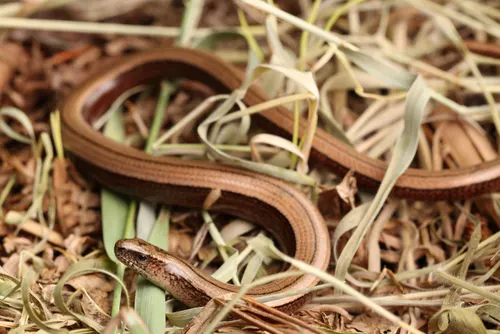
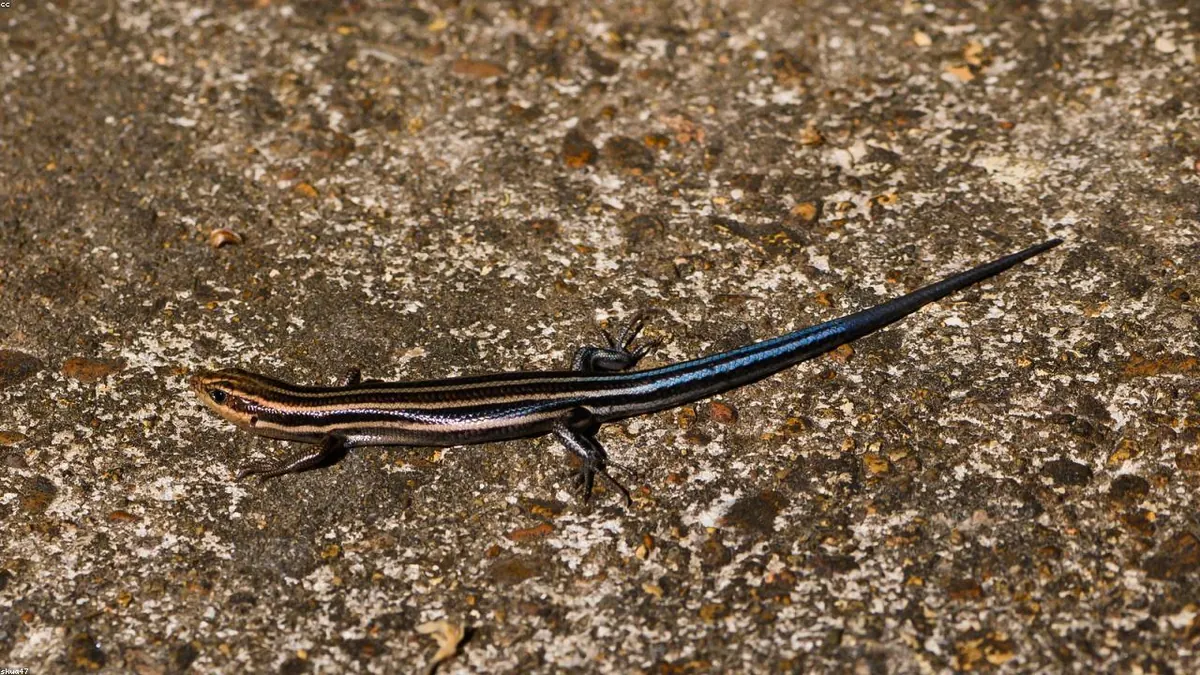
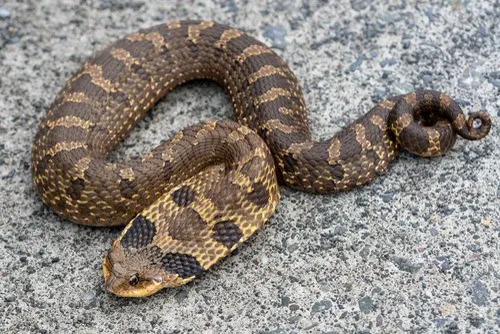
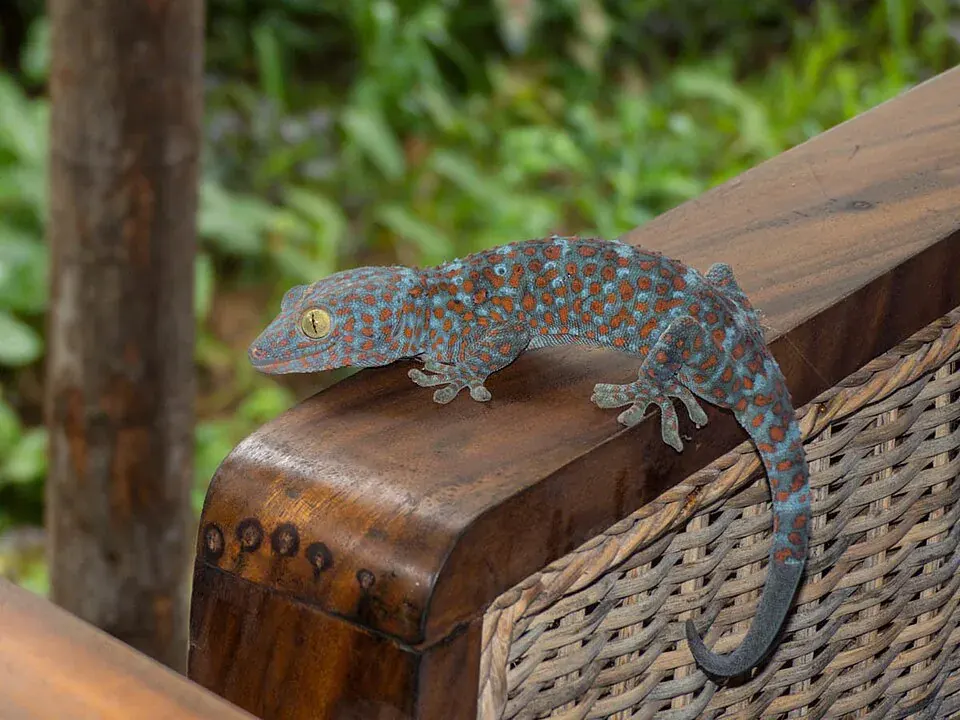
Slow worms are legless lizards that shelter in grass, compost, and woodland edges. A slow worm can shed its tail to escape a predator. Forest habitats reward animals that can climb, hide, or move quietly through layered vegetation.
Conservation
Status and habitat pressure
Stable populations still depend on habitat quality, food availability, and low human pressure. Protecting slow worm also depends on keeping forest, grassland habitats healthy and connected.
Common species still depend on habitat quality, clean water, food webs, and low disturbance.
Quick Facts
Things to notice
A slow worm can shed its tail to escape a predator.
Scales help reptiles reduce water loss and protect their bodies in harsh terrain.
Forest habitats reward animals that can climb, hide, or move quietly through layered vegetation.
Stable populations still depend on habitat quality, food availability, and low human pressure.