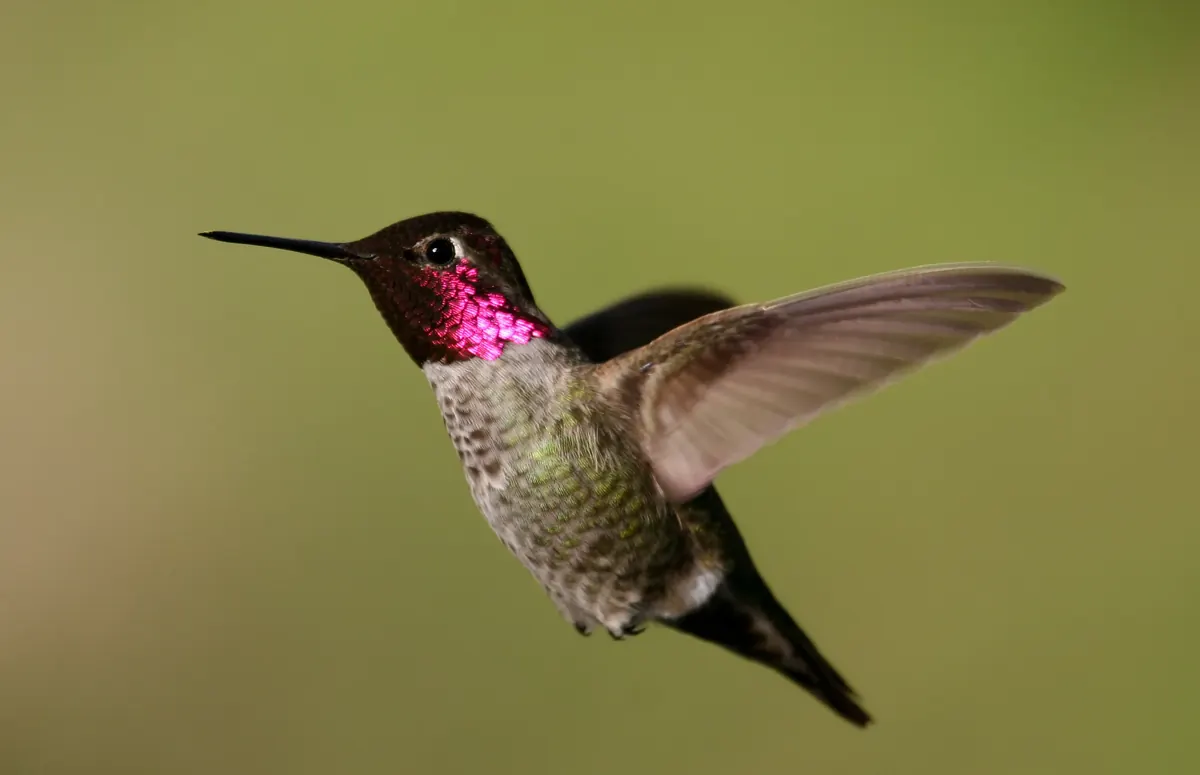
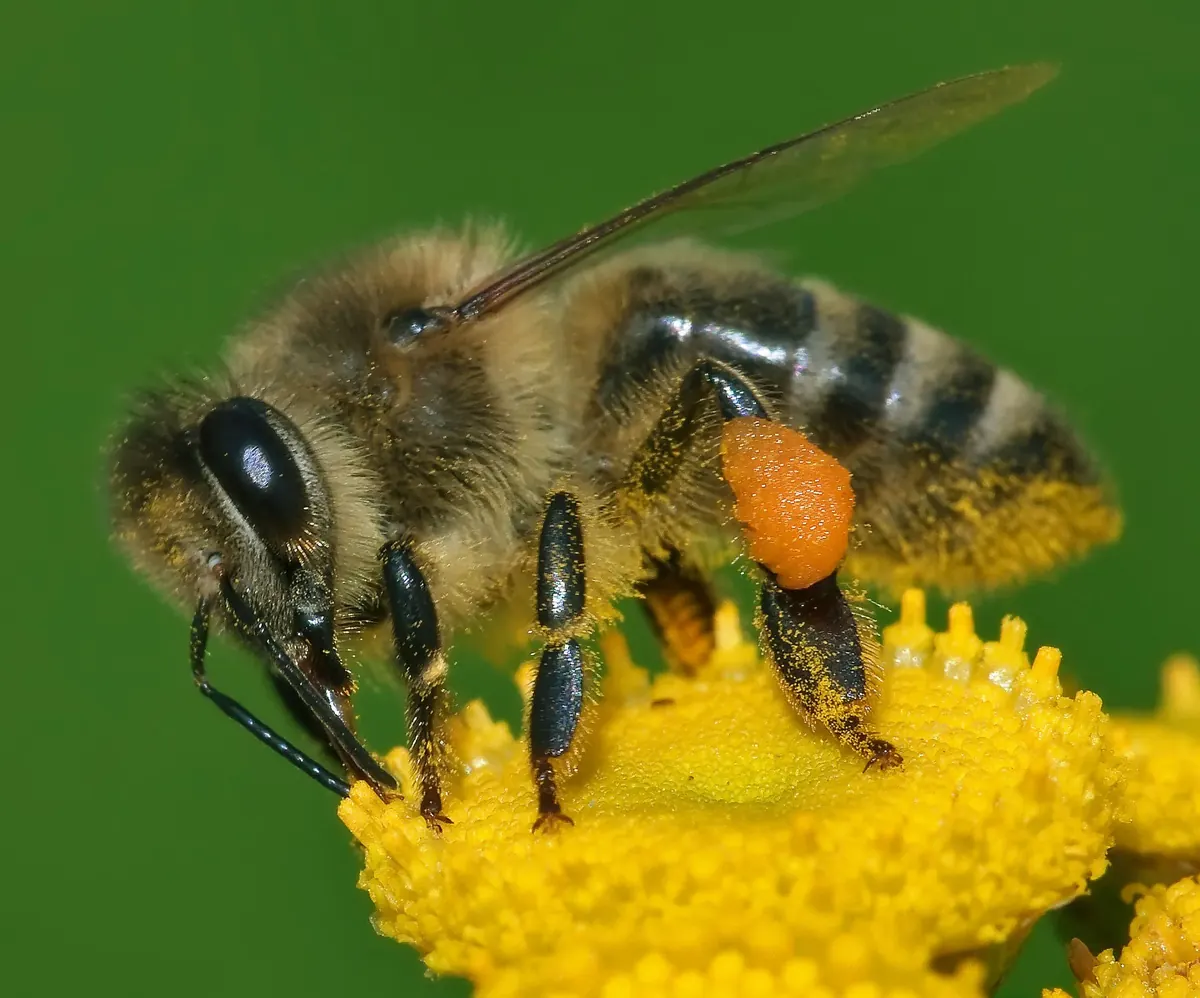
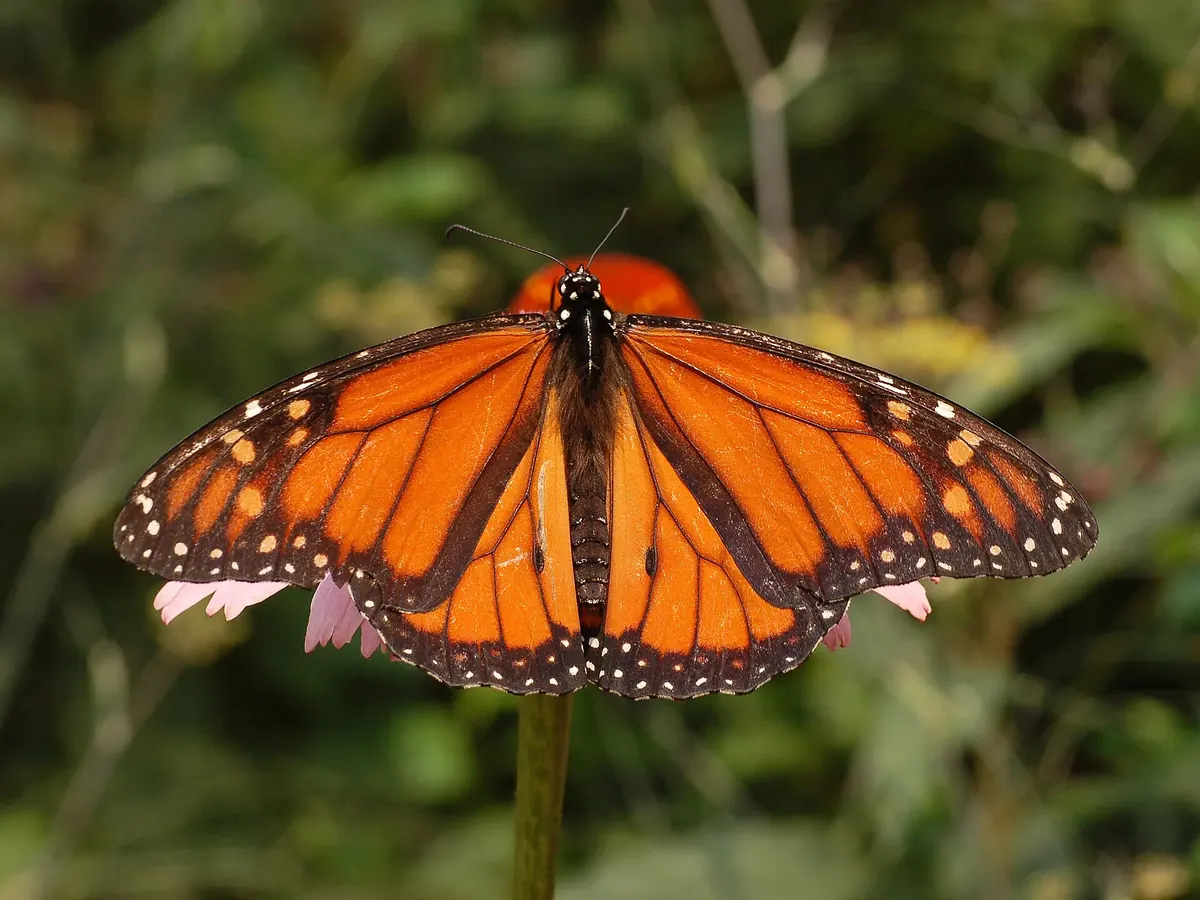
Hummingbirds are tiny, high-energy pollinators that hover precisely while feeding from flowers. Their fast metabolism means they feed often, visiting flowers throughout the day and helping move pollen between plants. Hummingbirds can flap their wings dozens of times each second. Forest habitats reward animals that can climb, hide, or move quietly through layered vegetation.
Conservation
Status and habitat pressure
Hummingbirds benefit from habitat with reliable flowers and nesting cover, but some species are vulnerable to climate shifts, pesticide use, and the loss of native plant communities. Pollinator-friendly landscapes support both food supply and migration.
Common species still depend on habitat quality, clean water, food webs, and low disturbance.
Quick Facts
Things to notice
Hummingbirds can flap their wings dozens of times each second.
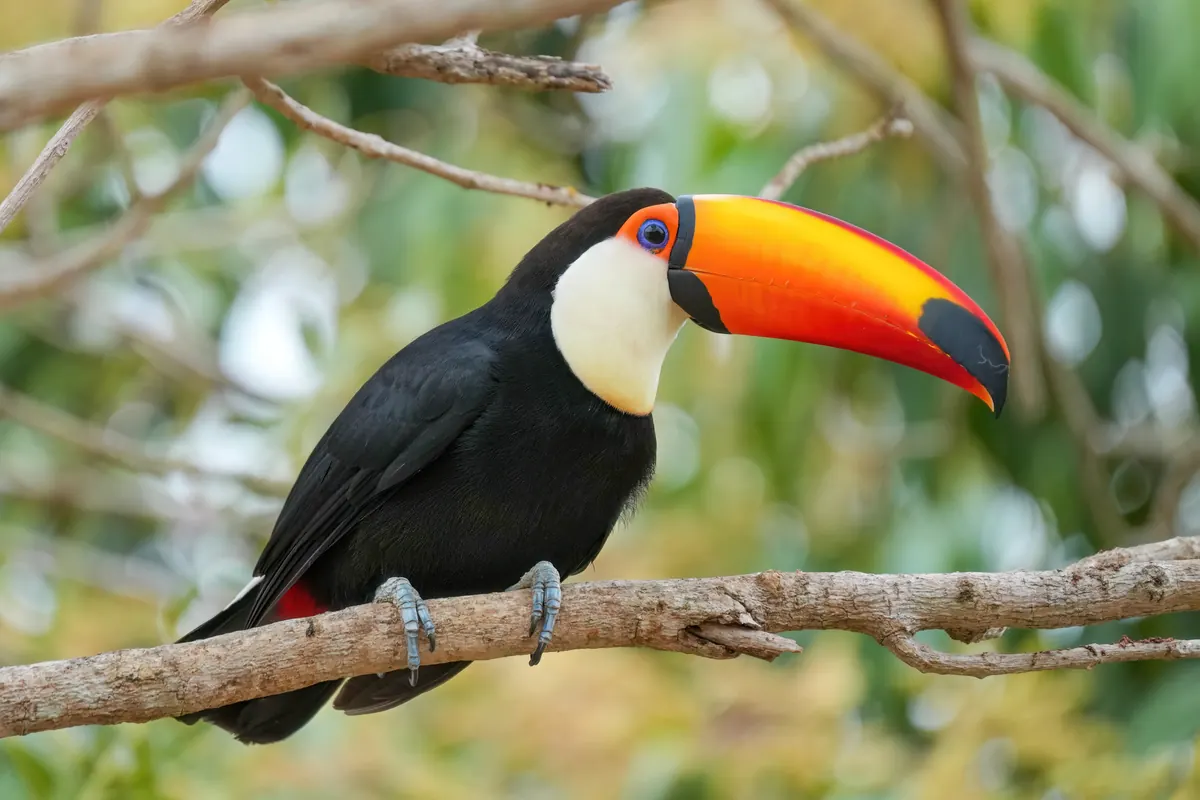
Feathers serve many jobs at once, including insulation, waterproofing, signaling, and flight control.
Forest habitats reward animals that can climb, hide, or move quietly through layered vegetation.
Stable populations still depend on habitat quality, food availability, and low human pressure.