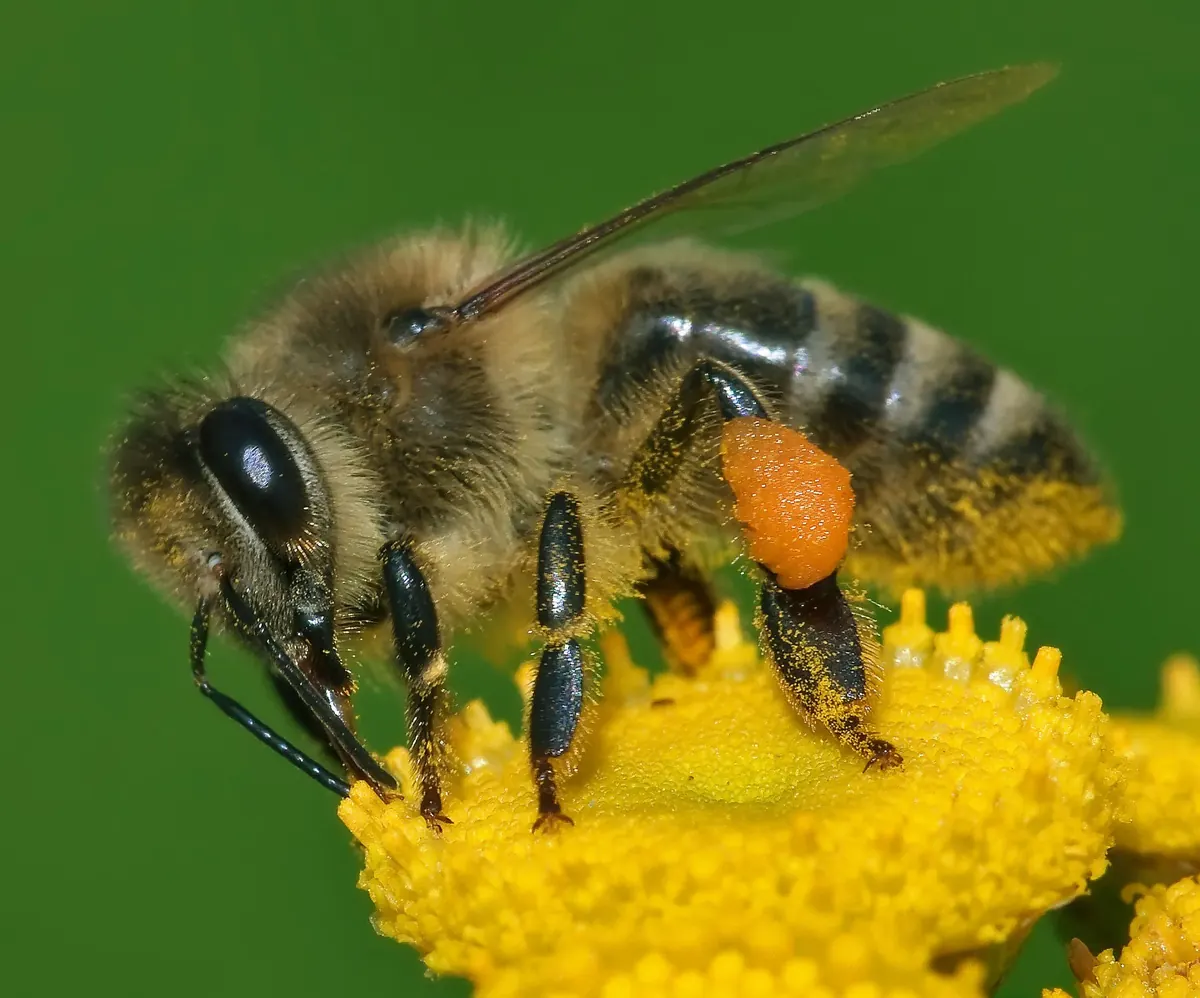
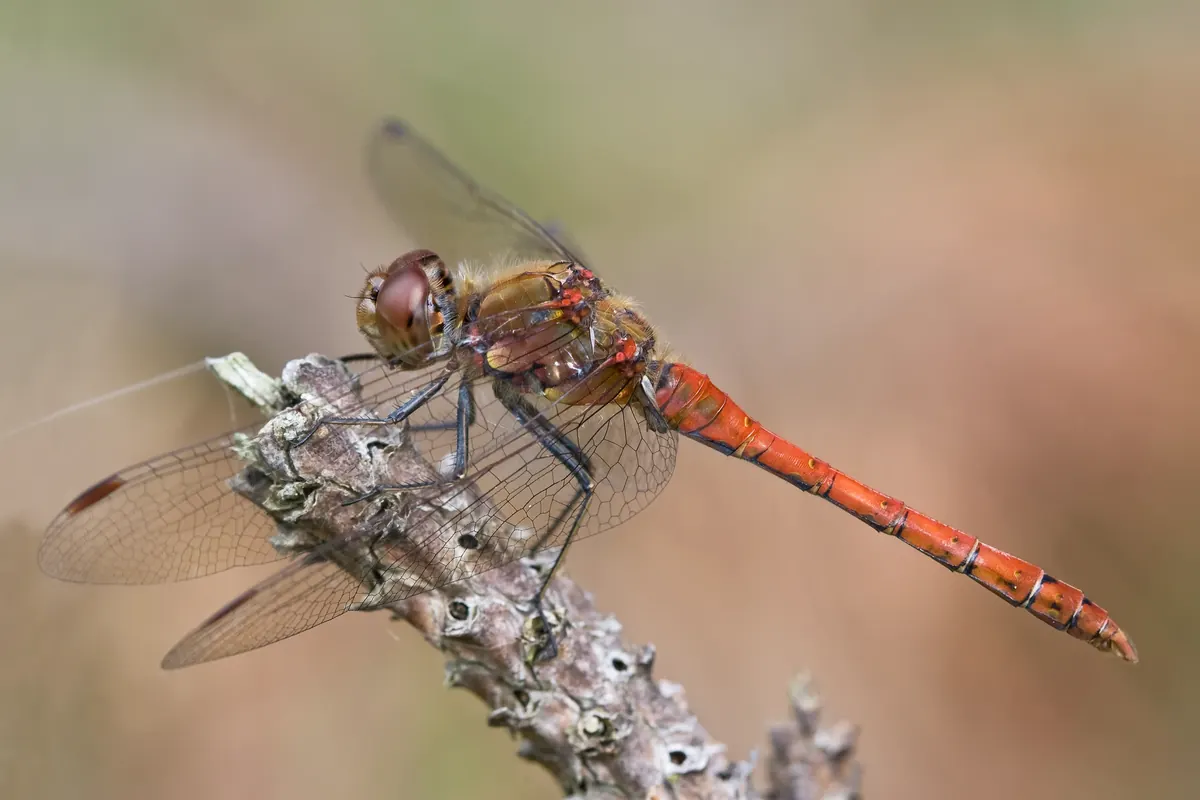
Honeybees are social pollinators that connect flowering plants, farms, and wild ecosystems. Workers coordinate with scent and dance signals, and colonies play a major role in pollinating crops and wild plants. Honeybees use a waggle dance to communicate the direction of rich food sources. Grassland species rely on visibility, group coordination, and seasonal migration to survive.
Conservation
Status and habitat pressure
Honeybees are managed widely, but pollinators still face pressure from pesticides, disease, parasites, and simplified landscapes. Diverse flowering habitat and careful chemical use help support healthier colonies.
Common species still depend on habitat quality, clean water, food webs, and low disturbance.
Quick Facts
Things to notice
Honeybees use a waggle dance to communicate the direction of rich food sources.
Insects are among the most diverse animals on Earth, filling roles from pollination to decomposition.
Grassland species rely on visibility, group coordination, and seasonal migration to survive.
Stable populations still depend on habitat quality, food availability, and low human pressure.