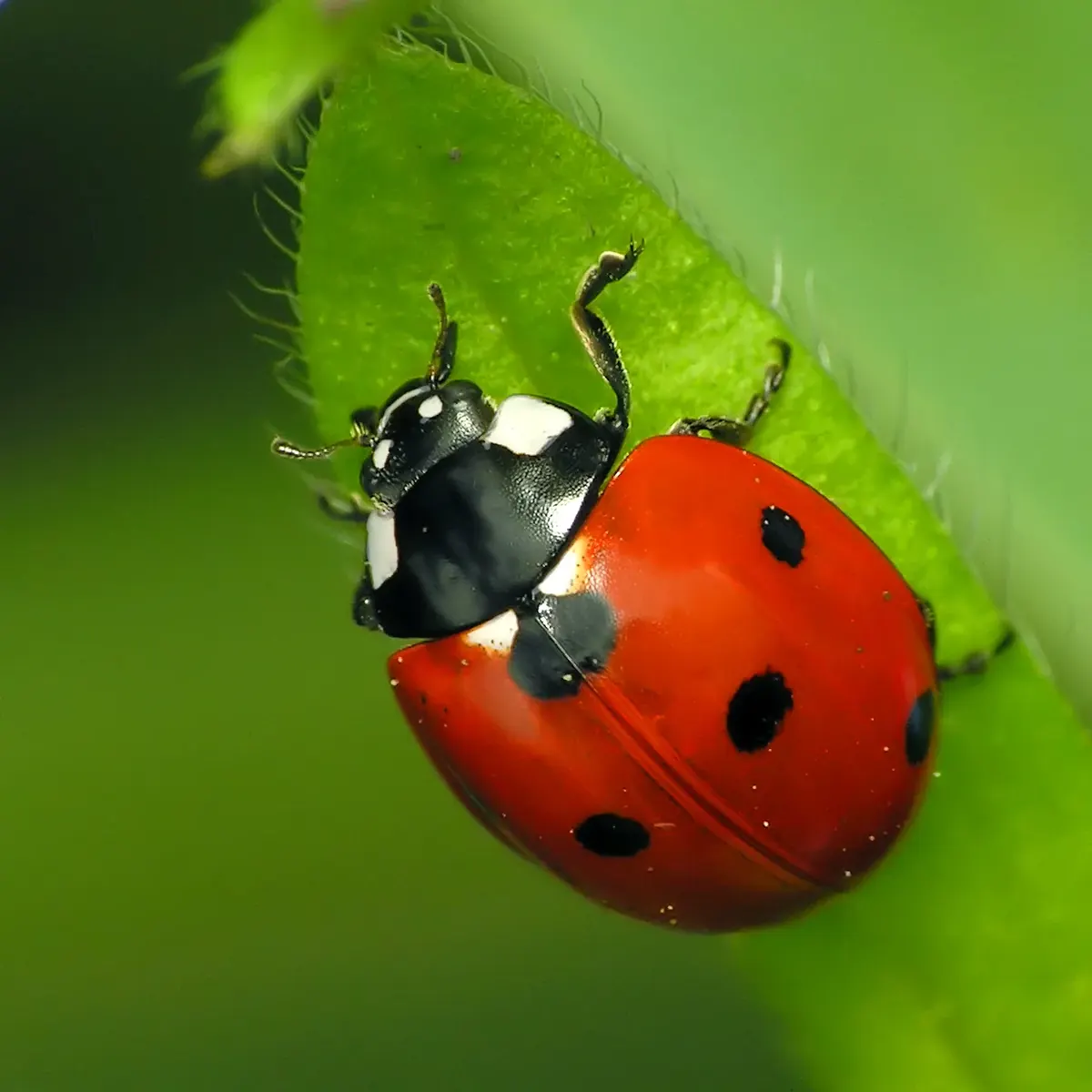
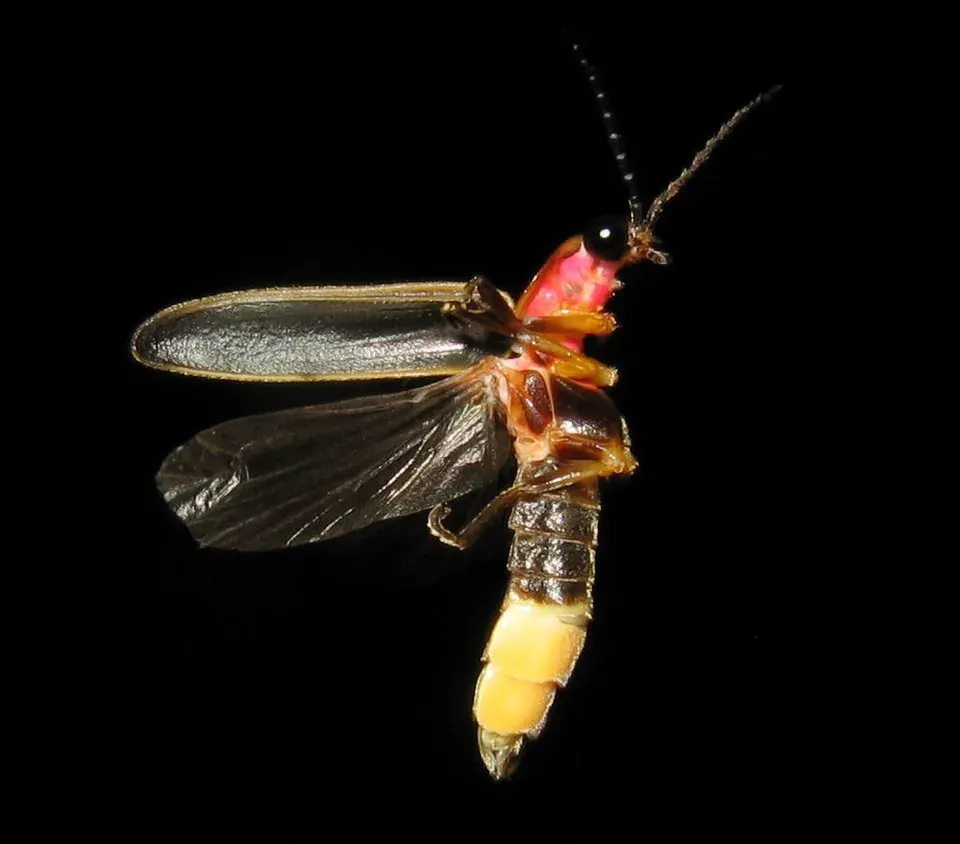
Ladybugs are small beetles that help control aphid populations in gardens and wild plant communities. Ladybugs help suppress plant pests such as aphids, which is why they are valued in farms, orchards, and gardens. Many ladybugs release a bitter-smelling fluid when threatened. Grassland species rely on visibility, group coordination, and seasonal migration to survive.
Conservation
Status and habitat pressure
Many ladybugs remain common, but pesticide use, loss of plant diversity, and shifts in agricultural landscapes can reduce beneficial insect communities. Protecting diverse vegetation supports both ladybugs and the ecosystems they help balance.
Common species still depend on habitat quality, clean water, food webs, and low disturbance.
Quick Facts
Things to notice
Many ladybugs release a bitter-smelling fluid when threatened.
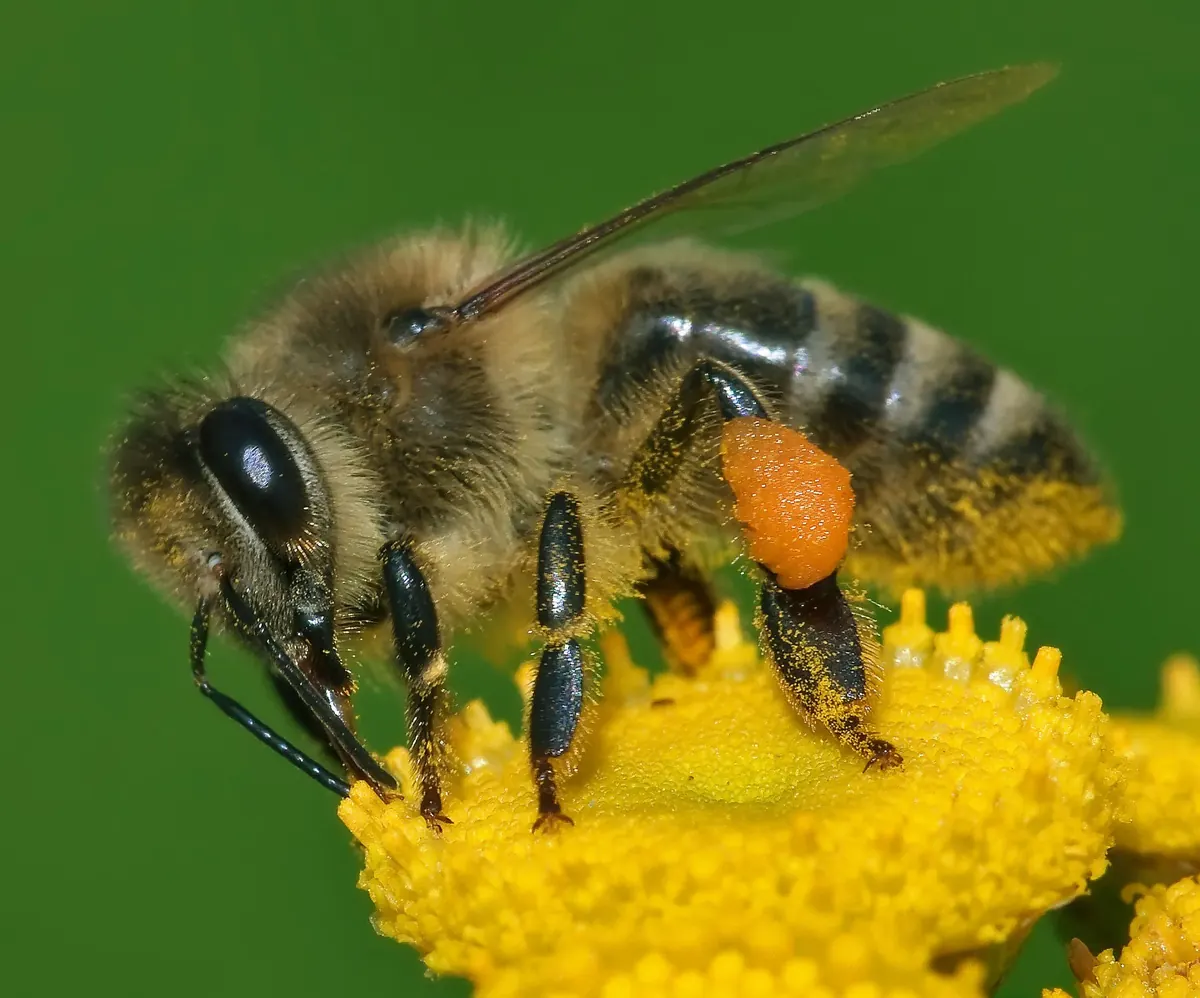
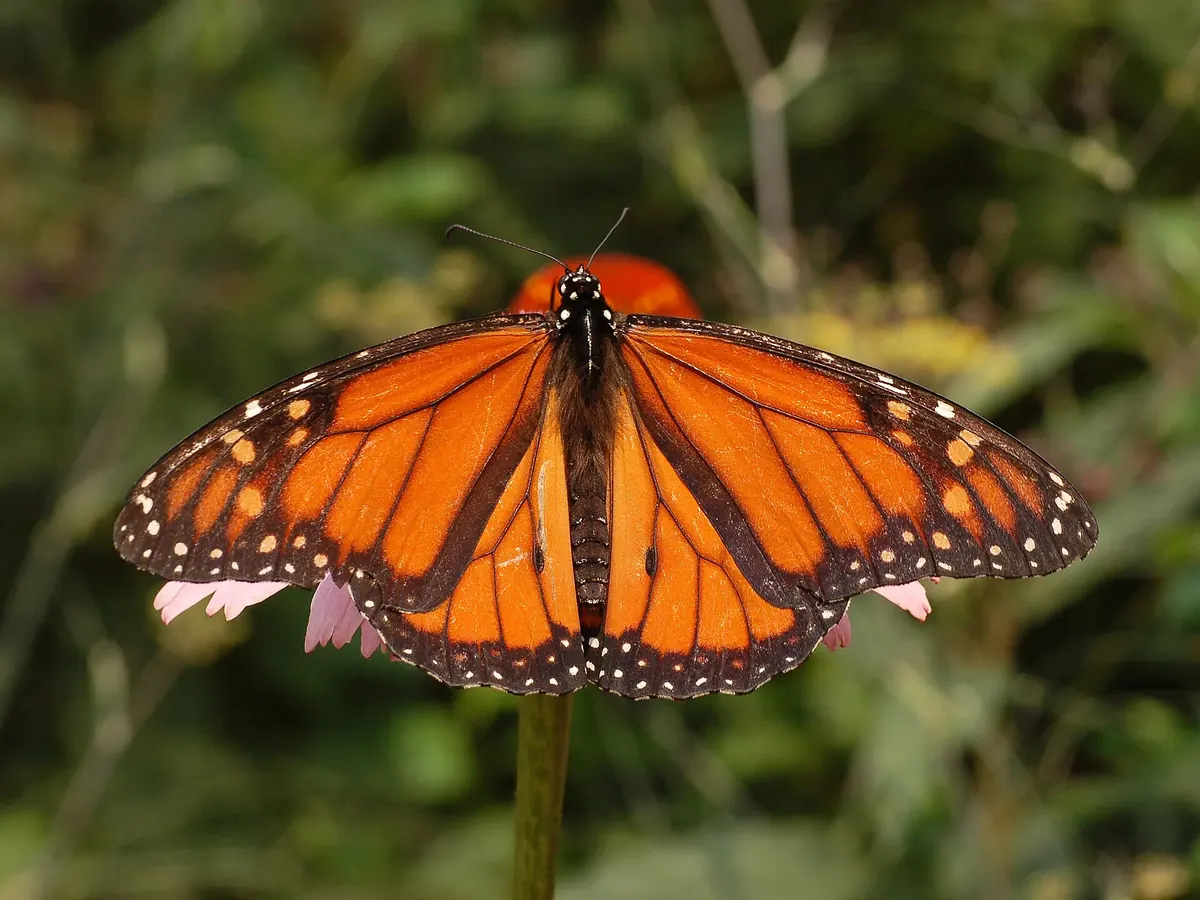
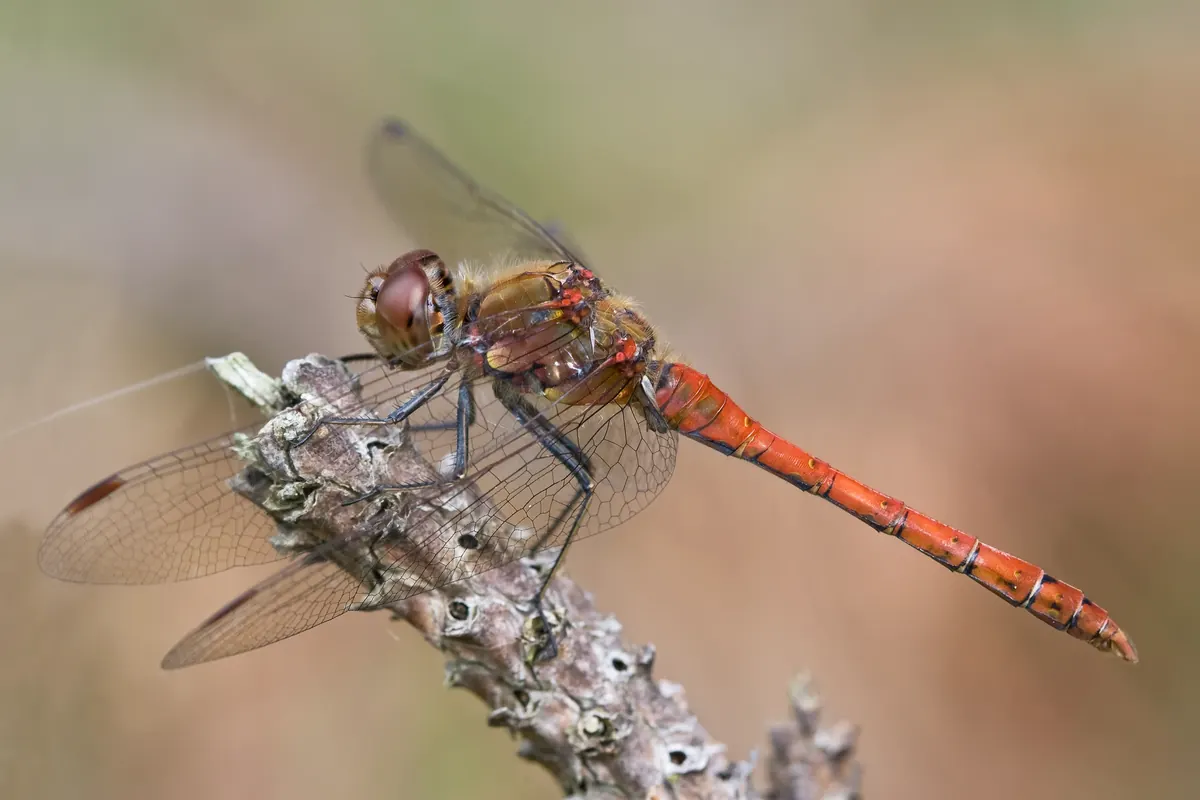
Insects are among the most diverse animals on Earth, filling roles from pollination to decomposition.
Grassland species rely on visibility, group coordination, and seasonal migration to survive.
Stable populations still depend on habitat quality, food availability, and low human pressure.