Animal Generator · Est. 2024
VulnerableReptile
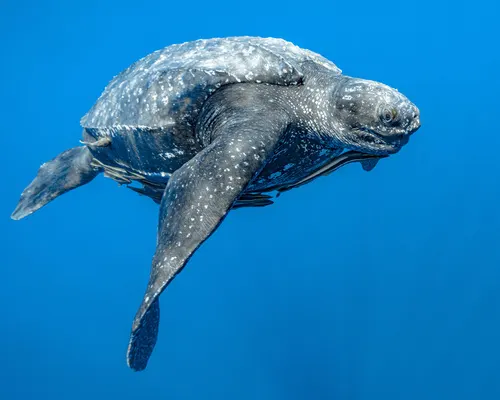
Leatherback Turtle
棱皮龟
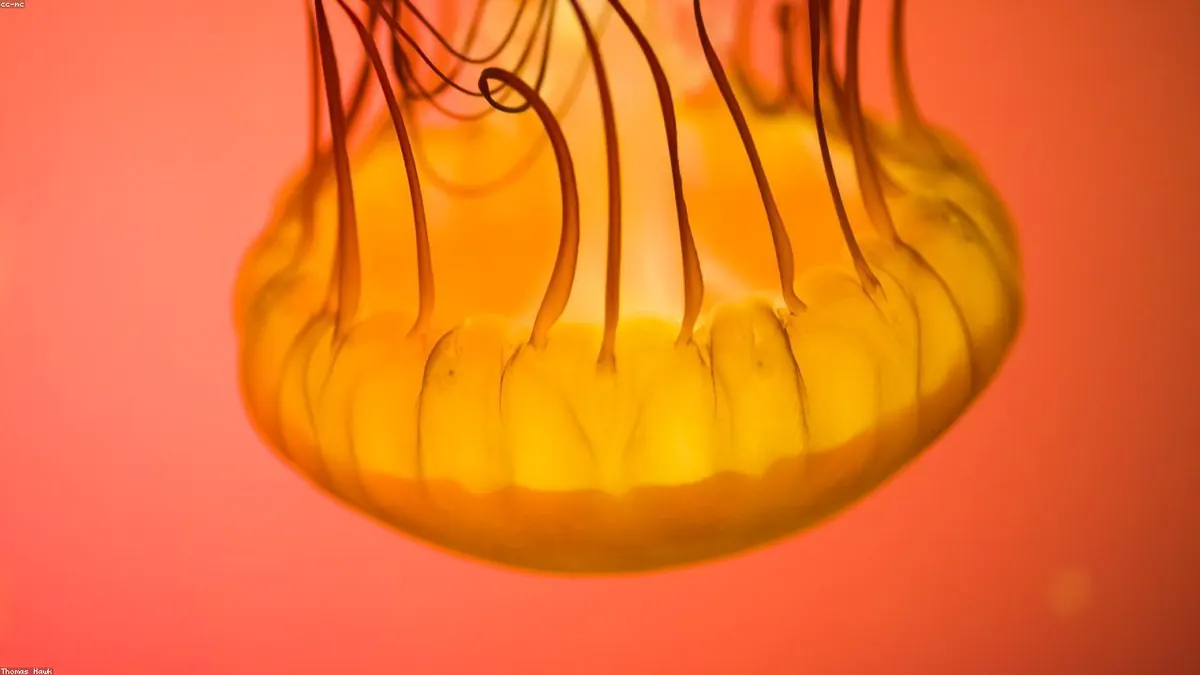
Leatherback turtles cross open oceans and feed heavily on jellyfish before returning to nesting beaches.
Ocean · Large · Vulnerable
About
How leatherback turtle lives
Leatherback turtles cross open oceans and feed heavily on jellyfish before returning to nesting beaches. The leatherback is the largest living turtle and has a flexible leathery shell. Ocean animals navigate three-dimensional space, pressure, and constantly shifting currents.
Conservation
Status and habitat pressure
Vulnerable species face mounting risks and can decline quickly if habitats continue to shrink. Protecting leatherback turtle also depends on keeping ocean, coast habitats healthy and connected.
Vulnerable species can decline quickly when habitat loss, climate pressure, or human conflict intensifies.
Quick Facts
Things to notice
- The leatherback is the largest living turtle and has a flexible leathery shell.
- Many reptiles conserve energy well and can remain still for long periods before a quick burst of movement.
- Ocean animals navigate three-dimensional space, pressure, and constantly shifting currents.
- Vulnerable species face mounting risks and can decline quickly if habitats continue to shrink.