Animal Generator · Est. 2024
Stable WatchReptile
Crocodile
鳄鱼
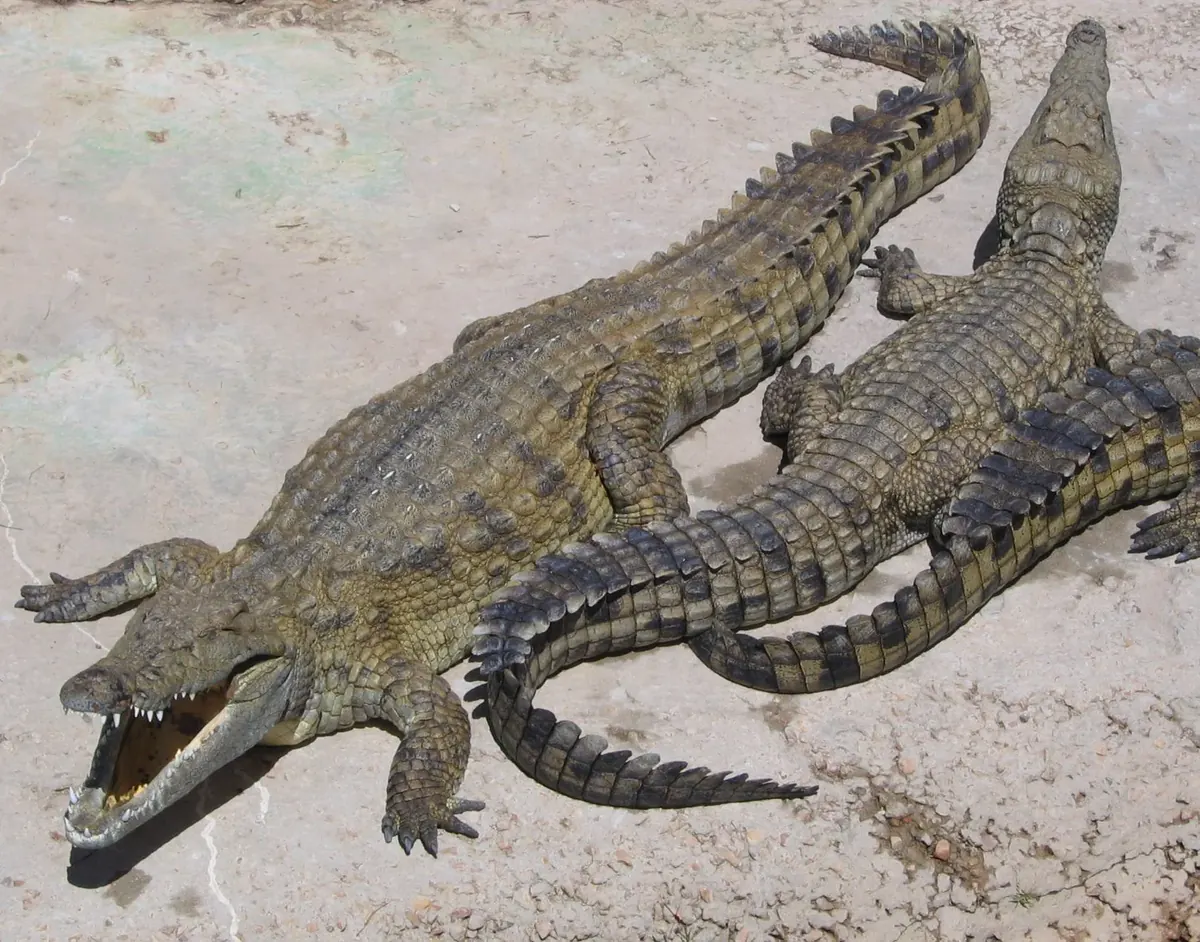
Crocodiles are ambush predators that wait motionless near water edges before explosive strikes.
About
How crocodile lives
Crocodiles are ambush predators that wait motionless near water edges before explosive strikes. Eyes, ears, and nostrils sit high on the head so a crocodile can watch and breathe while keeping most of its body submerged. Pressure-sensitive organs around a crocodile's jaws help detect movement in water. River species are shaped by changing water levels, flowing currents, and narrow migration paths.
Conservation
Status and habitat pressure
Some crocodile populations recovered after hunting controls, but wetlands still need protection from drainage, pollution, and conflict near human settlements. Conservation is strongest where breeding habitat and river systems remain intact.
Common species still depend on habitat quality, clean water, food webs, and low disturbance.
Quick Facts
Things to notice
- Pressure-sensitive organs around a crocodile's jaws help detect movement in water.
- Scales help reptiles reduce water loss and protect their bodies in harsh terrain.
- River species are shaped by changing water levels, flowing currents, and narrow migration paths.
- Stable populations still depend on habitat quality, food availability, and low human pressure.