Animal Generator · Est. 2024
Stable WatchMammal
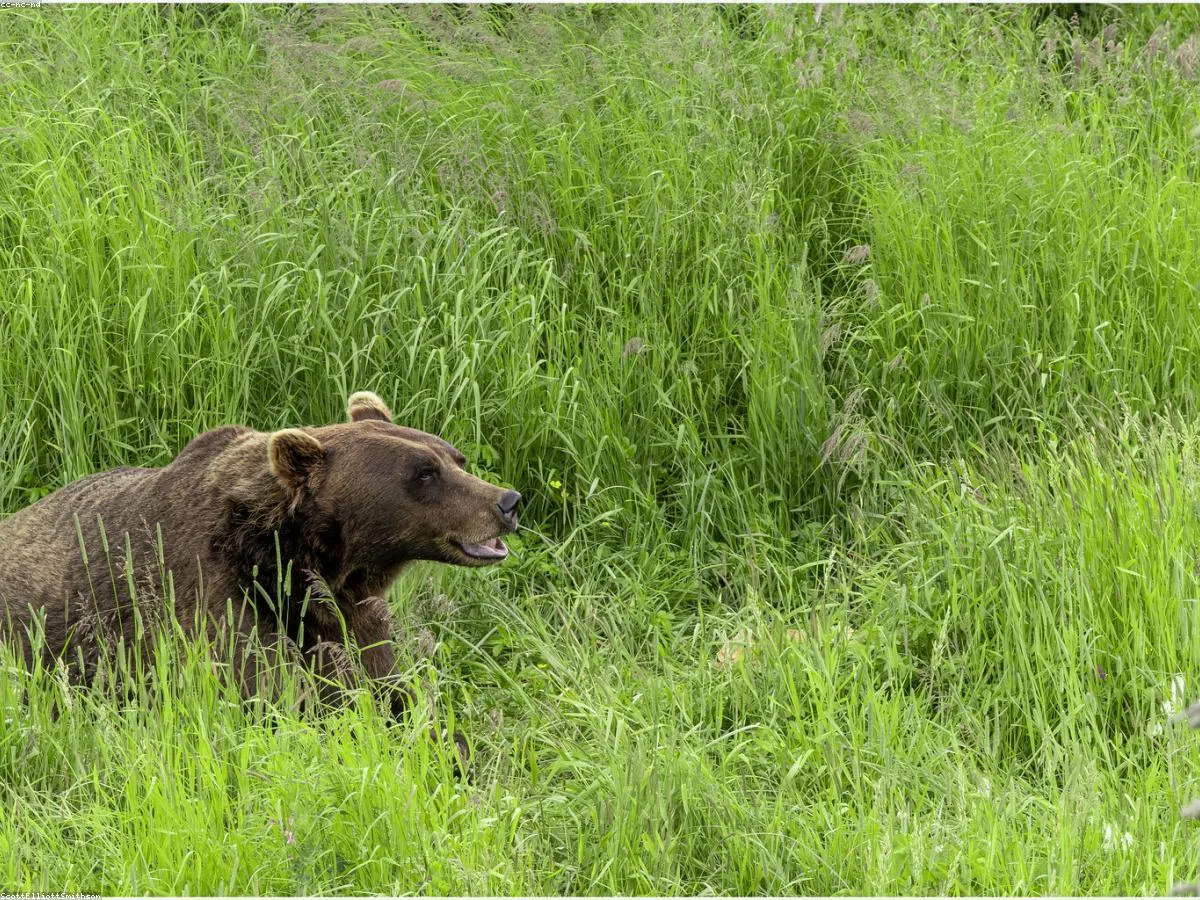
Brown Bear
棕熊
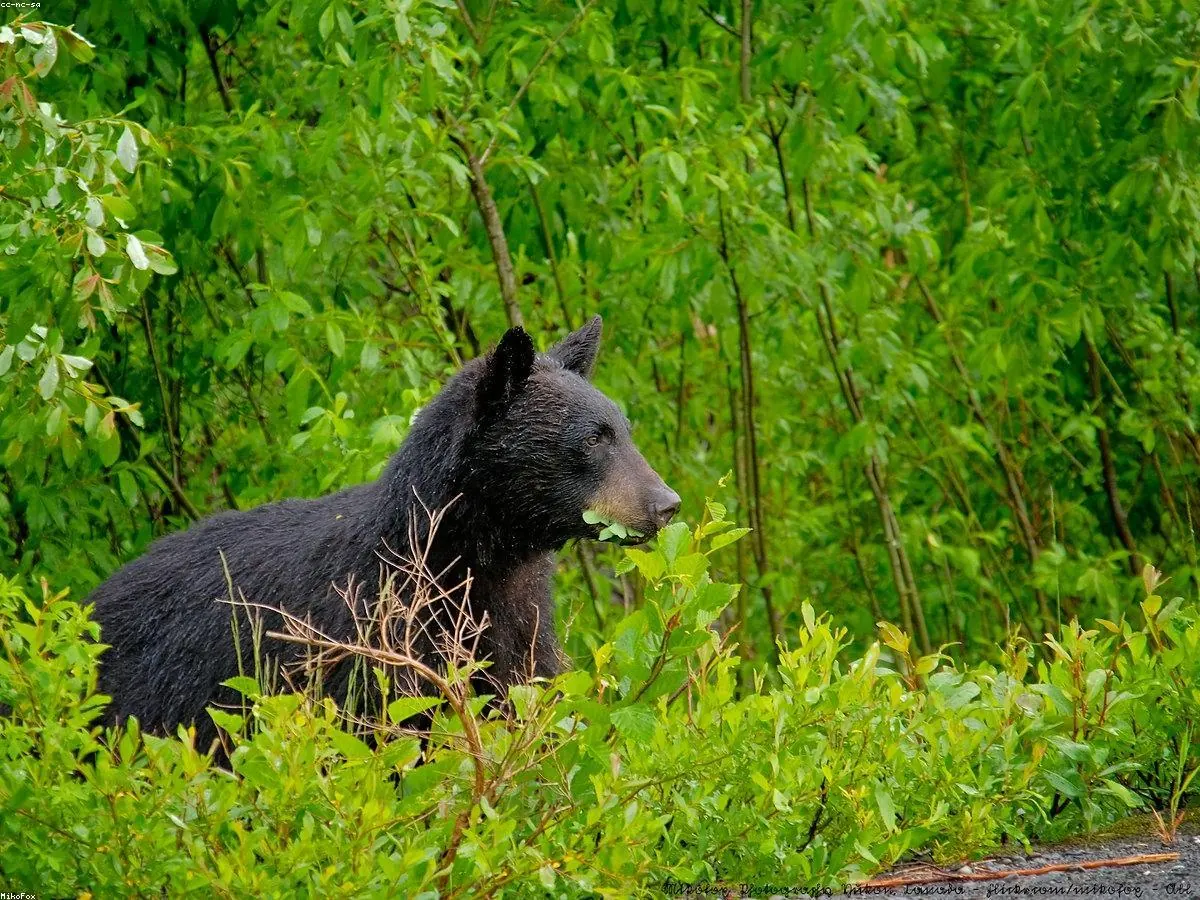
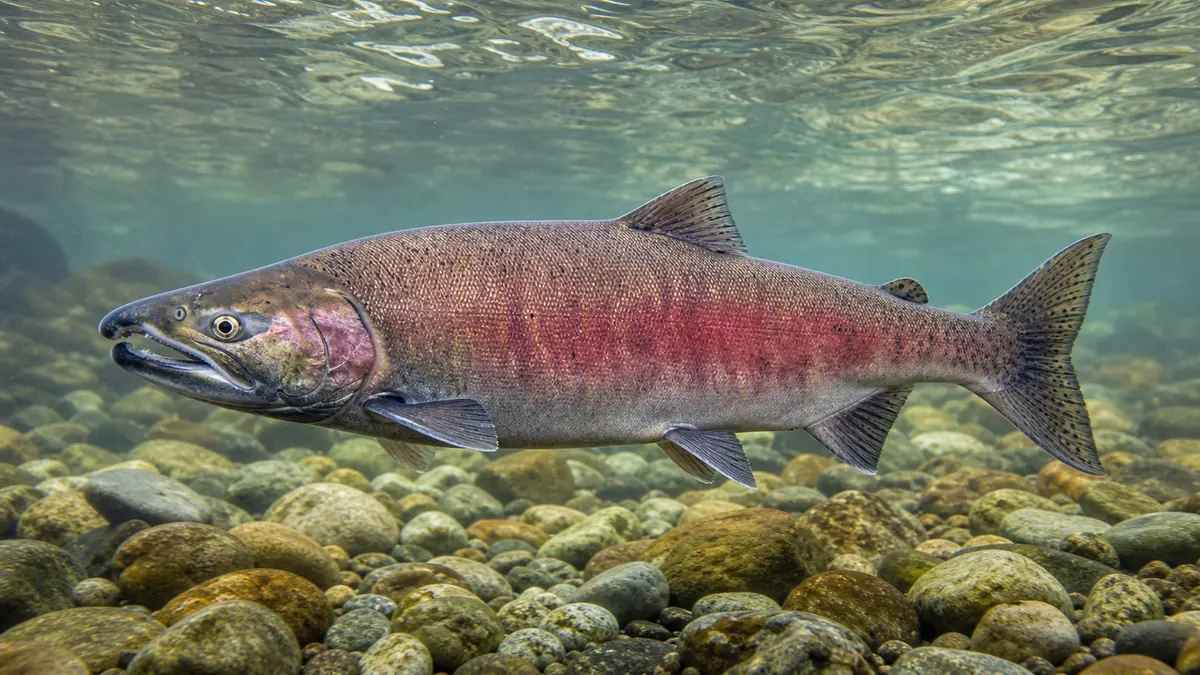
Brown bears are large omnivores that move between forests, salmon streams, meadows, and mountain slopes.
About
How brown bear lives
Brown bears are large omnivores that move between forests, salmon streams, meadows, and mountain slopes. In cold regions, a brown bear's winter heart rate can drop dramatically during denning. Forest habitats reward animals that can climb, hide, or move quietly through layered vegetation.
Conservation
Status and habitat pressure
Stable populations still depend on habitat quality, food availability, and low human pressure. Protecting brown bear also depends on keeping forest, mountains, rivers habitats healthy and connected.
Common species still depend on habitat quality, clean water, food webs, and low disturbance.
Quick Facts
Things to notice
- In cold regions, a brown bear's winter heart rate can drop dramatically during denning.
- Hair, fur, and milk production are hallmark mammal traits that separate them from other vertebrates.
- Forest habitats reward animals that can climb, hide, or move quietly through layered vegetation.
- Stable populations still depend on habitat quality, food availability, and low human pressure.