Animal Generator · Est. 2024
Stable WatchAmphibian
Newt
蝾螈
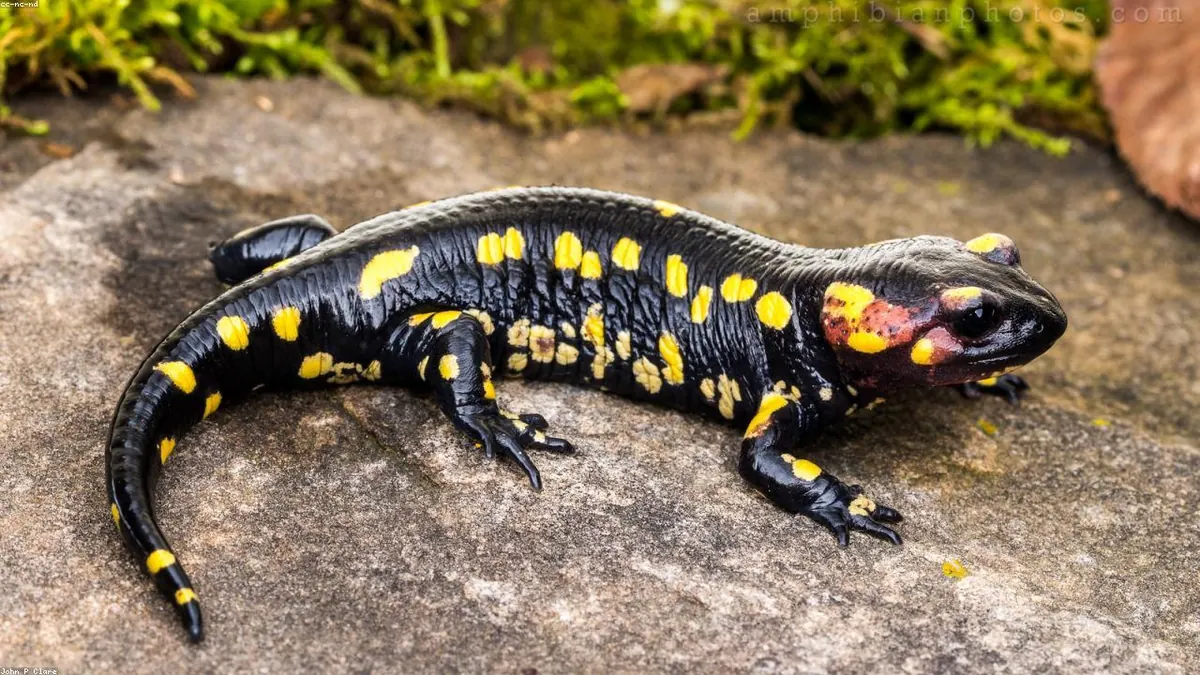
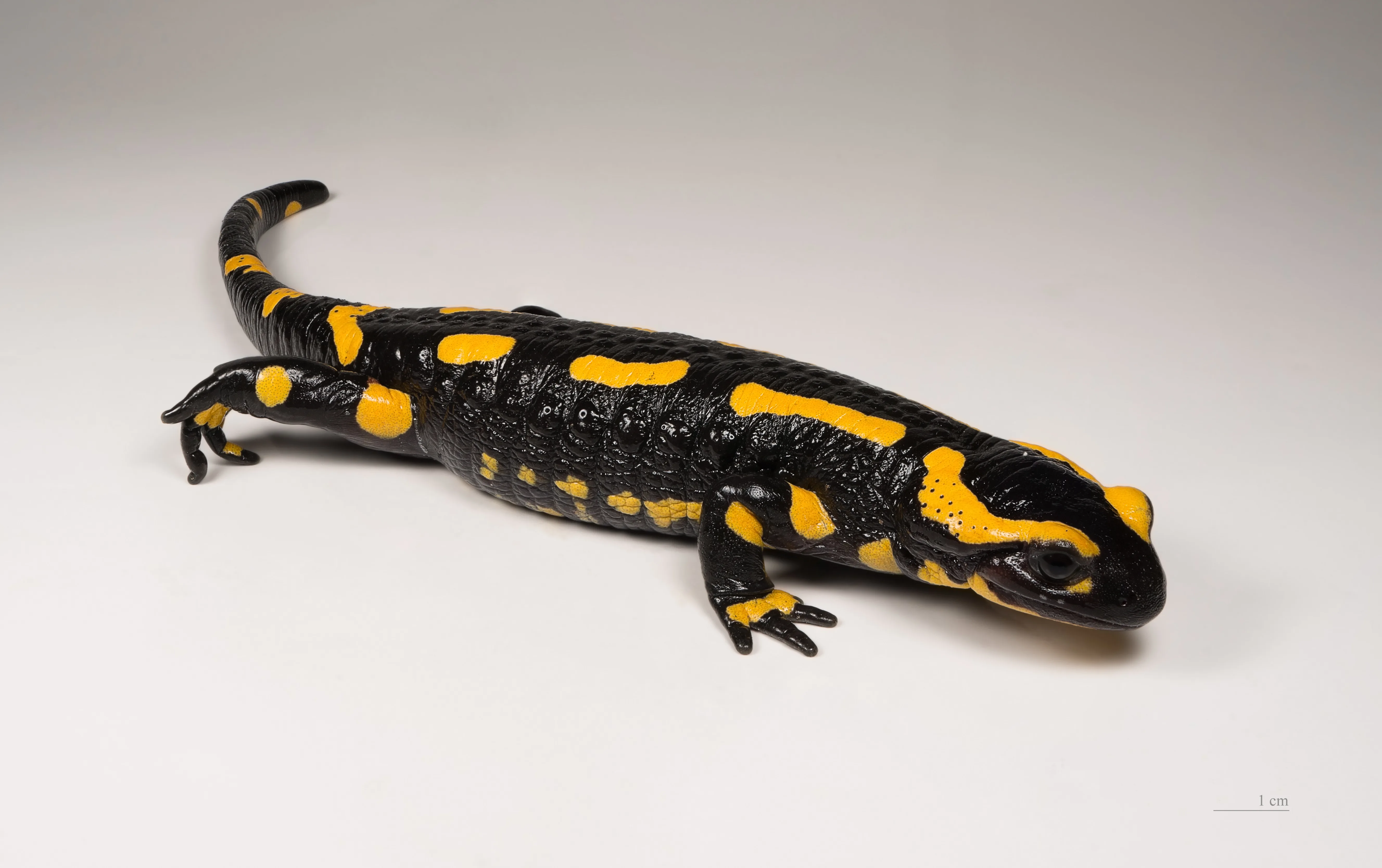
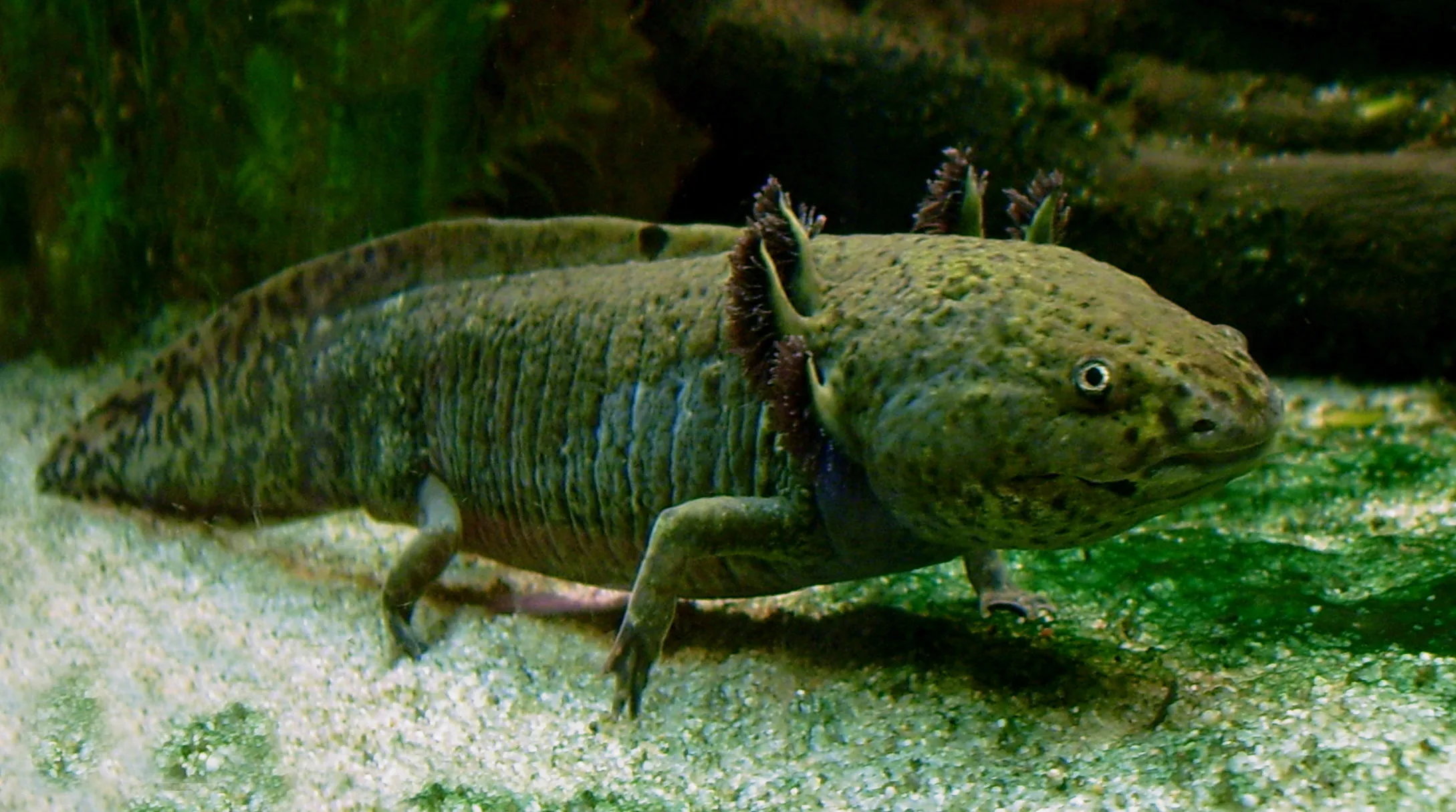
Newts move between ponds and damp land, feeding on tiny invertebrates through seasonal changes.
About
How newt lives
Newts move between ponds and damp land, feeding on tiny invertebrates through seasonal changes. Many newts can regenerate lost tails, limbs, and parts of eyes. Wetlands combine land and water resources, making them rich feeding zones for adaptable species.
Conservation
Status and habitat pressure
Stable populations still depend on habitat quality, food availability, and low human pressure. Protecting newt also depends on keeping wetland, forest habitats healthy and connected.
Common species still depend on habitat quality, clean water, food webs, and low disturbance.
Quick Facts
Things to notice
- Many newts can regenerate lost tails, limbs, and parts of eyes.
- Moist skin helps amphibians exchange gases, but also makes them vulnerable to pollution and habitat loss.
- Wetlands combine land and water resources, making them rich feeding zones for adaptable species.
- Stable populations still depend on habitat quality, food availability, and low human pressure.