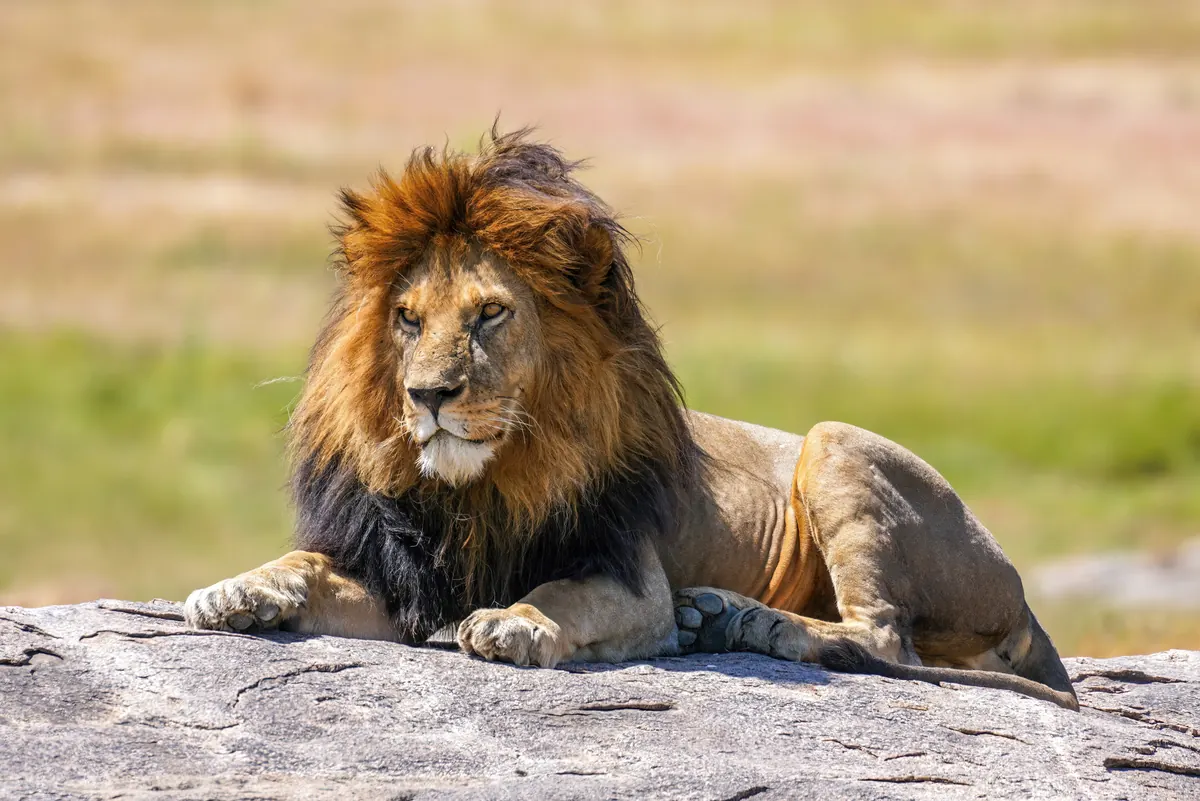
Lion: faster, social, and built for male-male combat.

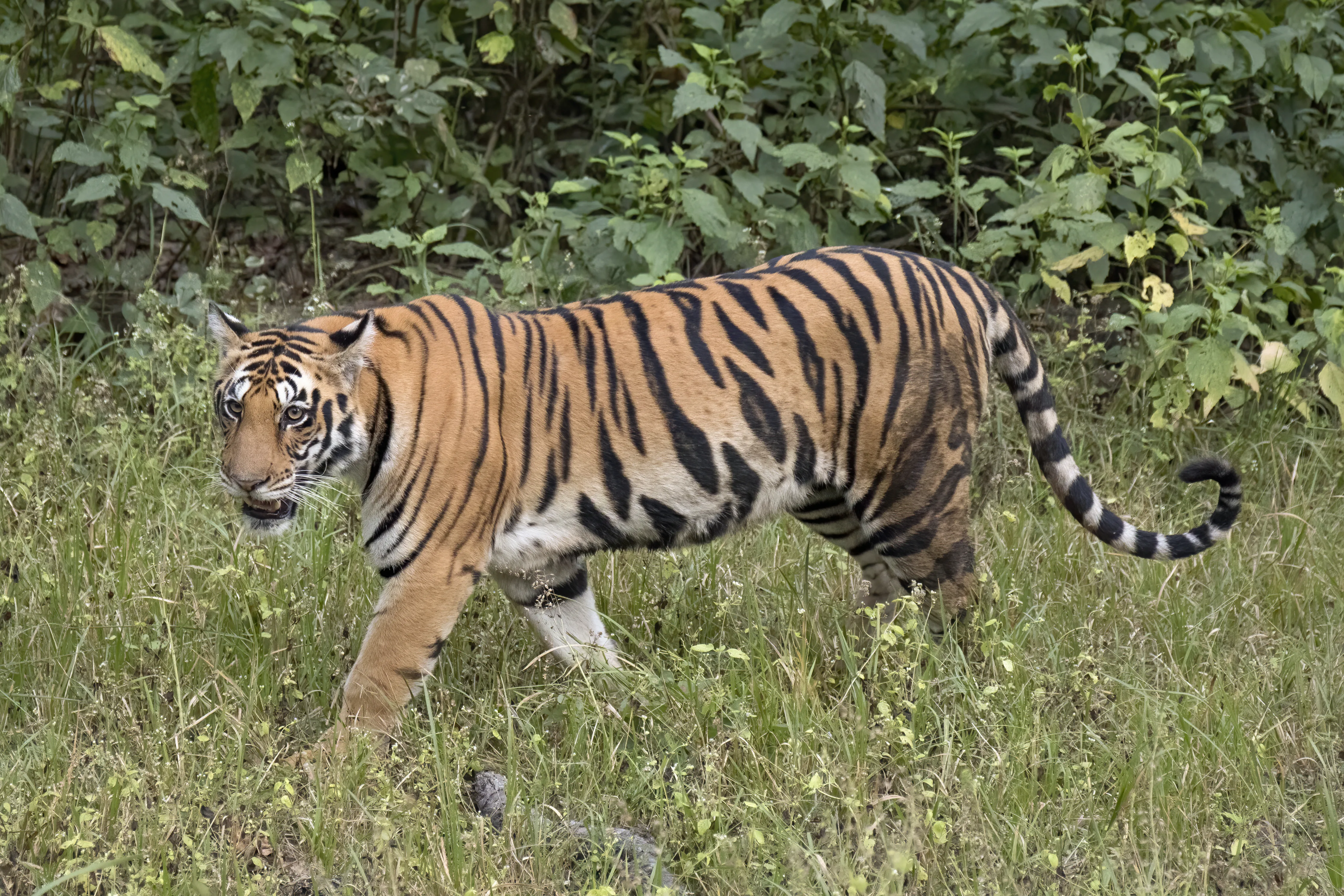
Tiger: larger, stronger swimmer, and built for solitary ambush.

Male lion for lion vs tiger comparison
Tiger for lion vs tiger comparison

Comparison Series

Lion vs Tiger: The Complete, Data-Driven Breakdown

The King of Beasts vs. the largest cat on Earth. Two apex predators, two different worlds, and one question with no easy answer.

Roman emperors staged the fights. Mughal emperors watched. The internet asks this question every month. Most articles give one definitive winner. They are oversimplifying.

Lion

Top speed
80 km/h
Bite force
650 psi
Pride size
Up to 30

Tiger

Max weight
300 kg
Front paw
~12 cm
Water
Active swimmer

The Numbers

Raw Data, No Opinions

If you only scan one table, scan this one. It is the clearest featured-snippet answer for lion vs tiger size, speed, strength, population, and conservation status.

TraitLionTigerAdvantage
Scientific namePanthera leoPanthera tigris
Maximum male weight250 kg300 kgTiger
Average male weight190 kg220 kgTiger
Maximum body length2.5 m3.0 mTiger
Shoulder height1.0-1.2 m0.9-1.1 mDraw
Top speed80 km/h65 km/hLion
Bite force650 psi600 psiLion
Front paw sizeAbout 10 cmAbout 12 cmTiger
Roar distanceUp to 8 kmAbout 3 kmLion
Swimming abilityCapable, not specializedExcellent active swimmerTiger
Social structurePride-livingSolitary
Hunting success~30% as a pride~20% aloneLion
Wild lifespan8-10 years for many males10-15 yearsTiger
Wild population~23,000~5,574
IUCN statusVulnerableEndangered

The table seems to favor the tiger on body size and the lion on speed and bite force. But it hides a major flaw: a 90 kg Sumatran tiger and a 300 kg Amur tiger are both called tigers. Real comparisons must name the subspecies.

Subspecies Matchups

Six Different Matchups, Six Different Answers

"Lion vs tiger" is not one question. It is at least six different questions, and each has a different likely answer.

Most common debate

Bengal Tiger vs African Lion

Average male weight200-260 kg180-220 kg
Maximum weight260 kg250 kg
Combat experienceSolitary; rare equal-size fightsFrequent male territory fights
HabitatIndian forests and grasslandsAfrican savanna and woodland

This is the matchup people usually mean by lion vs tiger. The Bengal tiger has a slight mass advantage, while the African lion has more practice fighting similar-sized male rivals. That makes the honest answer close to a toss-up.

Likely result: Draw

Largest living tiger

Amur Tiger vs African Lion

Average male weight180-300 kg180-220 kg
Maximum weight300 kg250 kg
Body lengthUp to 3.0 mUp to 2.5 m

A top-end Amur tiger creates the clearest tiger advantage. A 50 kg gap between two big cats is not cosmetic; it changes leverage, impact, and the ability to pin an opponent.

Likely result: Tiger

Smallest vs smallest

Sumatran Tiger vs Asiatic Lion

Average male weight90-140 kg160-190 kg
RangeSumatraGir Forest, India
BuildSmall island tigerCompact but heavier lion

This is the main matchup where the lion has a clear size advantage. The Sumatran tiger is a real tiger, but it is not comparable in mass to a mature male Asiatic lion.

Likely result: Lion

Historical arena comparison

Bengal Tiger vs Barbary Lion

Weight200-260 kgEstimated 200-270 kg
StatusLiving subspeciesExtinct in the wild
Historical roleCommonly imported from IndiaCommonly imported from North Africa

This is probably the closest historical version of the debate. The problem is that most records are incomplete, biased, or written for spectacle rather than biological precision.

Likely result: Mixed

Asian comparison

Indochinese Tiger vs Asiatic Lion

Average male weight130-190 kg160-190 kg
RangeSoutheast AsiaIndia
Conflict patternSolitary huntingMale coalition and pride defense

The weights overlap, but the Asiatic lion tends to be heavier and carries more direct male-on-male fighting pressure. That gives the lion a narrow advantage.

Likely result: Lion slight edge

Largest vs largest

Amur Tiger vs Barbary Lion

Maximum weight300 kgEstimated 270 kg
HabitatRussian Far EastNorth Africa
Historical contactNoneNone

This is a fantasy matchup between two animals that never met. If reduced to body size, the Amur tiger has the stronger case.

Likely result: Tiger

MatchupLikely resultDeciding factor
Bengal tiger vs African lionDrawSize vs combat experience
Amur tiger vs African lionTigerLarge body-weight gap
Sumatran tiger vs Asiatic lionLionLion is much heavier
Bengal tiger vs Barbary lionMixedHistorical records are inconsistent
Indochinese tiger vs Asiatic lionLion slight edgeSimilar weight, lion fight experience
Amur tiger vs Barbary lionTigerLargest tiger has the mass advantage

Fight Style

Two Completely Different Combat Systems

The lion and tiger did not evolve to fight each other. They evolved to solve different combat problems.

Lion: rival specialist

Male lions fight to take and hold pride control. Their opponent is usually another male lion of similar size. The mane protects the neck and throat, the exact target cats try to control. That does not make a lion invincible, but it gives the lion a real structural advantage in neck-to-neck combat.

Tiger: prey-subduing specialist

Tigers are solitary ambush hunters. They must pin and kill large prey without help. That favors huge forelimbs, precise neck bites, and explosive finishing power. The tradeoff is that tigers do not have a lion's mane or the same repeated male coalition combat experience.

DimensionLionTiger
Evolutionary opponentOther male lionsLarge prey such as deer, boar, and buffalo
Fight frequencyHigh for territorial malesLow against same-sized rivals
Neck protectionMane protects throat and neckNo mane protection
Forelimb powerStrongLarger paws and stronger pinning ability
Kill precisionGoodVery high; solitary ambush demands it
Combat experienceRich male-male contest historyMostly prey-subduing experience
Typical systemStanding strikes and neck attemptsPin, overpower, and precise kill bite

History

When They Actually Fought

We do not have to speculate entirely. Humans forced lions and tigers together for spectacle. The records exist, but they are incomplete, biased, and ethically impossible to repeat.

1st-4th century CE

Roman Arenas

Roman spectacle imported North African lions and Asian tigers into staged animal combats. The sources are dramatic and fragmentary, so they tell us more about elite entertainment than controlled zoology. Still, they prove the question is not an internet invention. Humans have been forcing this comparison for roughly two thousand years.

16th-17th century

Mughal Courts

Mughal rulers, including Akbar, kept exotic animals and recorded confrontations in courtly settings. Later summaries often say tigers were favored in many encounters. The problem is cultural bias: Mughal courts admired tigers, just as Roman audiences mythologized lions.

19th century

European Zoos and Menageries

European zoos, circuses, and menageries sometimes housed lions and tigers close enough for fights to occur. Accounts compiled by later writers often favor tigers, especially Bengal tigers. But the animals were captive, stressed, and frequently mismatched by size, sex, age, or condition.

Method limit

Why the Records Cannot Settle It

Every historical fight has the same weaknesses: captive setting, unclear subspecies, tiny sample size, biased observers, and no ethical possibility of repetition. The records slightly favor tigers, but they do not justify a definitive universal answer.

Method

Why Science Cannot Give One Definitive Answer

This is not a cop-out. There are real scientific reasons the question cannot be answered with certainty.

01

They do not naturally compete today

Modern lions mostly live in African savannas and woodlands, while tigers live in Asian forests, wetlands, and taiga. India has both Asiatic lions and Bengal tigers, but not in the same working habitat.

02

Individual variation can exceed subspecies differences

Age, nutrition, injury, temperament, and experience can matter more than the species label. A prime, healthy Bengal tiger is not the same animal as an old, underfed tiger.

03

Terrain changes the fight

Open ground rewards lion speed and face-to-face endurance. Dense cover rewards tiger ambush, pinning, and water confidence. A neutral arena is not a natural environment for either animal.

04

Motivation is asymmetrical

Wild predators avoid unnecessary injury. A torn shoulder or broken canine can mean starvation. Real apex predators do not fight for YouTube logic; they fight when risk and reward force them.

The Hybrid

The Liger: When a Lion and Tiger Actually Combine

The liger is not a myth. It is a real captive hybrid, and it reveals how different lion and tiger growth genetics have become.

418 kg

Largest recorded liger

A male lion x female tiger hybrid can develop gigantism because growth-related genomic imprinting does not line up cleanly between the two species. This is not conservation. It is captive breeding that produces animals with serious welfare concerns.

TraitLigerContext
ParentsMale lion x female tigerReverse hybrid is a tigon
Maximum recorded weight418 kgHercules, captive male liger
Average weight270-320 kgUsually heavier than either parent
Body length3.5 m+Longer than living lions or tigers
AppearanceLion-like size with faint tiger stripesOften has a reduced mane
SwimmingOften inherits tiger-like water toleranceCaptive behavior varies
Wild existenceNoneLion and tiger ranges do not naturally overlap
Conservation valueNoneCaptive hybrid, not a rewilding animal
TraitLigerTigon
ParentsMale lion x female tigerMale tiger x female lion
Typical sizeGigantism: 270-418 kgOften 100-150 kg
Growth geneticsGrowth suppression failsGrowth promotion is reduced
FrequencyRare but more famousRarer
Conservation valueNoneNone

The Verdict

The Most Honest Answer We Can Give

You have seen the data. Here is what it actually means.

QuestionWinnerWhy
Which animal is bigger?TigerThe Amur tiger is the largest living cat, reaching about 300 kg.
Which animal is faster?LionLions are usually cited near 80 km/h; tigers near 65 km/h.
Who wins one-on-one?DependsAmur tiger beats most lions; Bengal tiger vs African lion is close; Asiatic lion beats Sumatran tiger.
Which is more endangered?TigerAbout 5,574 wild tigers versus roughly 23,000 wild lions.
Which is more social?LionLions are the only truly social big cats.
Which is the better swimmer?TigerTigers actively swim and hunt around water more often.

The lion built an empire through cooperation. The tiger mastered the art of solitude.

One rules the open savanna. One owns the deep forest. They never needed to compete because they never shared the same world. The real question is whether we will still have both of them in fifty years.

Now It's Your Turn

Generate, Hybridize, or Keep Comparing

Generate: Lion or Tiger?

Let the random animal generator decide. Bengal? Amur? African? Every click tells a different big-cat story.

Generate Now →

Build Your Own Liger

The real liger can reach 418 kg. What would your hybrid look like? Lion x tiger is just the beginning.

Try Hybrid Generator →

FAQ

Lion vs Tiger Questions

Who would win in a fight, a lion or a tiger?+

It depends on the subspecies. An Amur tiger has a major size advantage over any living lion. A Bengal tiger vs an African lion is close to a toss-up: the tiger has a size edge, while the lion has more experience fighting similar male rivals. Historical records slightly favor tigers, but the evidence is too weak for certainty.

Is a tiger bigger than a lion?+

Yes. Tigers are the largest living cats. The Amur tiger can reach about 300 kg and 3.0 m in body length, while the largest lions are usually around 250 kg and 2.5 m. However, the smallest living tiger, the Sumatran tiger, is smaller than an adult male lion.

Are lions faster than tigers?+

Yes. Lions can reach about 80 km/h in short bursts, while tigers are usually cited around 65 km/h. Both are burst predators, not endurance runners.

Have lions and tigers ever fought in history?+

Yes. Roman arenas, Mughal courts, and later menageries recorded forced lion vs tiger encounters. These records slightly favor tigers, but all involve captive animals, uncertain subspecies, biased observers, and tiny sample sizes.

What is a liger?+

A liger is the offspring of a male lion and a female tiger. Because of mismatched genomic imprinting, ligers can grow larger than either parent. The largest recorded liger, Hercules, weighed 418 kg. Ligers do not exist in the wild and have no conservation value.

What is a tigon?+

A tigon is the offspring of a male tiger and a female lion. Unlike ligers, tigons are often smaller than both parents because the growth-related imprinting works in the opposite direction.

Do lions and tigers live in the same place?+

Almost never. Modern lions live mainly in sub-Saharan Africa, with a small Asiatic lion population in India's Gir Forest. Tigers live across parts of Asia. India has both species, but in different regions and habitats, with no natural contact.

Which is more endangered, lion or tiger?+

Tigers are more endangered. Tigers are listed as Endangered with roughly 5,574 wild individuals, while lions are listed as Vulnerable with roughly 23,000 wild individuals. Several tiger subspecies are already extinct.

Which big cat has the strongest bite, lion or tiger?+

Common estimates give lions a slightly stronger bite, around 650 psi versus about 600 psi for tigers. Both are far below jaguars, which have the strongest big-cat bite relative to body size.

Can a tiger swim better than a lion?+

Yes. Tigers are exceptional swimmers and often enter water to cool down, cross rivers, or hunt. Lions can swim but usually avoid water when they can.

What is the largest cat that ever lived?+

Among living wild species, the Amur tiger is the largest. Among captive animals, the liger holds the record at 418 kg. Prehistoric cats such as the American lion and cave lion were also larger than most modern lions and tigers.

Why do people keep asking lion vs tiger?+

The question compresses two survival philosophies into one image: the lion's cooperation and the tiger's solitary power. People ask it because it is not only about a fight. It is about whether strength is greater together or alone.